As Abortion Bans Erode Trust in Therapists, a Directory Helps Women Get Support
A new vetted directory of pro-choice therapists is available to help women in red states find a safe space to talk.


February 27, 2025
By Courtney Wise

Greetings, MindSite News Readers. In today’s Daily, Trump’s cuts within the Department of Housing and Urban Development spark concerns about housing insecurity for children. Despite a relentless series of troubling updates from the White House, resistance is happening. Plus, experts offer up better ways to argue.
On that note, I submit that plenty of household arguments can be avoided if the workload is split relatively evenly between partners, and a 50-year experiment in Ethiopia suggests this to be true.
Also in this edition: Dr. Barbara Greenberg on why couples stop having sex. Getting healthcare to immigrants in Trump’s America. The House of Representatives voted to cut $880 billion from Medicaid, which insures one in five Americans. And why women in many red states are afraid to talk with their therapists about abortion.
Abortion Bans Erode Trust Between Mental Health Providers and Their Clients

In this story by Gina Jiménez for Public Health Watch, which MindSite News republished today, some women in Texas tell her they are afraid to talk about abortion with their therapist for the fear of mandated reporting.
Now, a new nationwide directory, Pro-Choice Therapists, of vetted, pro-choice mental health providers, is helping women find a safe space to talk about abortion. The directory includes more than 300 providers across the United States, including 31 who are licensed to work in Texas.
“To have to hide a medical procedure from your state, that is so terrifying,” said Dr. Ashley Sweet, a licensed psychotherapist who launched the directory in 2023. “That, in and of itself, can be traumatizing and worthy of talking about with a therapist.”
10 reasons couples stop having sex – and what you can do about it.
Although psychologist Barbara Greenberg wrote this column several years ago, it is as relevant as ever – perhaps even more so since there may be a new reason: Exhaustion from obsessively tracking a White House that seems increasingly untethered from reality. But we digress. As Dr. Greenberg explains, “Talking about intimacy and sex is tricky and painful for many couples. Couples may stop having sex due to a lack of trust after an affair, exhaustion, boredom, and conflicting parenting styles, among other reasons.” Other key problems: anger or becoming business partners only. Understanding why your sex life has stopped is the first step toward improving it, Greenberg says, so try using this list as a springboard to discussion.
— MindSite News editors
In a 600-person village in Ethiopia, gender equality is the law
That applies inside and outside of the home – jobs including farming, weaving, caregiving, and housekeeping are generally divided equally between the sexes. In another era, “my mother would have to work even after my father finished: cooking, collecting firewood, washing his feet,” said Zumra Nuru, the founder of the Ethiopian village of Awra Amba. Now 76, he told Reasons To Be Cheerful, “Sometimes he would beat her if she didn’t finish the tasks. Why didn’t he help?”
Noticing that his father’s behavior was the norm, Nuru left his home village, seeking like-minded people willing to try a new way of life, founding Awra Amba in 1972. “Doing a ‘women’s job’ does not change my maleness – it changes my ignorance,” goes one community mantra. “We don’t know about life after death but we can create paradise on earth,” said Worksew Mohammed, a 25-year-old married resident. “Human beings are our greatest wealth.”
Massive HUD staff cuts will increase homelessness across the nation, homeless advocates say
The Office of Community Planning and Development, part of HUD, is slated to lose most of its staff – 84%, according to a document obtained by NPR. As the federal office funds affordable housing, disaster recovery, and other programs to combat homelessness, advocates say the deep cut is likely to make the nation’s homelessness problem worse. “That proposed cut is massive. And the potential for adverse impact at the community level and at the national level is also massive,” said former HUD employee Ann Oliva, now CEO at the National Alliance to End Homelessness.
The office distributes more than $3.6 billion across the nation towards rental assistance, mental health and substance use treatment, and other outreach towards getting people into shelter or permanent homes. Olivia described the OCPD as the “backbone” of local communities’ response to homelessness, “in blue states and red states alike.” Such big cuts to staff extend far beyond Washington D.C., she said, chipping away at local offices, and in turn severely delaying necessary funding to community nonprofits.
Housing insecurity poses concerns beyond the tangible – a recent study found that children stressed about eviction or loss of housing are at greater risk of depression, anxiety, and poor academic performance. “When parents are worried about how they’re going to pay their basic bills — the rent, mortgage, utilities — or if they’ve actually become evicted, kids are directly impacted by this stress and instability,” said Mike Hoenick, program director at Family Promise of Brevard, a nonprofit helping to mitigate homelessness in central Florida. As Health News Florida report, more and more families are turning to organizations like his for support.
Hoenick has seen that strong, early intervention can make a real difference “We have a 97% success rate of families exiting our programming into stable housing. We are doing our best to impact families and children directly by providing financial assistance and case management services, so families can stabilize and children can have positive mental health impacts and positive school impacts,” he said.
Fighting back: As the only national publication solely dedicated to mental health reporting, our daily newsletter has a responsibility to keep you informed of policy changes that affect mental and emotional well-being. Of late, it’s led with coverage of a deluge of Trump Administration orders throwing many Americans into a state of fear and mental disarray.
Despite the overwhelm, there are people and organizations across the nation organizing to fight back against the multi-pronged attack on immigrants, women, racial equity initiatives, federal workers, the climate, trans people and more. Last week Yes! Magazine offered a reminder of what some of that resistance looks like.
In other news…

The nonprofit media site TradeOffs reports that healthcare workers treating people without documents say Trump’s immigration policy is threatening their patients’ health by “reversing a long-standing policy that kept federal immigration agents out of medical facilities…This flurry of activity has stoked fear among the estimated 11 million undocumented immigrants in the U.S., as well as their families, friends and neighbors who are in the country legally.” Some clinics have already reported an jump in no-shows and cancellations, although the cause is uncertain, while other clinics are offering telehealth visits and sending medicine via home delivery to minimize the need for in-person visits.
As if there wasn’t enough bad news already, the House of Representatives just voted to slash Medicaid by $880 billion. The Republican House resolution could eliminate coverage for 15.9 million people, including many low-income families, pregnant women, seniors and people with disabilities, warns the Center for American Progress.
To take a look at just one affected group: “When community-based services are cut, people with disabilities languish on waiting lists without access to supports that enable them to carry out activities of daily living, live independently, get to and from work, and more,” said the American Network of Community Options and Resources (ANCOR) in a written statement. “More than 511,000 people languish on states’ waiting lists for services today—a number that will only increase should services be cut—ultimately putting community support out of reach for even more individuals and their families.”
How to tell your partner they’re hurting you, without fostering resentment: Even when you’re happy with the one you’re with, telling them you wish they’d do some things differently is hard. The best strategy for disclosure is direct but kind honesty, delivered at the right time, clinical psychologist Joshua Coleman told the Washington Post. Whether or not an issue should be voiced depends on how serious it is to you. Renowned martial researcher John Gottman found that as many as 69% of conflicts can go unresolved in relationships where both partners are happy. Knowing that, the cliche “pick your battles,” really resonates – the focus should be on the issues of greatest concern, including sexual desire, parenting, finances, household chores and time apart.
Overwhelmed by debt? Help is available: Last week’s newsletter featured an item about the growing issue of problem gambling and its devastating impact on one family’s finances. Mass firings at the federal level are sure to cause a slump in some households. Need we mention the massive levels of credit card and student loan debt we all know Americans hold? Debt is a thing, and for some people, it’s a serious concern affecting their mental health. He’s now 74, but when John Glover was in his 30s, he considered death to help his family climb out of the hole.
“There was just no money,” he told the New York Times. “It was a dark time. I didn’t see a way out.” Thankfully, Glover survived that moment and found his way to help. For him, it began with Debtors Anonymous. But letting somebody in, even for a moment, can make a difference, said Michele Singletary, personal finance expert and author of What to Do With Your Money When Crisis Hits: A Survival Guide.
“When you’re in the hole, it’s just you and the walls,” Singletary said. “And it’s the same thing with financial crisis: It’s just you and the debt and the loss of the job or the loss of your investments. That’s all that you’re seeing in that hole, because you’re in there by yourself.” Reaching out for help can change your point of view. “If you’ve got someone else in there, maybe they can put their hands down and you can step into their hands and get out of the hole, or you can reach up and find someone,” She said. “Don’t try to go it alone.”
If you or someone you know is in crisis or experiencing suicidal thoughts, call or text 988 to reach the 988 Suicide & Crisis Lifeline and connect in English or Spanish. If you’re a veteran press 1. If you’re deaf or hard of hearing dial 711, then 988. Services are free and available 24/7.
Recent MindSite News Stories
Nowhere to Turn: Abortion Bans Erode Trust Between Mental Health Providers and Their Clients
In state that have passed laws banning abortions, women who have used medication or traveled to other states to end a pregnancy are often afraid to talk with a therapist out of fear that the therapist might report them.
‘What if one day you leave and don’t come back?’
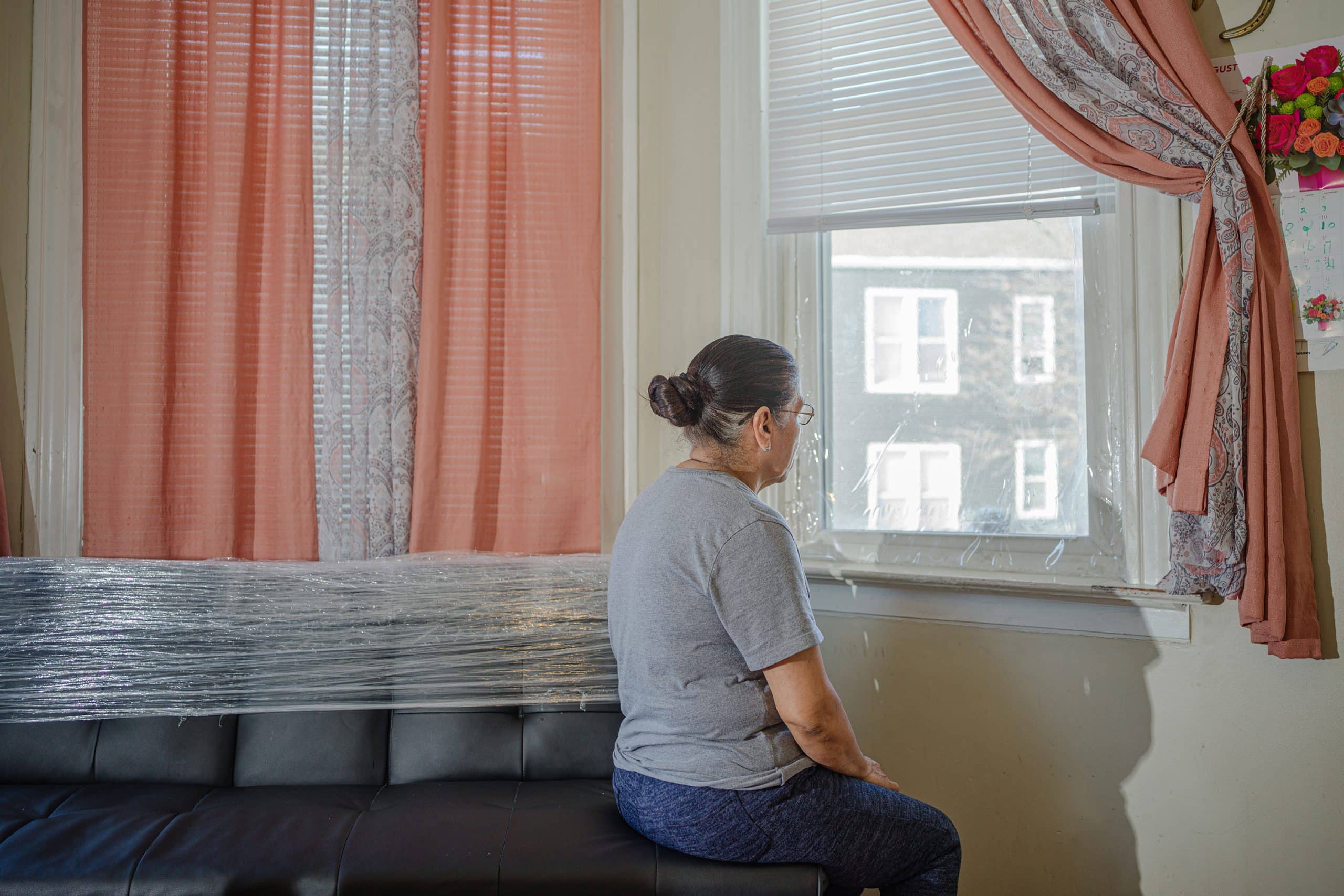
Guadalupe Ortíz was diagnosed with anxiety at 10. Since Donald Trump’s inauguration and recent ICE raids, she has refused to attend school – and she is not alone. Absenteeism has surged in Chicago Public Schools.
Photoshopped Images, Scientific Fraud Derail Quest for Alzheimer’s Treatments
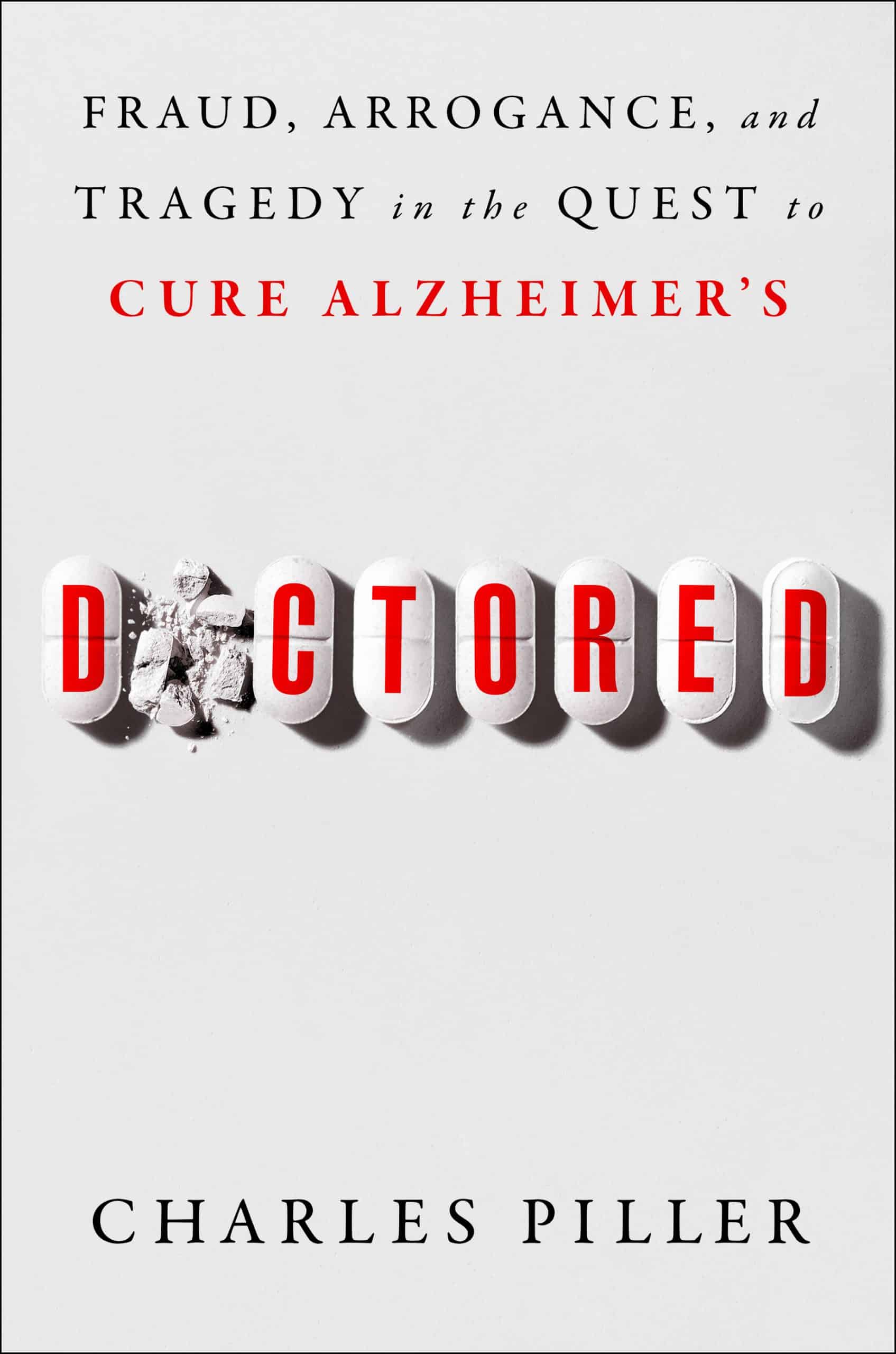
A reporter uncovers evidence that research fraud on a massive scale has hyped the potential benefit of expensive drugs aimed at slowing or reversing the mental decline of patients with Alzheimer’s disease.
If you’re not subscribed to MindSite News Daily, click here to sign up.
Support our mission to report on the workings and failings of the
mental health system in America and create a sense of national urgency to transform it.
For more frequent updates, follow us on Facebook, Twitter and Instagram:

The name “MindSite News” is used with the express permission of Mindsight Institute, an educational organization offering online learning and in-person workshops in the field of mental health and wellbeing. MindSite News and Mindsight Institute are separate, unaffiliated entities that are aligned in making science accessible and promoting mental health globally.
Copyright © 2021 MindSite News, All rights reserved.
You are receiving this email because you signed up at our website. Thank you for reading MindSite News.
mindsitenews.org

The name “MindSite News” is used with the express permission of Mindsight Institute, an educational organization offering online learning and in-person workshops in the field of mental health and wellbeing. MindSite News and Mindsight Institute are separate, unaffiliated entities that are aligned in making science accessible and promoting mental health globally.


Author

Related Articles
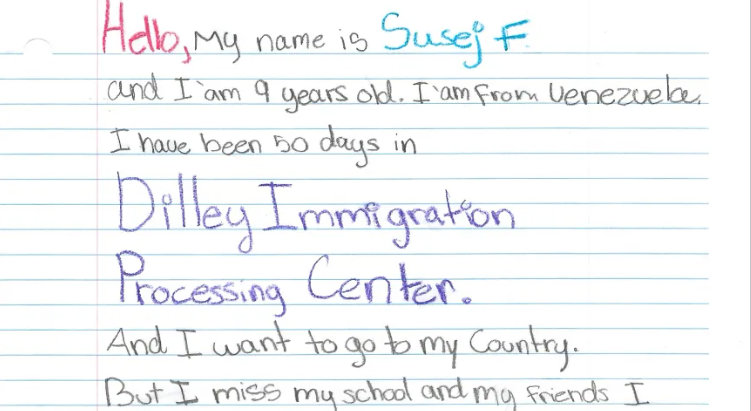
Health Organizations Condemn Traumatic ICE Raids, Family Separation
According to letters from children living in an ICE detention facility, living conditions are inhumane and their mental health is suffering.

In Teens, Social Anxiety Often Looks Like Anger
A study finds that some teens’ aggressive behavior may be due to social anxiety, not straightforward reactivity.
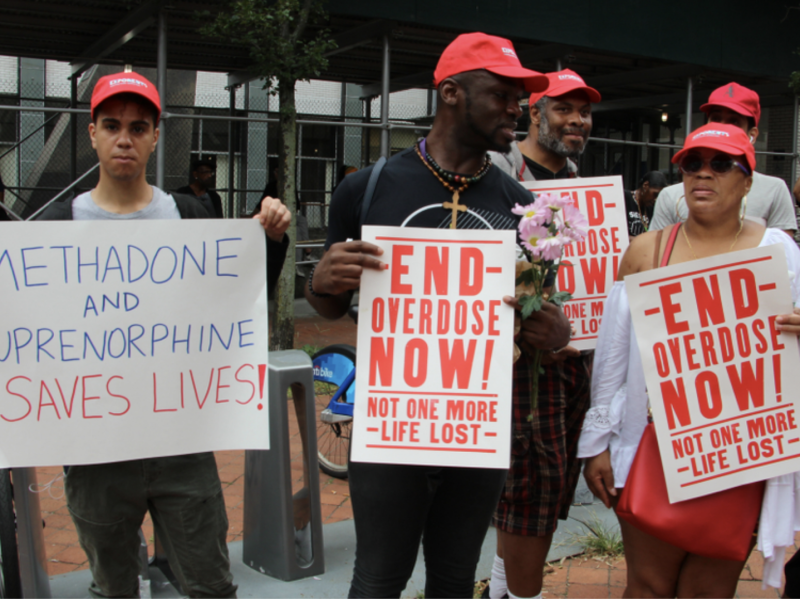
Expert Calls for Harm Reduction, Not Punishment, to Resolve Our Overdose Crisis
As the Trump administration pulls funding from harm reduction, an expert on the overdose crisis says it’s the best way to save lives.
