
‘You’re going to see more people on the street’: Report finds Trump actions could devastate California
As California grapples with mental illness, addiction and homelessness, the Steinberg Institute issued a dire warning: Massive cuts from the Trump administration and Congress threaten to dismantle efforts to help the state’s most vulnerable.

Cuts and chaos will worsen the state’s mental health and homeless crises, new analysis finds
As California continues to grapple with a massive crisis of mental illness, addiction and homelessness playing out visibly on its streets, a mental health policy group has issued a dire warning: Massive budget cuts and firings being implemented or proposed by the Trump administration and Congress threaten to cripple the state’s Medicaid program and dismantle efforts to help the state’s most vulnerable people.
A policy brief released today by the Steinberg Institute, a California nonprofit group that advocates for improving behavioral health services in the state, looks at how freezes on federal funding and “devastating budget cuts” advocated by Trump and Republicans in Congress would impact Medicaid and other programs that support mental health and substance abuse services.
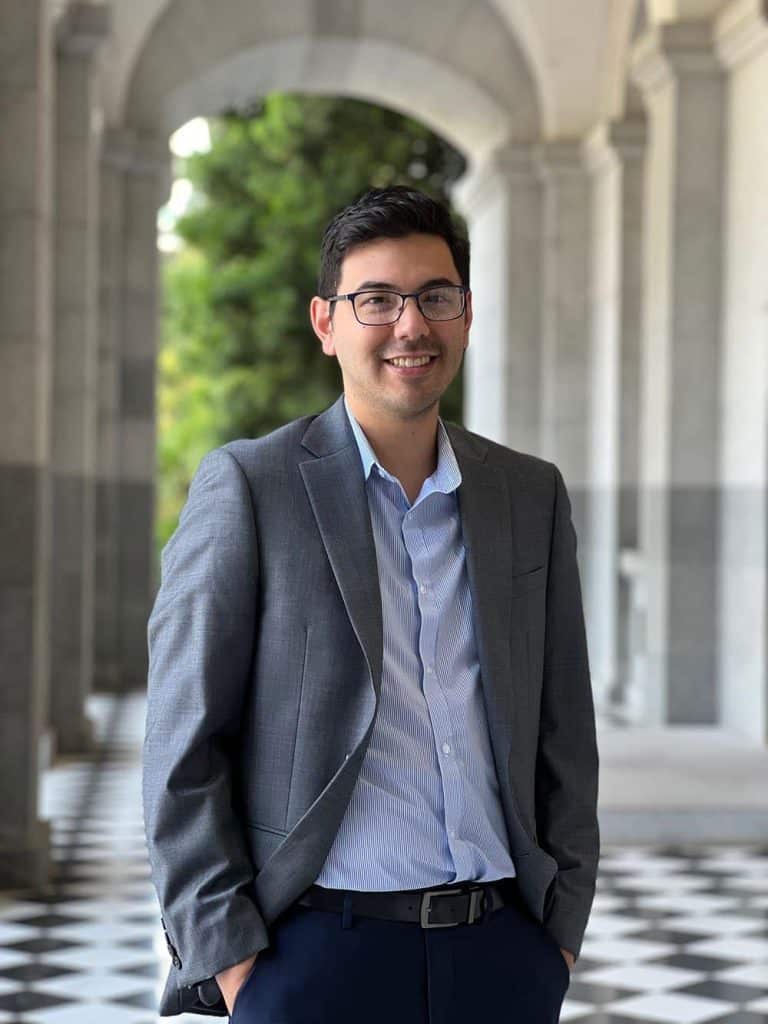
So far, these efforts have not kept pace with the crisis of homelessness and mental illness – and now, says Corey Hashida, a senior research associate at the Steinberg Institute, the Trump budget cuts are poised to make that crisis even worse. Hashida, the lead author of the new policy paper, discussed the impacts in a MindSite News Interview. It has been edited for length and clarity.
About 40% of Californians – roughly 15 million people – get their health care through Medi-Cal, California’s version of Medicaid, the health insurance program for low-income people paid for by the federal and state governments. That percentage is even higher in the state’s rural counties that delivered the largest number of votes to Donald Trump in the 2024 election.
For the last three years, California – with federal support – has been implementing an ambitious program within Medi-Cal known as CalAIM that seeks to integrate health and social services, including housing and healthcare, for people with the most complex health care needs, especially those who struggle with homelessness and serious mental illness.
Rob Waters: We all know that California has been experiencing a mental health crisis and a crisis of homelessness. How has that played out?
Corey Hashida: Rates of mental illness and prevalence have skyrocketed since the pandemic. At the same time, California is dealing with the largest homelessness crisis in the country. We have thousands of people on the street, many of whom struggle with serious mental illness and are in dire need of support. California and the federal government have partnered on providing baseline services and some key new initiatives to try to reach these folks.
One is CalAIM, an initiative in the Medi-Cal program to target the 1% of the Medi-Cal population with the highest needs. These are the people we see every day on our streets that are struggling with severe mental illness and substance abuse, that are struggling with housing insecurity and are showing up disproportionately in our ERs and hospital beds.
CalAIM tries to get at those folks by providing some key services. It’s a first-in-the-nation effort to provide something like housing benefits for people that are housing insecure. It’s the first in the nation to provide reimbursement for sobering centers for people that are struggling with substance abuse. It’s this big comprehensive effort to try to target the people in the Medi-Cal program that are the highest need and account for the highest share of services received. They’re the ones that struggle the most.
BH Connect is a sub-initiative of CalAIM specifically targeted at behavioral health issues. It’s a big initiative to shore up the county safety net system for behavioral health services by providing reimbursement for models of care that counties have traditionally struggled to obtain reimbursement for.
One of the key models for providing care to somebody with severe mental illness, who’s homeless, justice-involved, showing up in hospitals, that sort of thing is called assertive community treatment. It is a key component of full service partnerships (programs that provide intensive services for people with severe mental illness). Counties historically have had to use their own funding to support those programs. BH Connect opens the door for federal reimbursement. If counties can tap into federal dollars to fund ACT programs, we’d be able to help more folks.
The state’s budget for Medi-Cal is $161 billion and the federal government covers more than half of that. The budget framework passed by the House of Representatives calls for $880 billion in cuts. It’s clear that budget cuts that massive could not possibly spare Medicaid. So what would that mean for California?

To put it simply, it would be devastating to California. These big initiatives that we’re trying to roll out, they target the people that are in most need of help and the people that are on the streets. If these cuts were to be enacted and we saw massive reductions in Medicaid spending in our state, it’s not an exaggeration to say that Californians would be gearing up to see more people on the street, more people struggling with substance abuse, more people showing up in the hospitals and emergency departments across the state. The rug is going to be pulled out from under folks. People are going to be harmed. You’re going to see more people on the street.
How would budget cuts and policy changes affect some of the other new initiatives you described?
Even before CalAIM, federal partnership with California was key to rolling out the baseline services in Medi-Cal. The newer initiatives are demonstration initiatives – things that states come up with and go to the federal government and request permission to do in their Medicaid programs. Up until this point, the federal government has been a very willing partner in trying to help us roll out these big things by providing us technical assistance and approval.
For example, CalAIM includes a “justice-involved initiative” and the biggest component of that is creating in-reach services in jails and prisons. Folks that are within 90 days of release, who are in great need of support, are going to be able to tap into services – including behavioral health services – during that time in which they’re gearing up to be released. It also includes a component focused on enrolling folks in the Medi-Cal program and facilitating warm handoffs to county providers or community based providers when they are released.
We’re really excited about this because every person that’s in need of behavioral health services that’s currently locked up, this is a huge opportunity for them to access the key services they need when they get out. If you’re a person struggling with mental illness or substance abuse and you end up in jail or prison, it’s really easy for you to fall through the cracks because historically our systems of incarceration have not done a very good job of coordinating with our state and county health and behavioral health systems.
We know that at SAMHSA – the federal substance abuse and mental health agency – roughly 10% of the staff including at least four regional directors across the country have been fired.
Yes, but the SAMHSA thing is bigger than just the folks that have been fired. It’s also the explicit intention of this administration to halt funding that has been flowing to states for decades, including behavioral health funding administered by SAMHSA. The federal spending freeze order combined with the layoff of federal workers sends a signal that this agency that has historically been a key partner in providing support to California for behavioral health services might not be as reliable going forward. And that’s where the fear comes in.
Your brief estimates that SAMHSA provided $750 million in block grant funds to California in fiscal year 2023. What would cuts to that number mean?
Historically, counties have used SAMHSA grant funding to pay for services and programs that they can’t get reimbursed under Medi-Cal – historically that’s been housing supports, operating subsidies for board and care facilities that house people that are experiencing homelessness. A cut to SAMHSA funding would impact people who disproportionately are experiencing homelessness. If SAMHSA grant dollars are cut, I think Californians could expect to see more folks on the street because they wouldn’t be able to access the housing supports that counties are providing.
Are you aware of any contract agencies that have been impacted so far – like they’ve literally had funding cut off or paused and had to furlough people or halt operations?
The injunction that’s in place prevented the spending freeze from being implemented. So right now I think folks are receiving the funding that they need. But the fear and uncertainty and what could come in the future is giving folks anxiety.
So what kind of strategies do you see to try to prevent this kind of calamity?
I don’t want to speculate on what the state is trying to do. At the Steinberg Institute, we’re focused on building awareness – like this brief and this interview. We’re hoping we can shed light on this as an issue and bring awareness to the fact that Medi-Cal is really really important and without these key sources of funding the state is really going to go backwards.
We all know about red states and blue states. But within California, there are also red counties and blue counties. In blue counties – urban areas like San Francisco, Oakland, Los Angeles – homelessness and the mental health crisis are highly visible. But this is also an issue in rural counties, which are even more dependent on Medicaid than the blue counties. In fact, the counties in California where the largest number of people rely on Medi-Cal – like Tulare, Kern, Lake and San Bernardino counties – are also among those that gave the largest vote totals to Donald Trump.
Addressing issues of mental health and substance use in California historically has been a bipartisan issue. Red counties, blue counties – everyone cares about getting this problem solved. There are components of the Medi-Cal initiatives that we’re rolling out that are really beneficial for those rural,. red counties that you mentioned. BH-CONNECT has a major workforce initiative – a nearly $2 billion initiative to try to shore up the workforce and increase the number of providers that are providing behavioral health care. We know that staffing shortages are most acute in those rural smaller counties. So the impacts of the loss of this funding and the potential rollback of these major initiatives and federal approvals doesn’t just impact blue urban counties. It’s something that would have devastating effects on our red rural counties as well.
MindSite News coverage of California mental health issues is supported by the California Health Care Foundation and the California Wellness Foundation. Support for policy coverage is provided by the Commonwealth Fund.
The name “MindSite News” is used with the express permission of Mindsight Institute, an educational organization offering online learning and in-person workshops in the field of mental health and wellbeing. MindSite News and Mindsight Institute are separate, unaffiliated entities that are aligned in making science accessible and promoting mental health globally.


Author

Related Articles

1 in 8 Youth Turn to AI for Mental Health. ‘It Just Tells Me What I Want to Hear’
Youth with the deepest emotional needs are using chatbots for therapy the most – but many are unhappy with the outcome.

California Tribal Advocate Who Fought to Prevent Suicides Dies in Apparent Murder-Suicide
Celinda Gonzales of the Yurok Tribe worked to prevent suicides among Native Americans after losing a son and a brother. She “was a friend to many,” the tribe said.

Ghost Guns, Made at Home on 3-D Printers, Are Linked to an Increase in Suicide Rates
Homemade ghost guns are raising new challenges around mental health, firearm access and suicide risk.
