
Helping Children Grieve Their Parents
More children have been left bereaved and grieving over the last 5 years for parents killed by COVID-19, gun violence and overdoses.
March 13, 2025
By Courtney Wise

Parental deaths have been rising over the last five years in the U.S. due to the COVID-19 pandemic, an overdose epidemic and gun violence. “Forgotten Children” is a four-part series on the tragic and underreported problem of childhood grief – and the efforts toward healing. You can find our stories in the series here, and read more about them below.
Also in today’s Daily, a public-school peer mentoring program in Great Falls, Montana dramatically reduces the number of students heading to the ER in mental distress, and an article in the Atlantic wonders what our society might lose as young people opt out of romantic love.
Plus, a new YouTube series for youth on all things mental health, an expert offers tips on figuring out what’s next for your life, and a creative way to adjust your city walks to feel more like a trek in the forest.
The Forgotten Children series: Finding solace in a place to help children grieve – and heal
By the time they turn 18, almost one in 13 children – 5.4 million in all – will experience the death of a parent, according to 2024 estimates from the JAG Institute. In recent years, the number of parental deaths have spiked as a result of gun violence, opioid overdose and the COVID-19 pandemic. We’ve been exploring these issues in Forgotten Children.
Part 1 reported on children grieving their parents lost to gun violence in New Orleans. In the city, loving grandparents, supportive community groups and therapy have helped many through the horrors some witnessed firsthand.
Part 2 looked at “bereavements deserts,” cities and towns where there is no place for bereaved children to mourn the loss of a parent – and highlighted programs that are providing healing.
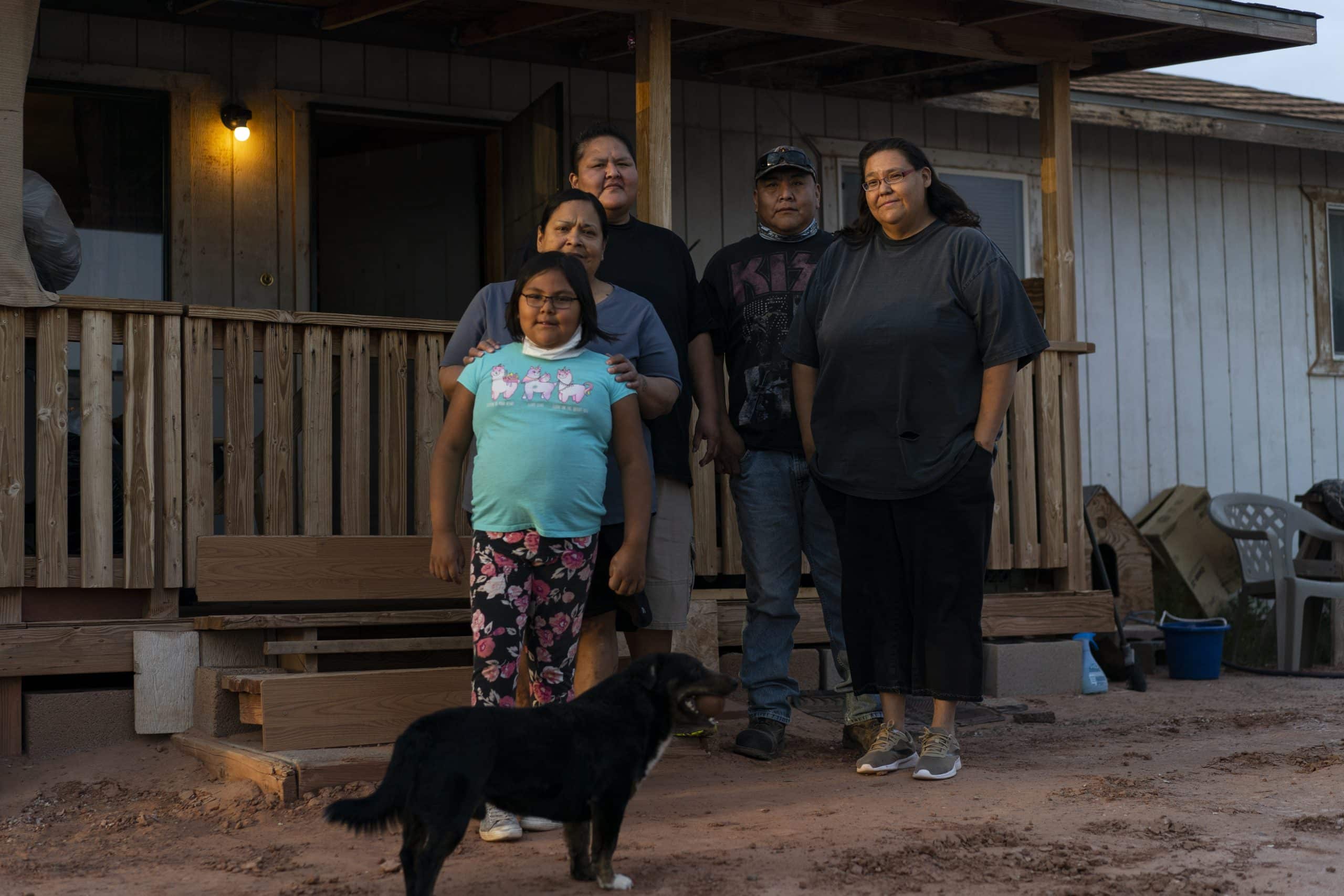
Part 3 focused on Native American children, who lost parents to COVID-19 at a higher rate than any other group. The virus hit the Navajo Nation in waves, like an invisible tsunami that swept away loved ones. It had a particular ferocity when it hit remote Navajo communities in northern Arizona, New Mexico and Utah. In its wake, families were shattered: 2,000 Indigenous children there lost a parent or caregiver. We visit a Navajo community where relatives, neighbors and remaining parents of bereaved children are raising them and using indigenous rituals to help them heal.
And today, we present part 4, Opioid Orphans: Grandparents Struggle to Raise Children Left Behind, a look at the grandparents who stepped up to care for their grandchildren after their parents died from drug overdoses.
Support for these stories, reported by MindSite News correspondent Michele Cohen Marill, was provided by the USC Annenberg Center for Health Journalism’s 2024 National Fellowship and its Kristy Hammam Fund for Health Journalism and by the Commonwealth Fund.
A peer mentoring program helped turn around a mental health crisis in a Montana town
Two years ago, Andrea Savage, mental health coordinator for Great Falls Public Schools in Montana, was facing a district mental health crisis. Students were reporting high rates of depression and anxiety, with an alarming number of sixth graders – 18 to be exact – visiting the emergency room for suicidal ideation. “A lot of our population didn’t even know that we had mental health therapists in the buildings,” Savage told Montana Free Press. “They weren’t sure how to access that. They weren’t sure about the roles of school counselors.”
So Savage turned to a peer mentoring program. What began in 2021 as an extracurricular group, with seven students in one school, has now grown to 200 students across five schools in the district. The district partnered with United Way of Cascade County, the Alliance for Youth, and Touro College to offer a class at Great Falls High School that teaches 30 students how to identify peers who may be struggling and in need of specialized support. They’re also trained to look after themselves.
“We talk a lot about self-compassion, and so we expect these kids to be able to take care of themselves mentally as much as we ask them to go out and provide mental support to their peers,” Savage said.
It’s been a supplement to the district’s six licensed mental health counselors, who are all incredibly busy. The peer mentors are the core of an annual mental health week and create relevant content for social media. This year they gave a presentation about QPR (question, persuade, refer) suicide prevention to medical students at Touro College. In February, some of them testified before Montana’s House Education Committee in support of HB 385, which would fund more mental health programs in the state.
After Savage raised concerns about flailing sixth graders to the peer mentors, they boosted visits to them. It’s already making a difference. “We’ve had a 95% decrease in the amount of sixth graders that are presenting to the ER,” Savage said, adding that sixth graders are now asking to become mentors themselves. The peer mentoring program has made it possible and productive for students to speak up about their issues without judgement. “These kids want to talk about it,” said Savage. “They know that the more they talk about how it’s OK to be sad, it’s OK to be anxious, they normalize it and they are really changing the culture.”
What we all lose as more young people bail on romance
It takes vulnerability to love someone, and Gen Z – young people born between 1997 and 2012 or so – may not be here for it like generations past. It seems they’re put off by the risk of getting hurt, and that’s a real sorrow, Lisa A. Philips, a journalist teaching a course called “Love and Heartbreak” at SUNY New Paltz, told the Atlantic. Steering a romantic relationship from “crush” to “going steady” used to be a significant rite of passage on the path to adulthood, but more young adults than ever are trying to avoid romance – or what they call “catching feelings.” But if fewer people pursue love, and the “challenging, thrilling, world-expanding experience” it can offer, how does that bode for our collective future?
Some research suggests that opting out of traditional romance could actually be good. One study of Gen Z found that those who dated less over a seven-year period reported fewer symptoms of depression and were perceived by their teachers as stronger leaders with better social skills. They’re unencumbered by what a budding love can bring, from joyful distraction to (in some cases) intimate partner abuse.
Furthermore, dating early isn’t necessarily connected with happy future relationships – in one study of 13-30 year olds, long-term romantic life satisfaction was linked to strong adolescent friendships rather than early dating.
Still, deep resistance to the experience may be driving a harmful gender divide, other experts say. Women in recent years say they’re more fearful of sexual assault, and more young men, isolated, are shifting to the political right. Daniel A. Cox, director of the Survey Center on American Life, says while people might want to connect, there’s a “real sense of anxiety” around it.
Boys and young men tend to learn how to nurture their social side from women. In that way, perpetual singleness “might put them at a real emotional and developmental disadvantage,” Cox said.
All that’s to say we may all lose something important as more youth choose undefined “situationships” over traditional romance.
In other news…
Mind Matters, a mental health series launched last month on YouTube. Supported by the Jed Foundation and aimed at youth, the show features content creators in conversation with mental health professionals on topics like eating disorders, loneliness, managing anger, and breakups. The first four episodes are available now.
Creative prompts to guide you to your next major move: Sometimes, in life, it’s tough to decide what to do next. Should you stay near home for college, or move far away? Is grad school worth the investment? Do you really want to live abroad? Victor Saad, a former high school teacher, once had similar questions for himself. Looking for answers led him to create the Experience Institute, an organization that helps people navigate life’s big leaps, both personal and professional. He spoke with NPR’s Life Kit last week about some of the exercises he’s used to coach clients through self discovery. We’re linking them here for you.
Outside is good for you, and we in the nation’s midwest are thrilled for the thaw that’s coming. (It’s the only thing that excites me about Daylight saving time.) Those of us who bring our exercise indoors for winter can finally get excited about returning to the fresh air. In this 4-minute episode of the Best Advice Show, Adam Milgrom, a dad, amateur physicist, and serial entrepreneur from Michigan, tells listeners how to adapt a would-be hike into a walk with a friend or your dog in an urban neighborhood.
Update to tragic story out of Detroit: Earlier this year, two children died in a casino garage in Detroit. It was thought that they’d died of hypothermia, as the pair were unhoused and sleeping in a van amid frigid conditions, alongside their mother, grandmother, and three other children at the time of their deaths. An autopsy has determined the children’s cause of death as carbon monoxide poisoning, possibly from another vehicle parked nearby, the Detroit News reports. Their deaths were ruled accidental.
Still, it was homelessness that killed the children, said Dr. Asha Shajahan, a Corewell Health primary care physician who teaches homeless medicine. “I can’t speculate what happened that night,” Shajahan said. “The ultimate take-home message is that these children died because of unfortunate circumstances, and these are the social determinants of health.”
If you or someone you know is in crisis or experiencing suicidal thoughts, call or text 988 to reach the 988 Suicide & Crisis Lifeline and connect in English or Spanish. If you’re a veteran press 1. If you’re deaf or hard of hearing dial 711, then 988. Services are free and available 24/7.
Recent MindSite News Stories
COVID Stole a Parent from Over 200,000 Children. Indian Country Lost the Most
COVID was not an equal-opportunity destroyer. American Indian and Alaska Native children were orphaned at three times the rate of white children, and Black children at double the rate. Without support, children who lose a parent or caregiver are at […]

Forgotten Children
Forgotten Children is a four-part series on the tragic and underreported problem of childhood grief – and the efforts to address it. Parental death has been rising in the U.S. due to COVID-19, the overdose epidemic and gun violence. Stories by […]
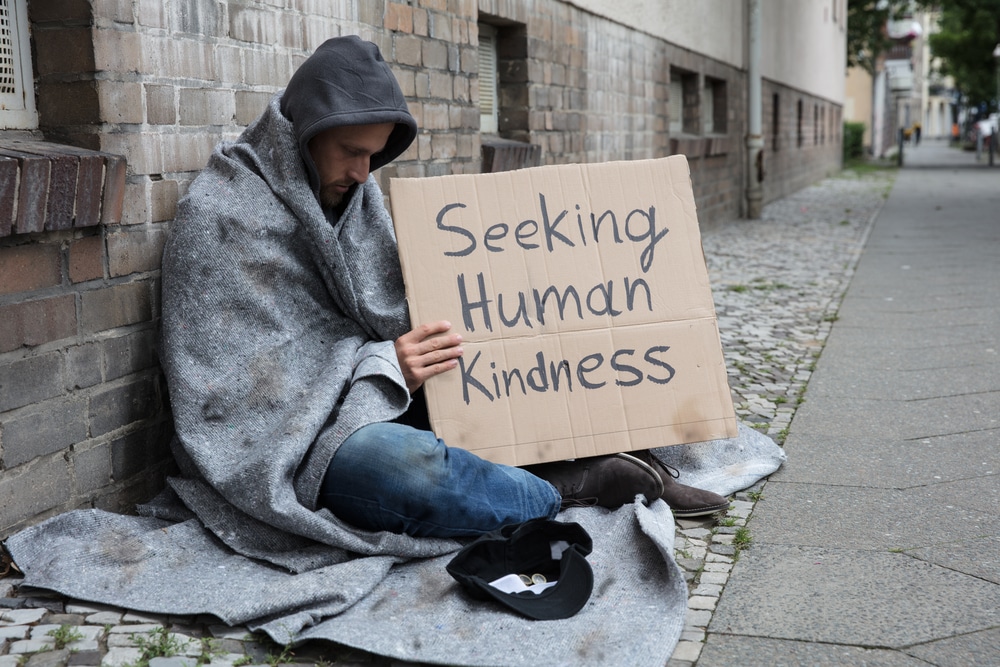
‘You’re going to see more people on the street’: Report finds Trump actions could devastate California
As California grapples with mental illness, addiction and homelessness, the Steinberg Institute issued a dire warning: Massive cuts from the Trump administration and Congress threaten to dismantle efforts to help the state’s most vulnerable.
If you’re not subscribed to MindSite News Daily, click here to sign up.
Support our mission to report on the workings and failings of the
mental health system in America and create a sense of national urgency to transform it.
For more frequent updates, follow us on Facebook, Twitter and Instagram:

The name “MindSite News” is used with the express permission of Mindsight Institute, an educational organization offering online learning and in-person workshops in the field of mental health and wellbeing. MindSite News and Mindsight Institute are separate, unaffiliated entities that are aligned in making science accessible and promoting mental health globally.
Copyright © 2021 MindSite News, All rights reserved.
You are receiving this email because you signed up at our website. Thank you for reading MindSite News.
mindsitenews.org

The name “MindSite News” is used with the express permission of Mindsight Institute, an educational organization offering online learning and in-person workshops in the field of mental health and wellbeing. MindSite News and Mindsight Institute are separate, unaffiliated entities that are aligned in making science accessible and promoting mental health globally.


Author

Related Articles
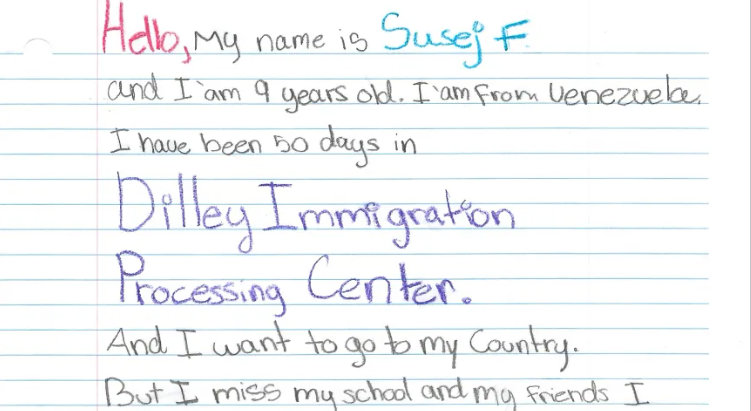
Health Organizations Condemn Traumatic ICE Raids, Family Separation
According to letters from children living in an ICE detention facility, living conditions are inhumane and their mental health is suffering.
In Teens, Social Anxiety Often Looks Like Anger
A study finds that some teens’ aggressive behavior may be due to social anxiety, not straightforward reactivity.
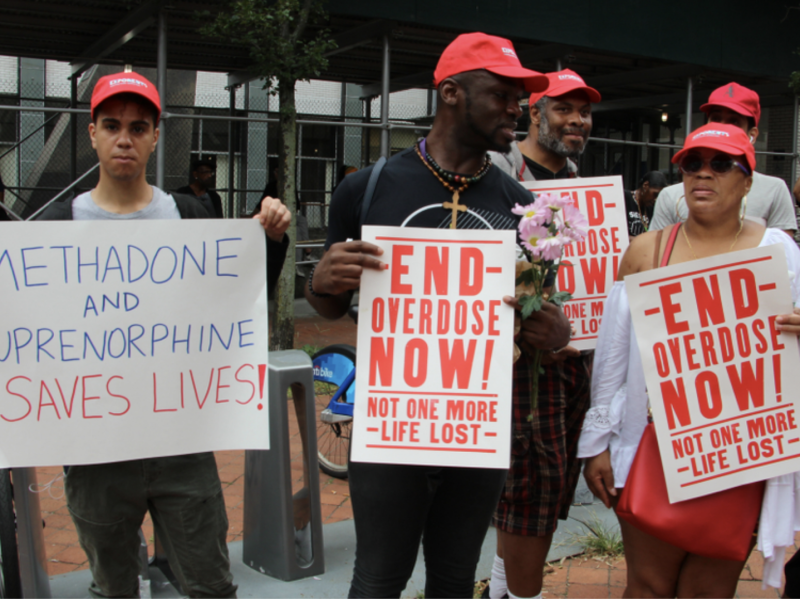
Expert Calls for Harm Reduction, Not Punishment, to Resolve Our Overdose Crisis
As the Trump administration pulls funding from harm reduction, an expert on the overdose crisis says it’s the best way to save lives.
