Remembering the Covid Lockdown
It’s been five years since we went inside to hide from Covid. Still, the virus found us. And for some, the grief will always be there.

March 19, 2025
By Courtney Wise

Greetings, MindSite News Readers. In today’s Daily, a documentary highlights the ways compassionate health care can transform life for the less-wealthy and unhoused. RFK Jr. doubles-down on opioid epidemic treatment. And researchers find that nostalgia leads to stronger social ties.
Plus, Minnesota Republicans recently introduced a frivolous bill on “Trump Derangement Syndrome” in response to Democratic pushback on Trump’s policies.
Finally, it’s been five years since we went inside to hide from COVID. Still, the virus found us. And for some, those memories will never leave.
Grief and loss in the Covid years
If you’re grieving as we remember the COVID-19 pandemic, you’re not alone: It’s been five years since COVID shut down the world. We’re back in Trump’s America. My mental fortitude is being tested. This coming Monday, March 24, will mark the fifth anniversary of an onslaught of grief and loss in my life, all thanks to COVID. It snatched three people I knew that very day: my cousin’s father in the morning, a former coworker and city champion that afternoon, and that night, the first man who ever loved me out loud, my cousin Jonathan. Seventeen more days would pass before texts and calls on my phone didn’t alert me to another death. It was a cruel fakeout; by late spring, death returned, this time taking people I thought had survived the viral bogeyman.
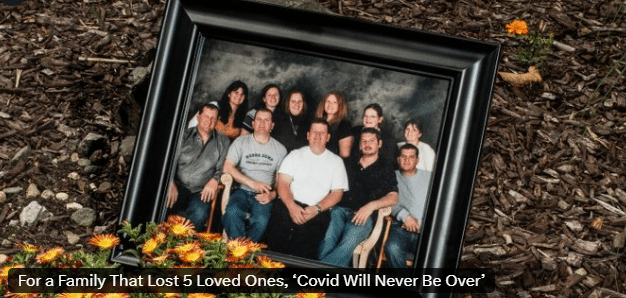
All that’s to say, my heart goes out to the tightly knit Fusco clan, who lost five loved ones within days of the March 2020 shutdowns. The family gathered for dinner, like they always did, on Tuesday, March 10. By Wednesday, March 18, four family members would be dead, they told the New York Times. Dozens of other relatives also became seriously ill, with an aunt dying some weeks later. “It’s like living a different life,” said Elizabeth Fusco. “It was just too many at one time. For families like us,” she said, “COVID will never be over.”
To read MindSite News’ latest story on Covid loss and grief in this five-year anniversary, see Covid Stole a Parent from Over 200,000 Children. Indian Country Lost the Most. See also Courtney’s story, “We Kept the Party Going. A Reflection on Grief in 2020.” – MindSite News editors
Documentary offers an up-close glimpse into Detroit street medicine
One thing that struck me about The Safety Net, a short film on street medicine in Detroit from director Shiraz Ahmed, is its candid view of basic primary care, provided to the unhoused on city streets with competence, professionalism, and compassion. Made available to the public just days ago online, the 16-minute film won Best Documentary at the Duke Independent Film Festival last year.
It follows the Neighborhood Service Organization’s free Tumaini Clinic, which for decades ran under the guidance of Family Nurse Practitioner Dean Carpenter. Its crew of volunteer medical students, staff nurses and peer specialists treated patients in and beyond the clinic– visiting homeless encampments throughout the city’s downtown and near westside, and providing emergency housing to those who needed it. Over the years, Carpenter became the people’s champ, but died suddenly in 2019, and the clinic and shelter closed permanently over COVID. The documentary charts “the work he left behind.”
Lydia Adkins, once a patient and resident of the shelter at Tumaini, became one of those peer specialists, after being treated by Carpenter in the throes of her addiction. “One day I was sick. I think I had pneumonia, found out I had asthma and bronchitis at the same time — because Dean put me in his car and actually drove me to the emergency room. Probably saved my life that day.”
The clinic’s patients had often left the hospital after being treated with little dignity or respect – Carpenter took his practice to the streets after wondering how many might be going without critical care.“First I was just practicing here … and kind of had it in the back of my mind – what about the people who don’t come into the center,” Carpenter said. “What sort of pathology is out there lingering? ”
When asked why he didn’t choose medical school, Carpenter said that if he had, he wouldn’t have been able to spend as much time with his patients. He dedicated his life to the work, and saw it as an “ongoing process,” but that was cut short just before the pandemic. While on vacation with his family at their northern Michigan cabin, he laid down to sleep and never woke up.
The Tumaini center worked with the neglected – often taking medication discarded by pharmacies or unused by patients to those frequently explicitly or implicitly shut out by traditional care. In 2023, the NSO opened a new center, providing emergency housing and post-hospital care to those in need – something Dean had been working towards. Anchored by Carpenter’s story, The Safety Net reveals the uncertainty as well as the importance of facilitating free care for all.
Does the FAA inadvertently incentivize pilots to hide mental illness?
Troy Merritt knew he wasn’t well. At work, flying for a major US airline, he felt much better, but at home and on land, he knew he felt depressed. When not weeping in despair, he told New York Times Magazine, he was sleeping. “I’ve got to find a therapist,” he told himself. Merritt found one quickly, but in doing so, hit another challenge: preventing the therapist from writing down a formal mental health diagnosis. Being clinically depressed might keep him from ever flying again. If diagnosed, or prescribed any medication, Merritt would have to endure a rigorous and costly medical certification process with the Federal Aviation Administration (FAA) before returning to his job as pilot.
Requirements for pilot wellness are strict — and with good reason. A suicidal pilot might intentionally crash a plane, as happened back in 2015, when a Germanwings pilot flew the passenger plane he was stewarding into the French Alps, killing 150 people. He had been previously treated for depression and had held a clearance certificate from the FAA. Following the tragedy, Senator Dianne Feinstein commissioned a report from the inspector general’s office at the Department of Transportation. It found that, despite the onerous processes, the agency’s ability “to mitigate safety risks is limited by pilots’ reluctance to disclose mental-health conditions.”
Every pilot and controller knows they must pass an annual medical-certification to fly, two per year if they’re over 40. But they quickly also learn that being transparent about their medical history could end their career. Though deceiving the FAA about their health is punishable by a 5-year prison sentence and $250,000 fine, plenty do misrepresent their medical histories with no penalty.
Every pilot who spoke to the New York Times for their investigation either knew coworkers who had hidden their medical issues from the FAA, or had done so themselves. Some even admitted being encouraged by their supervisors to not report a health problem.
Mental health issues are often easier to conceal, and until 2010 a diagnosis would bar pilots from flying entirely – now, pilots must meet strict criteria and pass regular evaluations. FAA medical aviation examiners only get three hours of initial training on mental-health, and are expected to assess pilots solely by observing their behavior and engaging them in casual conversation. It’s a certainty that some slip through the cracks.
Merritt waited until he became suicidal to take action for himself. Though he experienced a near immediate turnaround in his well-being once medicated and in treatment, it would be around 18 months before he could return to work — and this is the best case scenario. His very first medication and dosage worked. Had it not, he would have been subject to an additional six-month waiting period, reset with each dosage or medication change.
The FAA also didn’t ask for extra information or evaluations. It could have, adding months to the process. And critically, his employer continued to issue half of his wages while he was grounded because it had the resources to do so – pilots for smaller airlines wouldn’t have the same support. Merritt will still have to check in every six months with FAA specialists, indefinitely.
In other news…
Minnesota Republicans mock Democrats with “Trump Derangement Syndrome” bill: The legislation, written by Minnesota Sens. Eric Lucero, Steve Drazkowski, Nathan Wesenberg, Justin Eichorn, and Glenn Gruenhagen, and made available to read in full by CBS News — calls for “Trump Derangement Syndrome” to be added to the list of treatable mental health conditions in the state. The bill’s authors definine TDS as “the acute onset of paranoia in otherwise normal persons that is in reaction to the policies and presidencies of President Donald J. Trump.” Minnesota Senate Senate Minority Leader Mark Johnson described the bill as “a little tongue in cheek.”
In response, Majority Leader Erin Murphy called the bill “wasteful, frivolous and shameful.” She added, “If it is meant as a joke, it is a waste of staff time and taxpayer resources that trivializes serious mental health issues. If the authors are serious, it is an affront to free speech and an expression of a dangerous level of loyalty to an authoritarian president. The authors should be ashamed, and the citizens we’re hearing from are rightfully outraged.”
Health and Human Services Secretary Robert Kennedy Jr.’s lived experience of heroin addiction may have had one good result: He sees a need to renew the emergency declaration that allows a coordinated approach to the country’s opioid addiction crisis. The only problem, at least from a read of the press release, is that it’s not clear what that approach will be, besides the flexibility “to continue leveraging expanded authorities to conduct certain activities in response to the opioid overdose crisis.” (Are federal press releases being written by AI now?) But Kennedy did vow to continue helping prevent overdose deaths and to help those addicted to recover and live healthy lives again.
San Francisco Mayor Daniel Lurie has unveiled a plan this week for what he plans to do about homelessness in San Francisco , and advocates for the homeless are not impressed. His initial 100-day plan includes scaling back on harm reduction treatment for fentanyl users and making it harder for unhoused newcomers to get General Assistance. Jennifer Friedenbach, executive director at Coalition on Homelessness, opposes such proposals, calling them “tried and failed approaches. “We’d really like to see a plan that would engage people into services and not push them away,” she said. “Making it more for difficult to get public assistance will likely only increase homelessness.” Lurie also plans to ship more homeless people to loved ones out of the city by bus.
Is nostalgia good for you? A recent journal article says yes: A new study published in Cognition and Emotion found that nostalgic people have more close friends and work harder to maintain their friendships than those less sentimental. “People who feel nostalgic more often and value those memories are more aware of their important relationships and the need to nurture them,” doctoral student and lead author Kuan-Ju Huang said, in a press release.
“This means these friendships may be more likely to last, even as we get older and our lives, interests and responsibilities change,” Huang said. Beyond the day-to-day emotional benefit strong relationships can provide, they’re also critical to our long term well-being, providing psychological and cognitive benefits into old age, researchers said, noting participants tended to get more nostalgic as they got older.
If you or someone you know is in crisis or experiencing suicidal thoughts, call or text 988 to reach the 988 Suicide & Crisis Lifeline and connect in English or Spanish. If you’re a veteran press 1. If you’re deaf or hard of hearing dial 711, then 988. Services are free and available 24/7.
Recent MindSite News Stories
Inside America’s Mental Health Agency: Mass Firings and Work Stoppages Sap Morale, Impede Mission
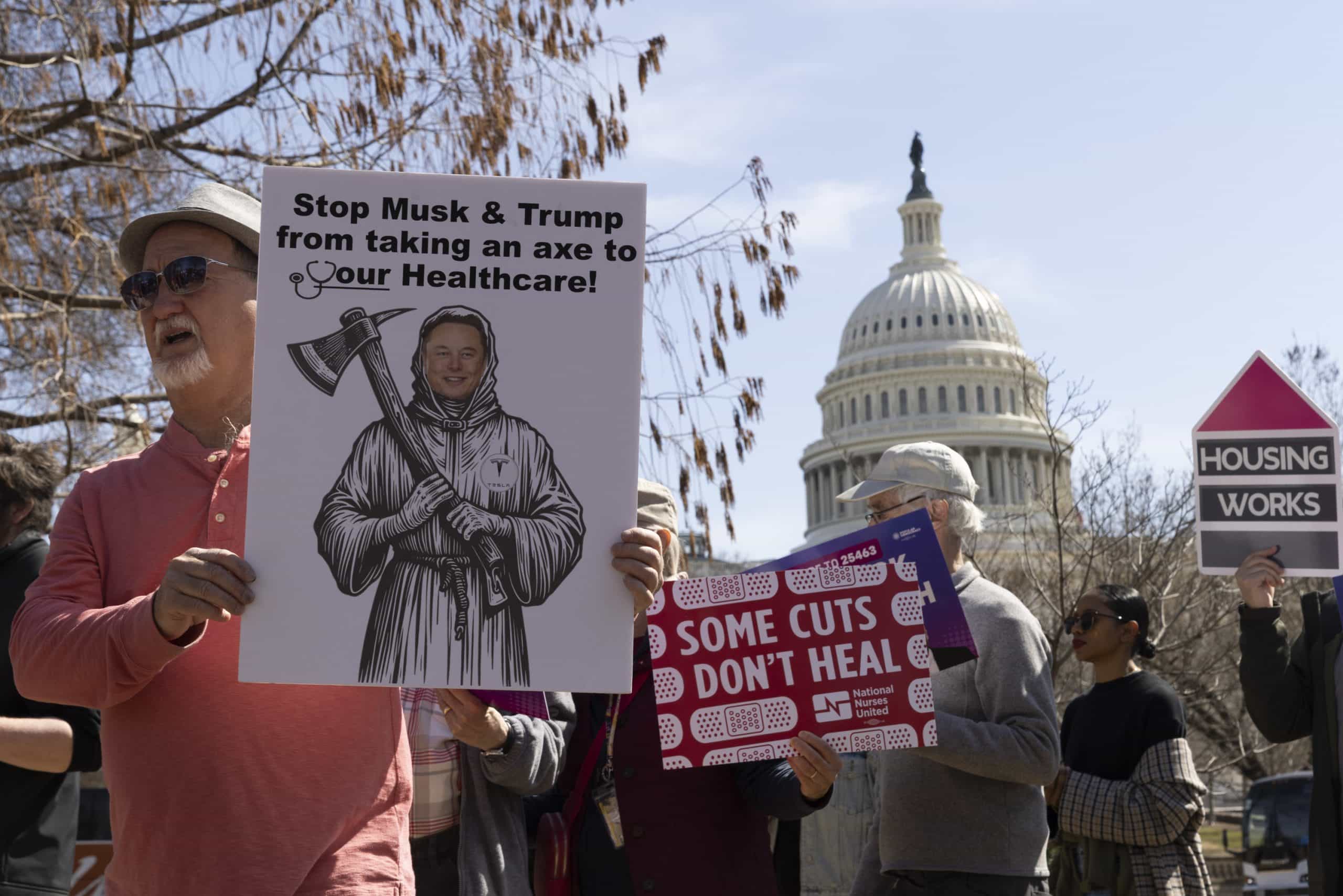
The agency tasked with leading the fight to ease the country’s mental health and addiction emergencies is going through an existential crisis. About 100 of its 900 workers have been fired and those that remain are frightened and demoralized. Continue reading…
—————————————————————————————————-
Opioid Orphans: Grandparents Struggle to Raise Children Left Behind

Despite billions set aside in settlement funds, very little goes to relatives raising bereaved children. Continue reading…
______________________________________________________
COVID Stole a Parent from Over 200,000 Children. Indian Country Lost the Most

COVID was not an equal-opportunity destroyer. American Indian and Alaska Native children were orphaned at three times the rate of white children. Continue reading…
If you’re not subscribed to MindSite News Daily, click here to sign up.
Support our mission to report on the workings and failings of the
mental health system in America and create a sense of national urgency to transform it.
For more frequent updates, follow us on Facebook, Twitter and Instagram:

The name “MindSite News” is used with the express permission of Mindsight Institute, an educational organization offering online learning and in-person workshops in the field of mental health and wellbeing. MindSite News and Mindsight Institute are separate, unaffiliated entities that are aligned in making science accessible and promoting mental health globally.
Copyright © 2021 MindSite News, All rights reserved.
You are receiving this email because you signed up at our website. Thank you for reading MindSite News.
mindsitenews.org

The name “MindSite News” is used with the express permission of Mindsight Institute, an educational organization offering online learning and in-person workshops in the field of mental health and wellbeing. MindSite News and Mindsight Institute are separate, unaffiliated entities that are aligned in making science accessible and promoting mental health globally.


Author

Related Articles

The College Mental Health Crisis
Experts say more preventive care is needed to combat the growing mental health crisis affecting college students.
Trump Administration Breaks its Promises to Veterans with Mental Health Issues
Since Trump’s return to office, the strained staffing situation within the Department of Veterans Affairs is now “at a breaking point.”

College Employment Scams Undermine Students’ Mental Health
At UC Berkeley, students have lost thousands to employment scams. Victims said they now experience shame, fear, anxiety and depression.
