
Black Churches Work to Prevent Suicide Among Black Youth
More than a dozen Black churches in New York state are involved in the youth suicide prevention initiative called HAVEN-Connect.

March 20, 2025
By Courtney Wise

Greetings, MindSite News Readers. In today’s daily, an innovative program in Black churches across New York state works to prevent suicide among Black youth. A study finds that students at historically black colleges and universities report better mental health. And for couples, advice on connection when your relationships to booze diverge.
Plus, setting rejection goals, the case against yelling, Salinas schools comfort frightened immigrant families, and UC faculty and students condemn attacks on academic freedom.
Preventing suicide among Black youth with support from churches
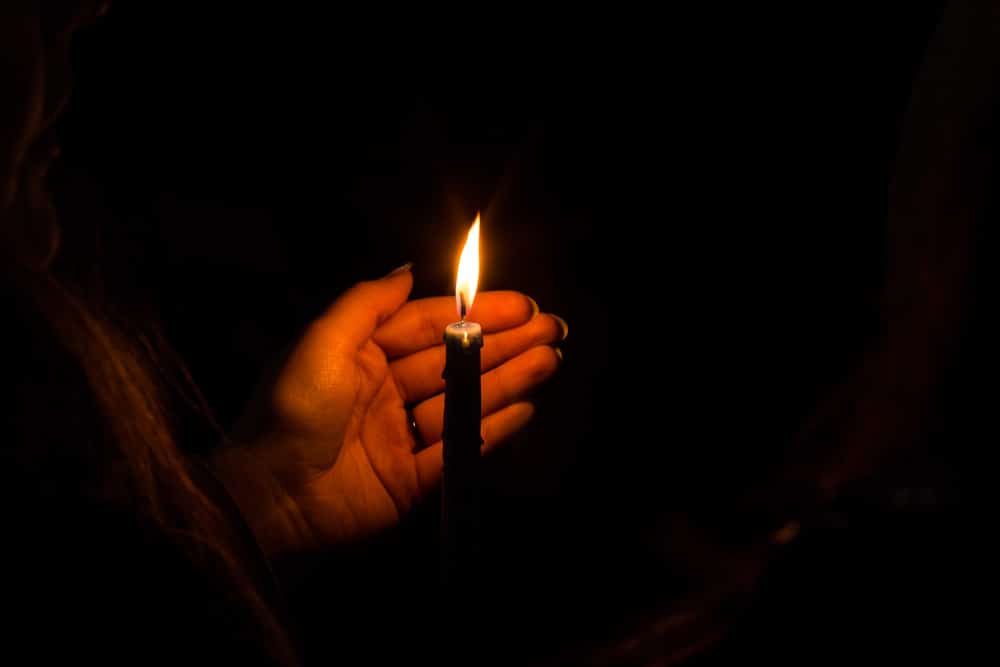
Dr. Lena Green oversees mental wellness at First Corinthian Baptist Church in Harlem, New York, so she’s used to hearing concerns from families. But it was the volume of queries she had been getting that led her to implement a new program aimed at preventing youth suicide in the community. “I was probably getting almost 10 calls a week asking for services for teens,” she told NPR. She had been referring families to private help through nearby clinics and therapists, but they kept coming back, struggling to get essential care. Some parents said they were afraid to sleep at night, fearful they would wake up to find their child gone by suicide. “When we started getting calls about suicide attempts, I was like, ‘Oh, this is really bad.’”
So Green, a licensed therapist with a doctorate in social work, has turned her expertise to an initiative involving more than a dozen churches throughout New York state. Called HAVEN-Connect, the program brings direct, research-based approaches to strong existing networks, with the goal of reducing suicides among Black youth. “We know the Black churches are a trusted institution,” said Sherry Molock, a professor of clinical psychology at George Washington University who designed the program. “We know that they are really poised to help reduce stigma around mental health challenges in general, and suicide in particular.”
The intervention comes in the midst of a national crisis – suicide is a huge problem among Black youth, one that’s been getting worse. From 1991-2017, suicide attempts rose by 73% for Black adolescents and injuries from such attempts increased 122% for adolescent Black boys. Today, suicide is the second leading cause of death in Black children aged 10-14, and the third leading cause of death in Black adolescents aged 15-19, according to the American Foundation for Suicide Prevention.
Three of Certina Robinson’s four children are in HAVEN at First Corinthian. She said she was so overwhelmed — parenting four children right after a divorce and managing the many crises for students and staff as assistant principal of a school — that she didn’t notice her own teen’s life was at risk. She’s thankful for the call she got from Green after her 16-year-old daughter Janelle Davis revealed that she was beginning to have thoughts of hurting herself. “I ran over here from the Bronx, and that’s the first time I heard that she was having struggles with her mental health,’ Robinson said. “Dr. Green just kept reiterating, ‘We want her to live. We want her to be happy. We want her to thrive.’”
Robinson said she’s since learned more about the stigma preventing many Black people from seeking treatment for mental health issues. Masking pain is a remnant of enslavement for many African Americans, passed down through generations. “You have to show that you’re strong. You have to show that nothing can break you. That’s what we’re taught,” she said. The problem is that hiding vulnerability and refusing to express emotional needs keeps one mentally bound. “It’s amazing,” Robinson added, “how our oppressors got us to avoid the one thing that would actually liberate us.”
The suicide prevention effort at churches like First Corinthian is groundbreaking, said Leslie Adams, a researcher on Black mental health and suicide risk at Stanford University who is unaffiliated with the project. She worries what impact the Trump Administration’s crusades – to end DEI, dismantle education, remove health and financial social supports, and assault the rights of trans and disabled people – will have on the growth of such an important mental health program. Though HAVEN-Connect doesn’t receive federal funding, new research it prompts will require federal support from the NIH or CDC, she said.
“Suicide prevention should not be political,” Adams added, noting the broader societal effects of letting it fall to the wayside. “Black Americans are a major part of our labor force, of our society, of our communities.” she said. “This is also an economic issue.”
HBCU students report better overall mental health than their peers
Students at historically Black colleges and universities and predominantly Black institutions report better overall mental health than students at predominantly white institutions and college students overall, according to a recent analysis on student mental health. The study, “Community, Culture and Care: A Cross-Institutional Analysis of Mental Health Among HBCU and PBI Students,” was sponsored by the United Negro College Fund.
Forty-five percent of HBCU and PBI students reported positive mental health, while 38 percent of Black students at PWIs and 36 percent of all respondents said the same. HBCU and PBI students also reported lower rates of anxiety, depression, and eating disorders than their peers at other schools.
The findings chime with previous research linking a sense of belonging to high academic achievement and mental well-being. Students at HBCUs and PBIs did, however, report slightly higher rates of suicidal ideation than college students overall, at 17 percent and 14 percent, respectively. Further, 52 percent of students at HBCUs and PBIs report being always or often worried about finances, compared to the overall average of 43 percent.
HBCU and PBI students who do report poor mental health are also less likely to receive help, the study found. This could be due to HBCUs and PBIs having fewer resources like campus therapists (as a result of chronic underfunding), and the perceived stigma associated with receiving mental health treatment. Though only 8 percent of students at HBCUs and PBIs said they personally would judge someone for getting treatment, 52 percent felt most people would think less of someone who did.
Staying close as a couple when one of you stops drinking
For more than a decade, Casey and Mike Davidson’s shared life involved happy time spent together with alcohol. They bonded over post-work drinks. Their friends were always down for a beer or two on the lake or a boozy, boisterous evening in town. Mike eventually wound down to one beer a night, but Casey often finished a bottle of wine on her own. Mike’s shift began to weigh on her. “I was really defensive about my drinking,” she told the New York Times. “I didn’t want him watching me every time I poured a third glass of wine.”
That’s unsurprising to Ruby Warrington, author of Sober Curious. Research on alcohol and marriage suggests that couples who drink heavily are as satisfied as those who don’t drink at all. Mismatched drinking habits, on the other hand, “can drive a wedge between people in terms of how they socialize, how they relax and unwind, their bedroom activities,” she said. “It can be really uncomfortable.”
For the Davidsons, glasses switched hands again as Casey quit drinking and started a career as a sobriety coach, while Mike continued to drink. Another fear for Casey: “I wondered how we would connect,” she said.
The Davidsons still connect, just instead of dates at bars, it’s over live music, browsing in bookstores and watching movies together. It’s important, experts say, not to force your partner into your choice. “One thing we remind everyone is that their journey is their own,” said Andrea Pain, executive director of Moderation Management, a nonprofit that helps adults looking to drink less. “You can’t expect anyone to change what they’re doing because you’ve set this new intention for yourself.”
In other news…
University of California faculty and students rallied at UC campuses across the state this week to protest what they call the Trump administration’s “assault on higher education.” Besides Trump’s promise to slash federal funding for university research and to shut down diversity and inclusion initiatives, his team has opened investigations into more than 50 universities.
“American universities are the lifeblood of American democracy. If we are not free to do the teaching and research that sustains public life, democracy in America is lost,” James Vernon, a UC Berkeley history professor, told the San Jose Mercury News. “We are concerned absolutely for the safety of our students and our ability to be able to teach sensitive subjects and politically controversial subjects. We’re not here to teach our students what to think. We’re here to teach our students how to think.”
“‘Afraid to go to school’: Immigrant families in the Salinas Valley are gripped by fear”: In this must-read story from CalMatters, Carolyn Jones reports that fear of being deported has left immigrant children reluctant to go to class in Salinas Valley, California, the birthplace of writer John Steinbeck. But schools in the community are helping comfort parents and ease students’ fears. “I’m not worried about going back to Mexico. I’m afraid of being separated from my kids,” said one mother who asked to be anonymous. “My worst fear is that my 6-year-old will end up in a camp. … I don’t know what I would do.”
Setting rejection goals: Ten years ago, Shonda Rhimes lived a Year of Yes, and last fall, Vox’s Jillian Anthony set out on the November of NO. The goal – Anthony was aiming for 12 pitch rejections in the month – was to develop greater resilience, “by inviting no’s into our lives, all in the pursuit of getting to yes,” as she wrote to a group gathered for the project. If rejection was holding them back, building up immunity to it would forge a new path forward.
Anthony says it ultimately helped her become less perfection-focused and more confident. Sara Bonds, a group member who works in nonprofit development, said it helped her stop believing that professional rejections were rejections of her as a human being. “I feel like about five years in, I really learned that there’s a critical mass of nos you have to get to get to the number of yeses you need, and it really has nothing to do with me,” Bonds said. “When I’m looking for a contract or a collaboration, most of the time the reason they say no is something on their end. So now I just trust it, and I don’t take it personally.”
Parents, yelling just doesn’t work: One of my favorite teachers in Detroit asked her ninth graders to respond to this journal prompt: “What do you plan to do differently from your parent(s) when you are a parent?” This year, overwhelmingly, students said they would never yell at their children. So our kids can’t stand it – and experts say it doesn’t work. It’s not even about them, it’s about us. “Yelling is about releasing anger; it’s not an effective way to change behavior,” Laura Markham, a clinical psychologist and author, told Parents. Moreover, Markham said, it frightens children, pushing them into fight-or-flight mode, where they shut down, feel anxious and devalued, and can’t learn the way you might hope yelling will make them.
If you or someone you know is in crisis or experiencing suicidal thoughts, call or text 988 to reach the 988 Suicide & Crisis Lifeline and connect in English or Spanish. If you’re a veteran press 1. If you’re deaf or hard of hearing dial 711, then 988. Services are free and available 24/7.
Recent MindSite News Stories
Inside America’s Mental Health Agency: Mass Firings and Work Stoppages Sap Morale, Impede Mission
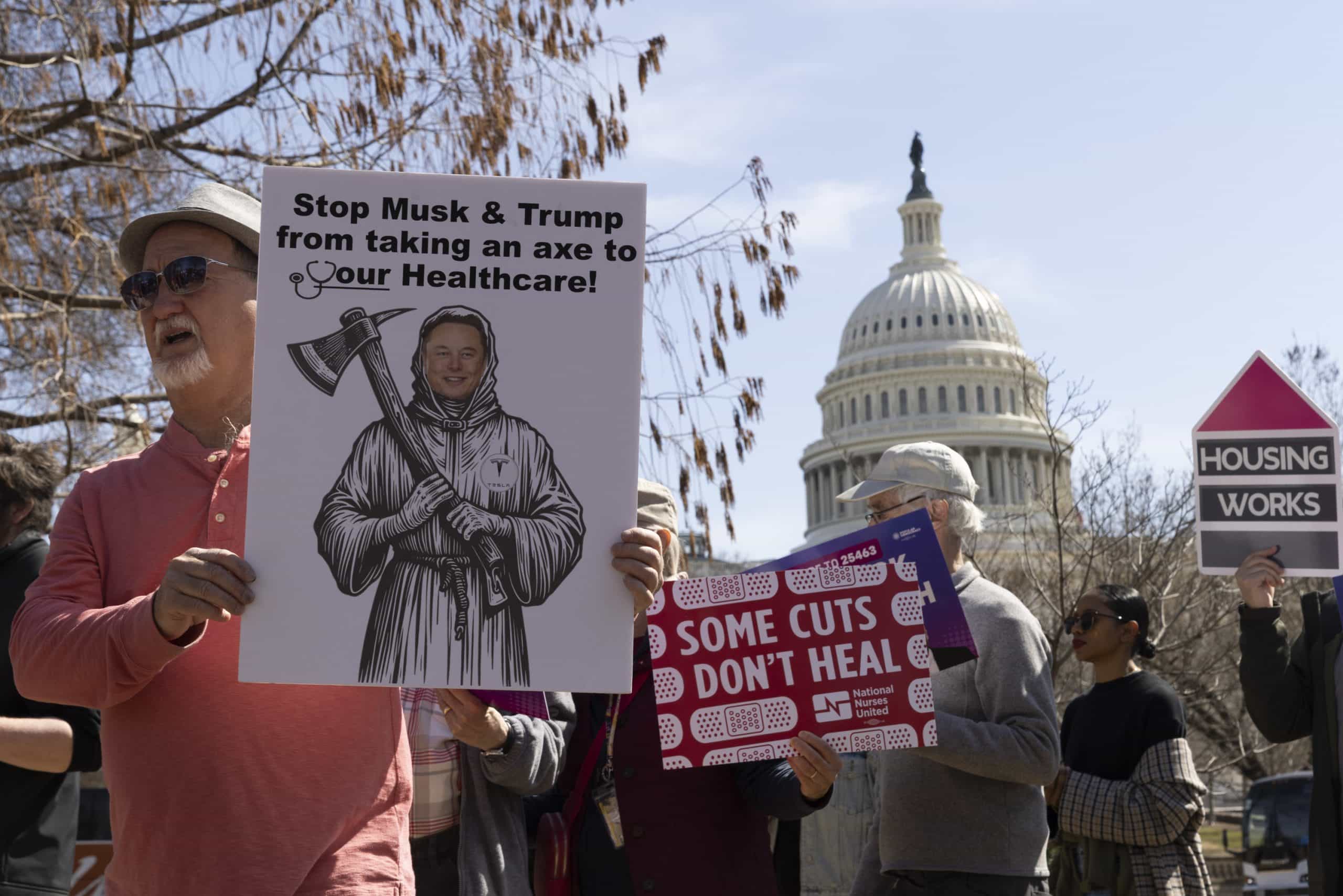
The agency tasked with leading the fight to ease the country’s mental health and addiction emergencies is going through an existential crisis. About 100 of its 900 workers have been fired and those that remain are frightened and demoralized.
Opioid Orphans: Grandparents Struggle to Raise Children Left Behind

Despite billions set aside in settlement funds, very little goes to relatives raising bereaved children. Continue reading…
COVID Stole a Parent from Over 200,000 Children. Indian Country Lost the Most
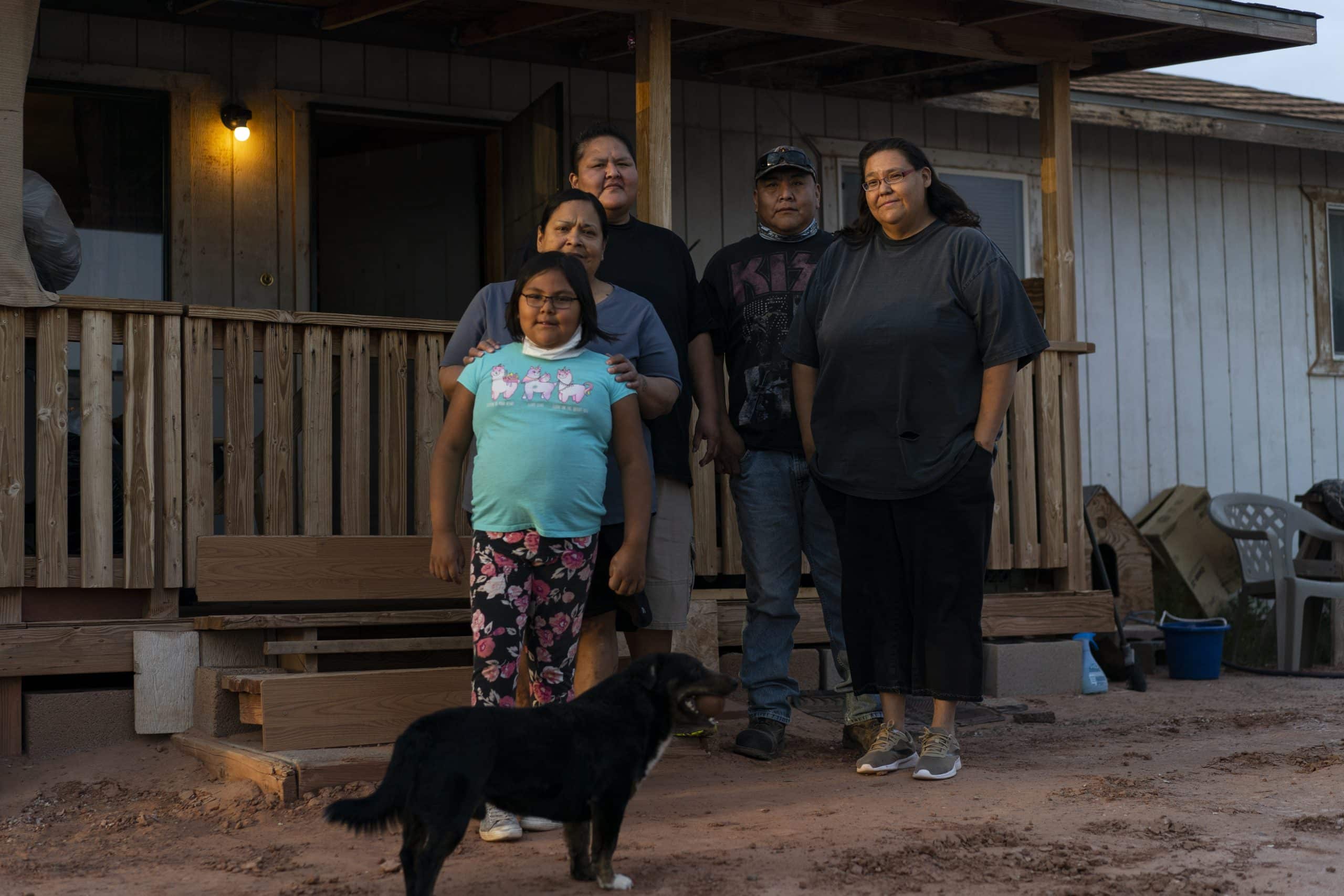
COVID was not an equal-opportunity destroyer. American Indian and Alaska Native children were orphaned at three times the rate of white children, and Black children at double the rate. Without support, children who lose a parent or caregiver are at higher risk of depression, lower academic achievement, and behavioral problems.
If you’re not subscribed to MindSite News Daily, click here to sign up.
Support our mission to report on the workings and failings of the
mental health system in America and create a sense of national urgency to transform it.
For more frequent updates, follow us on Facebook, Twitter and Instagram:

The name “MindSite News” is used with the express permission of Mindsight Institute, an educational organization offering online learning and in-person workshops in the field of mental health and wellbeing. MindSite News and Mindsight Institute are separate, unaffiliated entities that are aligned in making science accessible and promoting mental health globally.
Copyright © 2021 MindSite News, All rights reserved.
You are receiving this email because you signed up at our website. Thank you for reading MindSite News.
mindsitenews.org

The name “MindSite News” is used with the express permission of Mindsight Institute, an educational organization offering online learning and in-person workshops in the field of mental health and wellbeing. MindSite News and Mindsight Institute are separate, unaffiliated entities that are aligned in making science accessible and promoting mental health globally.


Author

Related Articles
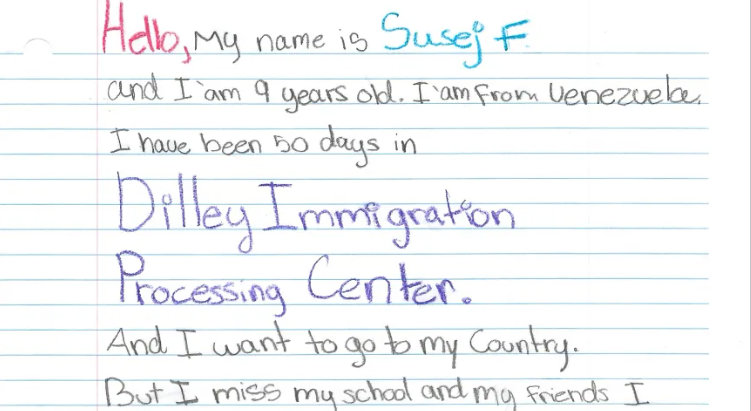
Health Organizations Condemn Traumatic ICE Raids, Family Separation
According to letters from children living in an ICE detention facility, living conditions are inhumane and their mental health is suffering.
In Teens, Social Anxiety Often Looks Like Anger
A study finds that some teens’ aggressive behavior may be due to social anxiety, not straightforward reactivity.
Expert Calls for Harm Reduction, Not Punishment, to Resolve Our Overdose Crisis
As the Trump administration pulls funding from harm reduction, an expert on the overdose crisis says it’s the best way to save lives.
