
Kendra’s Law in New York: Report Blasts Racial Disparities in Forced Mental Health Treatment
When someone is forced into treatment, it strips them of their autonomy, say critics of Kendra’s Law in New York.

Involuntary outpatient commitment has harmed the mental health of Black and Hispanic people, critics say
Updates to add history of law in second paragraph and make other changes.
For two decades, advocates have pointed to racial disparities in the use of a New York law that allows judges to impose outpatient psychiatric treatment on people with mental health issues and a history of violence or hospitalization. Now a legal rights group is out with a new report that says those disparities are as pronounced as ever, with Black people and Latinos far more likely than whites to be forced into treatment against their will.
New York Gov. Kathy Hochul has pushed plans to expand the use of assisted outpatient treatment (AOT), the name used nationally for the type of mandatory treatment allowed in New York by Kendra’s Law. The law is named for a woman, Kendra Webdale, who died in 1999 after being pushed in front of a subway by a man suffering from schizophrenia.
While the governor’s office has touted the program’s success, New York Lawyers for the Public Interest (NYLPI) has said there’s no proof that forced treatment is more successful than voluntary treatment. The group argues in a recent report that forced treatment exacerbates distrust in the mental health system from those who need care the most and trust the system the least, pointing to geographic and racial disparities in the law.
The state’s budget includes $16.5 million to enhance county-level implementation of forced treatment programs and $2 million for additional staff to continue studying the program. Assisted outpatient treatment reduces “hospitalizations, homelessness, and interactions with the criminal justice system,” Justin Mason, a spokesman for the New York State Office of Mental Health, said in an emailed statement.
Hochul is proposing updates to the law that would allow commitments for people at substantial risk of harm because they can’t meet needs like food, shelter, or medical care and eliminate the need for evidence of imminent risk or recent overt acts. It will also extend involuntarily commitment authority to psychiatric nurse practitioners, a move that Hochul said will improve access to care in underserved areas.
Other changes include allowing more people to petition for assisted outpatient treatment and using video conferencing to streamline the process. Hochul has also proposed standardizing so-called “enhanced service packages,” which currently allow people in certain counties to receive assisted outpatient treatment without a court order.
As of February 25, 3,674 people were under an active involuntary outpatient commitment order across the state, including 1,684 in New York City, according to the new report from NYLPI, which has been working to transform mental health crisis response in the state. The group argues that mental health treatment should be voluntary, citing racial and geographic disparities.
The NYLPI report says that Black people make up 38% of involuntary treatment orders, citing data from the New York State Office of Mental Health, despite making up less than 18% of the population. Latinos constitute 26% of the orders, while representing less than 20% of the population. White people make up 54% of the population and are involved in 31% of the orders, according to the report.
“When I was doing this research, it was very sad. There were times when I was researching and I wanted to cry because of the numbers and what I would see,” said Sakeena Trice, a senior staff attorney for NYLPI’s disability justice program. “I’m a Black woman, so for me I find that a lot of laws or policies fall on the backs of Black people. It’s really tiring. It’s draining. And I want to do something about it – that’s why I’m heavily involved in this work.”
People living in New York City are nearly three times more likely to be subjected to an order than people living in the rest of the state. Majority Black counties and Hispanic counties use the law five times more often than majority white counties, according to the New York Lawyers for the Public Interest report.
The report calls for ending the use of Kendra’s Law and also recommends:
- Mandating racial bias training for all involved in the implementation of the law
- Conducting outreach to communities of color and offering a diverse range of services, support and engagement
- Decoupling “enhanced services packages” from the law
- Shift funding from Kendra’s Law to voluntary treatment options
MindSite News spoke with Trice about the report and the future of Kendra’s Law in New York. This conversation has been edited for length and clarity.
We usually hear about involuntary treatment as a last resort for families. What makes Kendra’s Law particularly harmful?
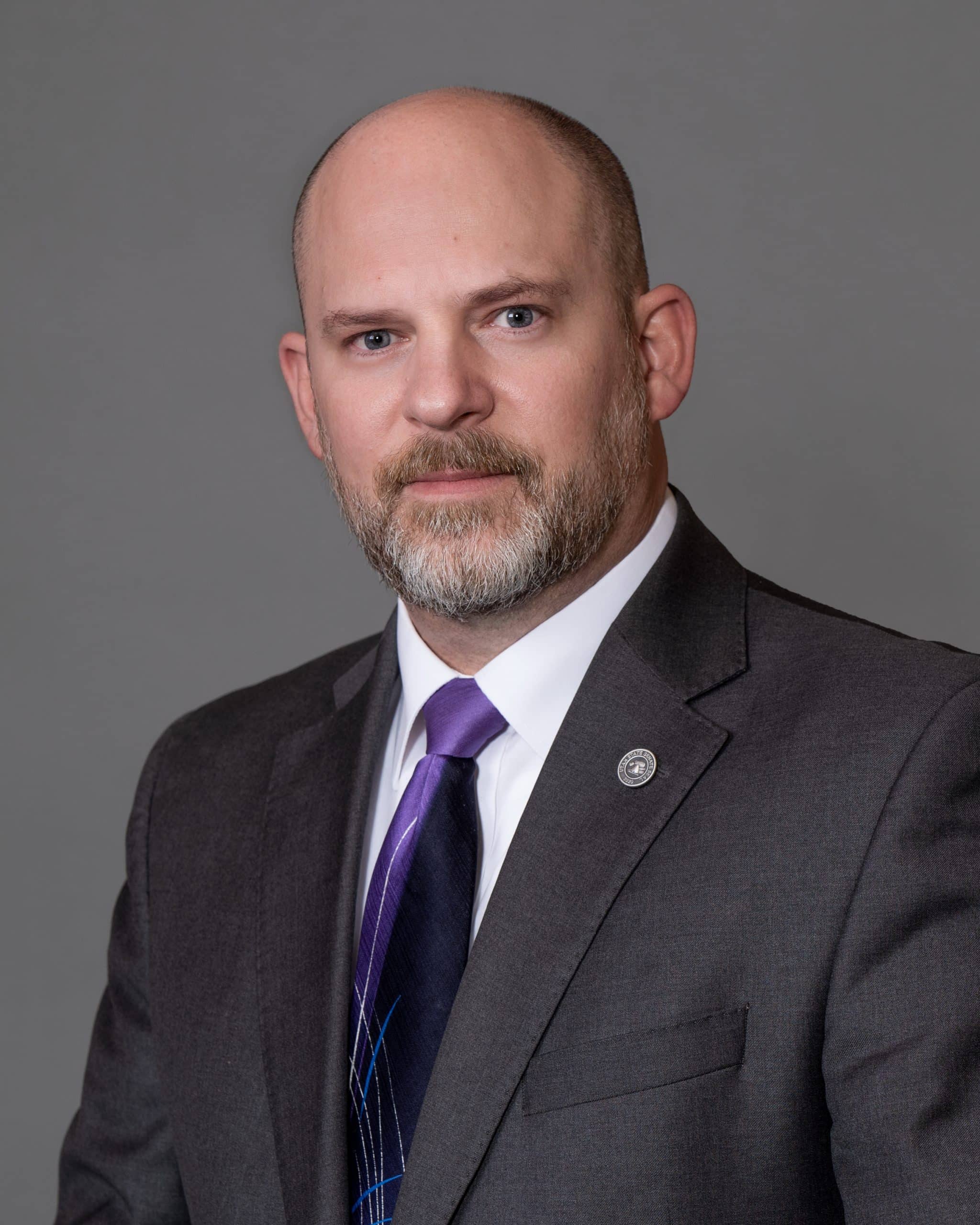
What makes this option harmful is when someone’s forced into treatment, it strips them of their autonomy – their right to decide for themselves. These orders can be very intrusive. They can dictate the medication that you take, where you live, with whom you live, when you take medicine, which doctors you go to seek your treatment from.
That does not have to be the case if we are prioritizing voluntary treatment and voluntary services. You have these services that are accessible for all people and you don’t run the risk of depriving people of certain liberties and their options to choose.
The study found that the law is severely biased and has been for decades. Why are Black people more likely to be subjected to Kendra’s Law orders?
What we found is that the disparity cannot be explained away by saying, ‘Oh, Black people are more severely mentally ill than others. That’s just not true, because even then, the disparity still exists. Its factors include: racism, historical oppression, the lack of access to mental health care and distrust of the system in the Black community.
The candidates for this law are also being selected from pools that are already biased like psychiatric hospitals and jails, where you see an influx of Black people. Those are the pools which these candidates are likely to be pulled from.
What most concerns you about proposals to expand Kendra’s Law?
For me what’s most concerning is that it seems that we are just throwing people to the side. Mental illness should not be criminalized. We really have to form a system where the main objective is to help people on a voluntary basis. A system that relies heavily on involuntary commitment is a system that is flawed and short-sighted.
We really have to make sure that we are providing treatment to people on a voluntary basis, making sure those services are affordable, culturally competent and accessible. We haven’t tried it that way yet, so let’s try that way before we force people into something.
What about specific policies?
Right now, psychiatrists can make the evaluation to determine if someone’s mental capacity is at a level where they need to be committed under a Kendra’s Law order. One of the expansions is letting a whole group of people make those evaluations including social workers and, in some cases, marriage counselors, who are licensed nurses. That’s harmful because we should make sure that the people that are making these decisions are the people who have the credibility, who have the work experience, who have the knowledge to do so.
One recommendation you guys make to improve Kendra’s Law is expanding and mandating racial bias training. How realistic is that considering the Trump administration’s attacks on DEI – diversity, equity and inclusion?
It’s actually very scary. It’s almost getting to a place where it’s not realistic at all. Anything that’s attached to DEI, Trump is attacking it and people are scared.
We know that that has to be implemented so we’re going to have to come together as a community, with other organizations, with other people that have been doing this work and figure out a way that we can make sure it is implemented because its very necessary and needed. People go into things with already inherited biases and even biases that they don’t even know they have – unconscious biases. We need to make sure that people are trained to notice those biases and to be able to correct those biases.
We don’t have all the answers, but we want to form a community around these issues and start coalitions to be able to find out ways in which we can make sure that this is implemented.
What should others be doing in states looking to expand or move towards these kinds of forced outpatient treatment?
I do think this is something that is going to spread, but this doesn’t have to be an issue that’s just taken care of locally. All people that are doing this work across the country, we need to form coalitions. We need to really be in together and work together to ensure that voluntary services and voluntary treatment is prioritized.
We need to make sure that those things get the proper investment so that people can get treatment without being forced. Because what comes with being forced is not good. People have a strong distrust of the mental health care system already and when they’re being forced to do something that distress even heightens.
The name “MindSite News” is used with the express permission of Mindsight Institute, an educational organization offering online learning and in-person workshops in the field of mental health and wellbeing. MindSite News and Mindsight Institute are separate, unaffiliated entities that are aligned in making science accessible and promoting mental health globally.


Author

Related Articles
NAMI Director Explains New Laws to Keep People with Mental Illness out of Jail
The National Alliance on Mental Illness (NAMI) is advocating for state laws to divert people with mental illness from jail and into treatment, highlighting Florida’s Tristin Murphy Act as a national model.

Can ChatGPT Be Your Therapist? This Therapist Found Out for Herself
Can ChatGPT offer a viable alternative to traditional therapy? In this first-person essay, a licensed therapist explores that question.

What Was I Made For? Identity, Meaning, and the Emotional Cost of AI
Machines can now write, analyze, diagnose, and simulate emotional presence, triggering not just a technological disruption but one that strikes at who we think we are.
