
The Sad Dads Club Expands Its Reach
The Sad Dads Club is connecting more bereaved fathers to professional therapy and counseling.
March 27, 2026

Greetings, MindSite News Readers. In today’s Daily, bereaved fathers create a community of mutual support while expanding their connection to mental health resources. Science has made an exciting development in postpartum health: Soon, a blood test may diagnose postpartum depression, even before symptoms show.
And, a recent documentary reveals the long-term harm perpetrated upon babies born with differences of sex, otherwise known as intersex.
The Sad Dads Club Expands Its Reach
Christopher Capozziello/Courtesy of Harvard Public Health Magazine
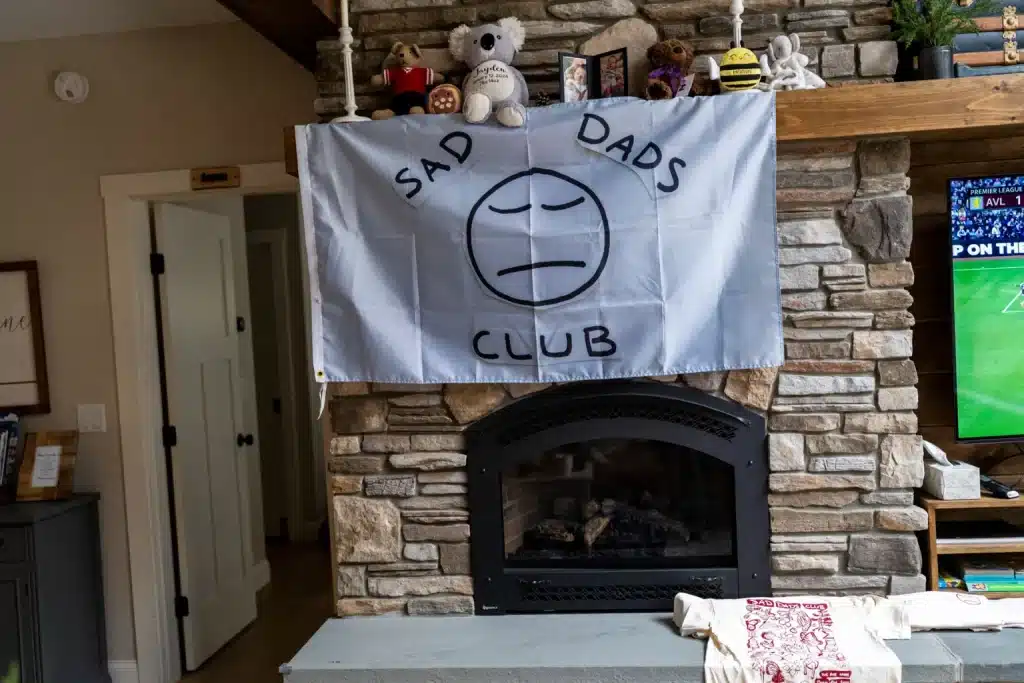
Last fall MindSite News published a great story from Harvard Public Health Magazine about an organization called The Sad Dads Club, a small group for fathers who had lost children. Now News Center Maine has provided an update on the group, which is hoping to expand counseling to more bereaved fathers.
The group started years ago, when friends and college roommates Rob Reider and Jay Tansey lived the nightmares of losing their daughters to stillbirth, less than a year apart. Another classmate, Sarah Piasecki, had been through the same experience. Rob and Jay bonded with her husband, Chris, over “beers and tears,” noting that most fathers tend to suffer in isolation. As they continued to talk, they realized more fathers in their shoes might need a place to turn during such suffering. They’ve now built that space, largely online, where bereaved dads can talk through their experiences with people who’ll understand. In addition to offering a supportive community, the Sad Dads Club connects members to professional mental health services if they need them.
Tansey told News Center Maine that the organization now wants to go further, and is raising funds to cover professional therapy as well as the cost of dad retreats, where fathers meet in-person. $1,500 covers six counseling sessions for one father, and they hope to provide them to a hundred dads.
“Alone we can’t do this, but we need to be able to build the infrastructure around community building that we have, but then also through the professional mental health counseling,” said Tansey. “Executive functioning goes out the window when you lose a child, you don’t know what you’re going to have for breakfast, let alone…finding a qualified professional mental health counselor that can help you, that you have a good rapport with. And so we are removing all of those barriers as well as the financial barriers.”
A blood test may be able to spot postpartum depression – before symptoms show
Postpartum depression (PPD) is common and incredibly serious – it affects roughly 10 to 20 percent of those giving birth, and suicide is the cause of a fifth of national maternal mortalities. While a history of depression is a risk factor, March of Dimes says that for about half of those diagnosed with PPD, it’s their first experience of depression. It can manifest as severe mood swings, withdrawal from family and friends, and an inability to bond with baby. Despite all of this, PPD remains vastly underdiagnosed, experts told Scientific American – only 3% of those with the disorder end up being diagnosed, treated and reaching remission. Now, a recent study promises new hope: A simple blood test, taken in the third trimester, may be able to identify people with PPD, before symptoms present.
“If we had a blood test that could predict postpartum depression, it would alert clinicians and patients so they could start treatment immediately postpartum in the hospital to prevent the onset of postpartum depression,” said Lauren M. Osborne, lead author of the study, published in January in Neuropsychopharmacology. Elseline Hoekzema, a neuroscientist who runs the Pregnancy and the Brain Lab at Amsterdam University Medical Center and is unaffiliated with the study, said: “This is important, as [postpartum] depression is often only recognized at a relatively late stage, and then the long-term consequences for both mother and child are generally more severe.”
The findings are in line with what researchers have suspected for some time – that PPD has different underlying neurochemical causes to major depression. The study involved taking blood samples from 136 people between 34 and 36 weeks of pregnancy, and found that mothers later diagnosed with PPD had metabolized the hormone progesterone differently. Beyond its reproductive functions, progesterone also affects gamma-aminobutyric acid (GABA), a neurotransmitter associated with well-being. How one metabolises progesterone influences GABA’s activity in the brain – participants who developed PPD had either been breaking down progesterone less, or into different metabolites. Once progesterone is processed into metabolites called neurosteroids, the ratio left behind can either hinder or support GABA’s ability to produce calming effects. Osborne hopes to replicate the study in a larger, more diverse group of people to see if the findings are sustained.
A specific mechanism behind PPD could open the door to specific treatment for those diagnosed early. Zuranolone, a synthetic version of a progesterone metabolite known to improve GABA functioning, is already available as an oral medication. While it does effectively reduce PPD symptoms almost immediately for most people, moving them into full remission after one two-week course, that comes with the common side effects of intense drowsiness and fatigue. Parents who take it might need strong community support to look after their baby during those two weeks.. While optimistic about the new findings, Osborne added that it will take more time and research to develop an affordable blood test that can become a regular part of prenatal care, and zuranolone hasn’t yet been tested on pregnant people, so we’re not sure how safe it is for parents and fetuses.
Israel Breaks Ceasefire, Killing 400 Palestinians, Including Many Children
The Trump administration, far from supporting peace in the mideast as some of its supporters expected, has promoted war on Palestinians in Gaza and a crackdown on the free speech of supporters of Palestine at home. More than 400 Palestinians have been killed by Israel in Gaza this month, including many children.
The problem was that Israel did not abide by the crucial second phase of the ceasefire, which required a withdrawal of Israeli forces from Gaza. During the ceasefire, Spencer Ackerman of Zeteo reported, Trump sold Israel billions of dollars of weapons and “mused openly about ethnic cleansing in Gaza.” Small wonder that Israel felt no pressure to abide by a ceasefire.
In addition, on March 24 Israeli soldiers helped settlers in the West Bank attack this year’s Oscar winner for best documentary, Hamdan Ballal, for “No Other Land,” which documents the destruction of Palestinian villages in the West Bank, according to The Guardian. After settlers beat Ballal, two Israel soldiers hit him with rifle butts and threatened to kill him, he said. He was taken to a police station, where he overheard laughter and the word “Oscar” from the police, who he said beat him throughout the night before releasing him.
“They won’t stop here,” Ballal told The Guardian. “The settlers will continue to attack us. I’m more scared now than before.”
“After what they did to me,” he added, “I fear it could now happen to others.”
–D. Hembree
In other news…
More sudden health cuts from Trump administration: over $12 billion in federal health grants to states has been canceled over the last few days, the New York Times reports. Funds from the CDC had been allocated during the COVID-19 pandemic, but since last year states had been able to spend them on other public health initiatives. $1 billion or so, given by SAMHSA, has also been cut.
In Colorado, for example, that finding was being used to support crisis response teams, services for those with severe mental illness, and counseling for people recovering from addiction. Dannette R. Smith, the commissioner of Colorado’s Behavioral Health Administration, described the cuts as affecting “lifesaving programs and services,” and added that they “worry for the well-being of those who have come to count on this support.” ~Samir Chadha, editor
Finding focus, fast: Do you ever catch yourself feeling like you don’t remember how to focus? I’m working harder to keep my daughter away from portable screens because I know my brain just doesn’t function the way it did before the iPhone. On top of that, there are too many jobs to juggle, too many people to take care of, too many home repairs to check off the list. I’m perpetually anxious. How then, might I settle my mind long enough to get anything done? NPR’s Life Kit had a chat with some experts about exactly that that – their suggestions include including letting your mind wander and finding an accountability buddy.
The Secret of Me: “Intersex people don’t need to be fixed.” That’s the primary lesson filmmaker Grace Hughes-Hallett learned while making The Secret of Me, a documentary about surgeries quietly performed on intersex youth as babies and young children, in an effort to assign them a gender. At the center of the film is Jim Ambrose, who grew up as Kristi. But, he’s not trans. He was born with differences of sex development (DSD), previously known as intersex, a fact hidden from him until he was 19 years old. Born with male chromosomes and ambiguous genitalia, he underwent surgery as an infant to reconstruct his genitals and was raised as a girl. Thirty years later, he’s sharing the journey of navigating his parents’ and doctors’ deception to accept himself for who he is. Calling the surgeries “mutilation,” Ambrose said his parents did the best they could. “They were prescribed the awful trinity of shame, secrecy, and isolation,” he told Rolling Stone. “My mom made sure not to have anybody change my diaper. There was a lot of anxiety around my body and who might see it.” But discomfort with reality, Hughes-Hallet told Filmmaker Magazine, isn’t reason enough for surgery.
If you or someone you know is in crisis or experiencing suicidal thoughts, call or text 988 to reach the 988 Suicide & Crisis Lifeline and connect in English or Spanish. If you’re a veteran press 1. If you’re deaf or hard of hearing dial 711, then 988. Services are free and available 24/7.
Recent MindSite News Stories
Inside America’s Mental Health Agency: Mass Firings and Work Stoppages Sap Morale, Impede Mission

The agency tasked with leading the fight to ease the country’s mental health and addiction emergencies is going through an existential crisis. About 100 of its 900 workers have been fired and those that remain are frightened and demoralized.
Opioid Orphans: Grandparents Struggle to Raise Children Left Behind

Despite billions set aside in settlement funds, very little goes to relatives raising bereaved children. Continue reading…
COVID Stole a Parent from Over 200,000 Children. Indian Country Lost the Most

COVID was not an equal-opportunity destroyer. American Indian and Alaska Native children were orphaned at three times the rate of white children, and Black children at double the rate.
If you’re not subscribed to MindSite News Daily, click here to sign up.
Support our mission to report on the workings and failings of the
mental health system in America and create a sense of national urgency to transform it.
For more frequent updates, follow us on Facebook, Twitter and Instagram:

The name “MindSite News” is used with the express permission of Mindsight Institute, an educational organization offering online learning and in-person workshops in the field of mental health and wellbeing. MindSite News and Mindsight Institute are separate, unaffiliated entities that are aligned in making science accessible and promoting mental health globally.
Copyright © 2021 MindSite News, All rights reserved.
You are receiving this email because you signed up at our website. Thank you for reading MindSite News.
mindsitenews.org

The name “MindSite News” is used with the express permission of Mindsight Institute, an educational organization offering online learning and in-person workshops in the field of mental health and wellbeing. MindSite News and Mindsight Institute are separate, unaffiliated entities that are aligned in making science accessible and promoting mental health globally.

Author

Related Articles
Health Organizations Condemn Traumatic ICE Raids, Family Separation
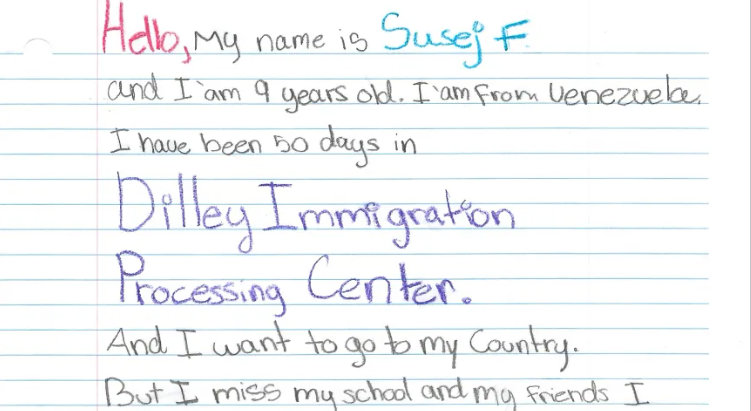
According to letters from children living in an ICE detention facility, living conditions are inhumane and their mental health is suffering.

In Teens, Social Anxiety Often Looks Like Anger
A study finds that some teens’ aggressive behavior may be due to social anxiety, not straightforward reactivity.
Expert Calls for Harm Reduction, Not Punishment, to Resolve Our Overdose Crisis
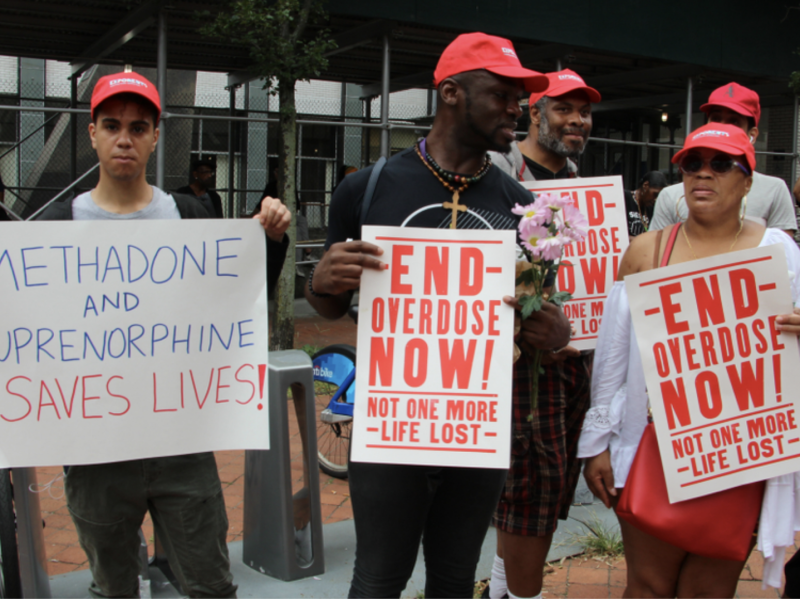
As the Trump administration pulls funding from harm reduction, an expert on the overdose crisis says it’s the best way to save lives.
