
‘Sanewashing’ Trump’s Dementia and Mental Illness
Dr. John Gartner says that Trump’s dementia and mental illness is a threat to democracy.


April 2, 2025
By Courtney Wise

Greetings, MindSite News readers. In this edition, we bring you an exclusive interview with psychologist Dr. John Gartner of Duty to Warn about what he describes as Trump’s “unmistakable” signs and symptoms of dementia and severe mental illness. And he has some chilling observations about Elon Musk as well.
In today’s Daily, we also take a close look at what Robert F. Kennedy, Jr. is launching in his plan to “Make America Healthy Again,” as well as his earlier proposal of “wellness farms” to treat children and adults using prescription psychiatric medications or struggling with addiction. We revisit retirement, too: It’s something many working Americans look forward to, but they need to protect their cognitive health, too.
But first, an invitation to help ProPublica with an investigation: As the National Institutes of Health is forced to cancel grants that don’t align with the Trump Administration’s priorities, ProPublica is seeking to hear from researchers whose work is being impacted. If you’ve worked on a now-terminated NIH grant, this is an opportunity to share your story.
‘Sanewashing Trump’s dementia and mental illness’: An interview with Dr. John Gartner of Duty to Warn

At MindSite News, we recently sat down for a Zoom call with Dr. John Gartner, a prominent psychotherapist and author who has practiced in Baltimore for 35 years and taught part-time at Johns Hopkins University Medical School. The founder of Duty to Warn, a group of mental health professionals and laypeople dedicated to warning the public of impending danger, he is also co-host of the Shrinking Trump podcast with Dr. Harry Segal of Cornell University. Our talk focused on what Gartner views as Trump’s accelerating dementia and mental illness, his “sadistic” war on immigrants and democracy, and the psychopathology of Trump’s cabinet and DOGE team.
“Like Trump, Elon Musk is a sociopath,” Gartner said. “He feels no remorse in inflicting pain on people; in fact, he feels a sense of glee and mastery in doing it. He was joking about using a chainsaw (to cut federal jobs), holding one up and laughing about it…about taking away the livelihoods of hundreds of thousands of innocent people. He’s a monster.”
Both Trump and Musk take a “sadistic, almost satanic” pleasure, he said, in mass firings and wrecking the federal government, Gartner said, adding that the press has sanewashed Trump for years, to the country’s detriment. “I’ve long said that Trump is America’s Hitler, and the immigrants are the new Jews. He is persecuting immigrants the way that Hitler persecuted Jews, and we are watching our society do nothing to protect them.”
As Gartner sees it, the situation is increasingly dire.
“One analogy for what’s happened is cancer,” he said. “Our country has advanced cancer. We had a chance to remove the cancerous tumor and we didn’t. And now it has metastasized. The DNA of our country is changing because the cancer cells start infecting other cells and altering their DNA. It’s like that zombie movie where people are being infected and becoming monsters. So we’re becoming…. the whole country is becoming more Trumpian, and this is actually what happened in World War II.”
Don’t miss this important conversation – read the entire interview here and feel free to share it.
— MindSite editors
Could we soon see “wellness farms” rolled out by RFK Jr.?
Days ago, Secretary Robert F. Kennedy, Jr. shuttered the Office of Infectious Disease and HIV/AIDS Policy. Closure of the Office of Minority Health is to follow. The changes – part of a plan to cut 20,000 jobs in the department of Health and Human Services, or nearly 25% of its workforce v has caused immediate backlash and worry, with some viewing it as yet another attack by the Trump Administration on the LGBTQ community. It also left people of color bracing for the impact of RFK Jr.’s racist, scientifically-disproven ideas. What could be next? Wellness farms, where RFK Jr. believes addiction and mental illness can be resolved with fresh air and hard work, according to The Cut.
Kennedy first proposed “healing camps” two years ago, while running for president. The camps would operate in rural communities, where children struggling with addiction and those taking prescription medications for psychiatric conditions could detox while growing organic foods. There, he said, they could “find themselves again and come back and become contributing members of society.” Later on, Kennedy reintroduced the idea as “wellness farms” to serve children and adults.
Though he has not stated attendance to such camps would be mandatory, our nation’s history of forcing groups from their homes, like the federal government’s “reeducation” initiative for Native children, internment camps for Japanese Americans, and even chain gangs that disproportionately affect Black Americans, leaves room for speculation. That concern is amplified considering RFK Jr.’s belief that wellness farms may be especially helpful for Black children, as he stated on a podcast last year, saying, For “every Black kid (it) is now just standard put on Adderall, on SSRIs, benzos, which are known to induce violence, and those kids are going to have a chance to go somewhere and get re-parented.”
The problem, Kennedy said, is psychiatric medications are overly prescribed, inherently addictive and harmful, and even connected to school shootings. While conversation has arisen in recent years among scientists about the frequency at which doctors prescribe antidepressants and other psychiatric medicines, Kennedy’s view of what is happening is not based in fact. Further, history shows that while such therapeutic camps were popular roughly 40 to 50 years ago, the lack of regulation over them allows them to operate without licensed addiction or mental health professionals.
Claire Clark, a behavioral scientist whose research includes the history of therapeutic communities, told The Cut that it’s unlikely wellness farms, in the way Kennedy has proposed them, could remain voluntary and attract enough people to stay open. “Historically,” she said, “people don’t go to these places willingly.” David Herzberg, who studies drug policy, was more blunt. The farms are “an abuse potential nightmare” placing “vulnerable young men and women to be in secluded places where people have enormous power over them.”
(To look at how such secluded camps and other psychiatric rural facilities for troubled kids and teens have played out in the past, read MindSite News’ series on the troubled teen industry and the survivors’ movement to shut it down.)
Protect your brain in retirement by planning for it
We’re taught to look forward to retirement — and having worked since age 14, I certainly do. But science shows that if we don’t properly plan for the big changes it can bring, our cognition will suffer. A daily work life requires a steady morning routine, regular interaction with others and critical thought and skill in navigating challenges that may present during the work day. Retirement ends all of that. Without a place to transfer that energy and activity, our bodies and brains go into “power save” mode, reducing performance capacity in areas where they’re “no longer needed,” said Ross Andel, a professor in cognitive aging and retirement to the New York Times. “All of a sudden, after 50 years, you lose that routine…That’s when you see the deterioration and its natural response to inactivity.”
Two separate studies in Europe, one focused on an analysis of 8,000 retirees, and another which surveyed 3,433 civil servants at certain intervals before and after retirement, found that people’s verbal memory, or the ability to recall a set of words after a specific amount of time, declined faster after retirement than when they were working. Research also shows that retirement can affect mood. The drastic shift from a “busy work life to a lack of engagement can exacerbate feelings of worthlessness, low mood, sadness” and “severe depressive symptoms and memory loss,” said Xi Chen, a Yale professor who studies aging.
What work people did, and how they felt about it, can also impact cognitive decline. People who leave high-ranking roles tend to struggle more, Chen said, likely because their identities were more intensely tied to their careers. “People may have felt their purpose was contributing through work, and when that’s taken away, they have to invent something else to take its place,” said John Beard, a professor of productive aging at Columbia University Medical Center.
A proven way to avoid — or recover from — retirement-induced mood and cognitive decline is to plan ways to stay socially and intellectually engaged. Our brains, like our muscles, can regain strength after periods of inactivity, even as we age, said Giacomo Pasini, an Italian researcher studying how economic policy affects seniors’ mental health. (Planning is way better, though, Andel said.) If you don’t yet know what to do, consider retirement life’s offer to explore new hobbies, interests and social activities. Volunteering is a great way to make new friends and remain intellectually engaged, without the stress of work, Chen said. Retirees who volunteer show slower rates of aging, too. Whatever you choose, shared time with others must be a priority. “We have rather solid proof,” said psychology researcher David Richter, “that first social contacts are reduced, and then cognition declines.”
In other news…
The trouble with SignalGate: “It is a big story that the most senior members of the Trump administration… discussed classified war plans for Yemen on a publicly available messaging app – Signal! – a massive breach of national security,” wrote former MSNBC broadcaster Mehdi Hasan on his new platform Zeteo. But, he asks, ”Why does the mainstream media continue to focus only on the rights and wrongs of using a messaging app for sharing war plans, while burying any real discussion about the rights and wrongs of those war plans themselves?” The Signal chat revealed, he says, that the bombing of Yemen that the US carried out was a war crime: The Trump staffers on the chat, including Pete Hegseth, agreed to bomb an entire residential building to kill one man, a crime under international law. They also agreed that it wasn’t urgent to do so. As Hassan concluded, “the media is more outraged by US officials using a messaging app to discuss war plans than the actual illegal and brutal war itself.” – D. Hembree
With the recent release of her single, “Anxiety,” musician Doechii has also launched Anxiety Is Watching Me, an initiative designed to connect people to resources to support their mental health. “Doechii has experienced the challenges of anxiety firsthand and is using her platform to provide resources that can help you find guidance and tools to support your mental health,” the site reads. Links on the site are organized into various sections for Black and Brown people, LGBTQIA folks, and even people in 10 different countries.
In the two months since Donald Trump has been president for the second time, our nation’s mental health professionals have encountered more clients coming to them to express frustration or despair about decisions made by the Administration. One couples counselor, Nicole Van Ness, told the Texas Monthly the disputes her clients bring have noticeably changed. Marriages aren’t sexless because of an unequal division of labor and one-sided emotional load. Rather, wives trust Fauci and husbands trust Trump. “It’s no longer ‘You and I have different world views,’” Van Ness said. “It’s ‘your support of one side or the other represents this thing to me that is morally reprehensible.’” The shift is taking a toll on therapists too, with many uncertain how to proceed when they feel so strongly one way or the other themselves. Should they share their personal politics with patients? No available guideline offers a directive.
If you or someone you know is in crisis or experiencing suicidal thoughts, call or text 988 to reach the 988 Suicide & Crisis Lifeline and connect in English or Spanish. If you’re a veteran press 1. If you’re deaf or hard of hearing dial 711, then 988. Services are free and available 24/7.
Recent MindSite News Stories
SAMHSA Firings Continue, Devastating U.S. Mental Health Agency

Employees of SAMHSA, the federal agency responsible for leading the nation’s response to the mental health and drug overdose crises, were among those terminated this morning in the latest round of mass firings implemented by the Trump administration. Continue reading…
Surviving Solitary: People Who Endured Prolonged Isolation Push for Mental Health Care
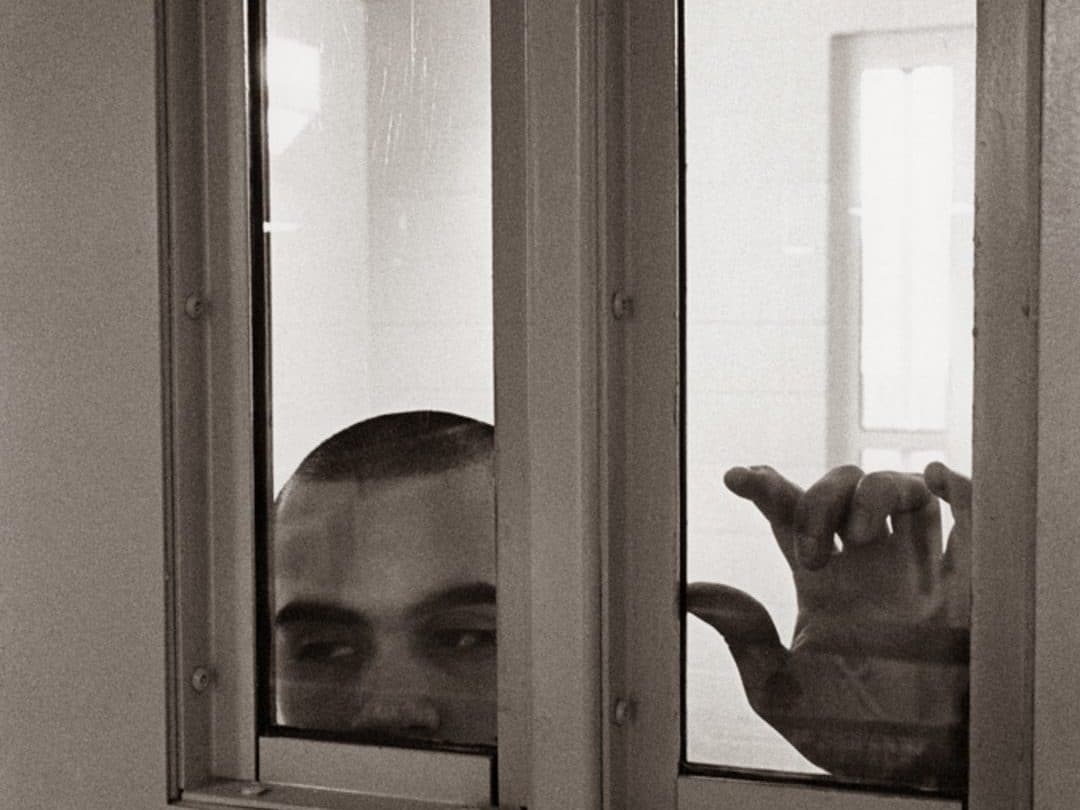
Part 2 of this series looks at the forms of mental health care and support that can help people who have been subjected to solitary confinement cope with their trauma and adjust to new lives.
If you’re not subscribed to MindSite News Daily, click here to sign up.
Support our mission to report on the workings and failings of the
mental health system in America and create a sense of national urgency to transform it.
For more frequent updates, follow us on Facebook, Twitter and Instagram:

The name “MindSite News” is used with the express permission of Mindsight Institute, an educational organization offering online learning and in-person workshops in the field of mental health and wellbeing. MindSite News and Mindsight Institute are separate, unaffiliated entities that are aligned in making science accessible and promoting mental health globally.
Copyright © 2021 MindSite News, All rights reserved.
You are receiving this email because you signed up at our website. Thank you for reading MindSite News.
mindsitenews.org

The name “MindSite News” is used with the express permission of Mindsight Institute, an educational organization offering online learning and in-person workshops in the field of mental health and wellbeing. MindSite News and Mindsight Institute are separate, unaffiliated entities that are aligned in making science accessible and promoting mental health globally.


Author

Related Articles
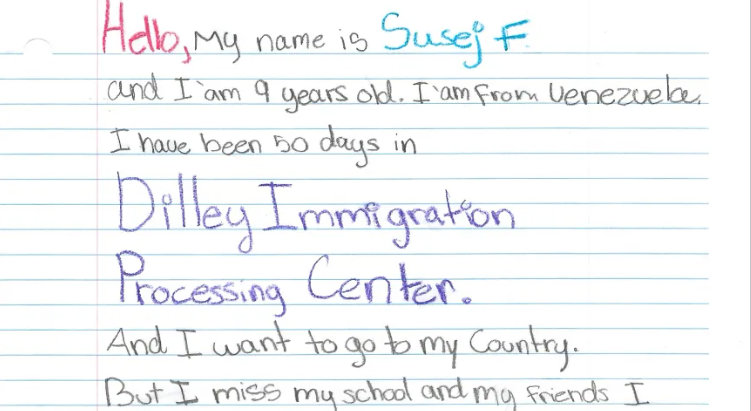
Health Organizations Condemn Traumatic ICE Raids, Family Separation
According to letters from children living in an ICE detention facility, living conditions are inhumane and their mental health is suffering.

In Teens, Social Anxiety Often Looks Like Anger
A study finds that some teens’ aggressive behavior may be due to social anxiety, not straightforward reactivity.
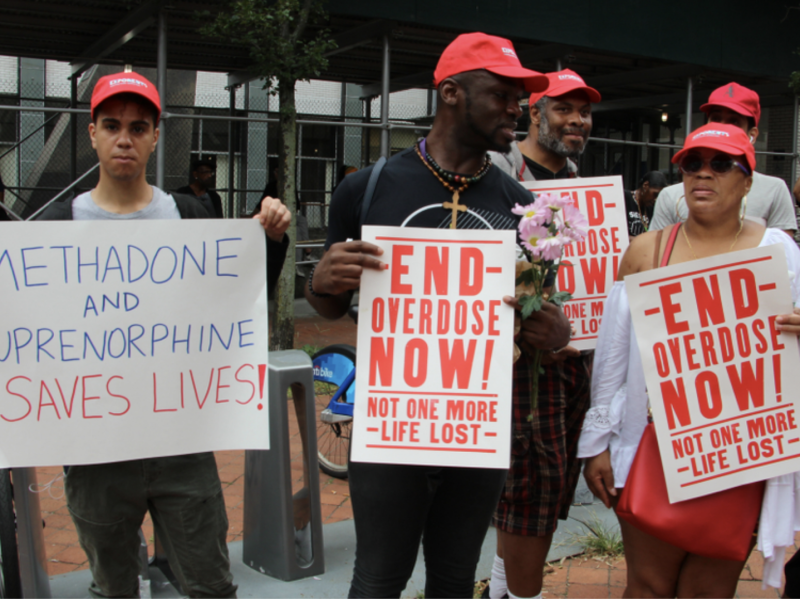
Expert Calls for Harm Reduction, Not Punishment, to Resolve Our Overdose Crisis
As the Trump administration pulls funding from harm reduction, an expert on the overdose crisis says it’s the best way to save lives.
