
Zombies No More: Former Foster Youth Reflect on Their Medicated Childhoods – and New Ways They Heal
Four former foster youth, now adults, talk about how psychiatric medications impacted their childhoods, and how they since have healed.

In this fourth installment of a multi-part series, Medicated in Foster Care: Who’s Looking Out?, we hear from young adults prescribed heavy doses of psychotropic medications in Los Angeles County more than a decade ago. The series comes from The Imprint, a national nonprofit news outlet covering child welfare and youth justice. Read part 1 here, part 2 here, and part 3 here. Sign up for The Imprint’s free newsletters here.
Tomorrow from MindSite News: a further look at alternatives to medications for supporting the needs of foster youth.
Lethargic. Sluggish. Dizzy. Woozy. Destabilized. That was life in foster care on sedating psychotropic drugs.
With clearer vision these days, four young adults spoke to The Imprint about how psychotropic medication use affected their tumultuous childhoods – beginning with what they saw as rash and improper diagnoses and leading to punishing side effects. The drugs, which range from stimulants and antidepressants to mood stabilizers and antipsychotics, are designed to treat adults with conditions such as ADHD, schizophrenia and bipolar disorder.
In a series of interviews, the former Los Angeles County foster youth shared what was going on in their lives when psychotropics were prescribed, and their hope that traumatized kids growing up in the system today be offered alternatives to medication.
Finding sparks to fly: Mercedes Jackson

Not long after she entered foster care at age 12, a psychiatrist prescribed the antipsychotic Seroquel for Mercedes Jackson. That made breakfast at her foster home a challenge.
She recalls stumbling into the kitchen, barely able to walk, on one sunny Los Angeles County morning. Too tired to dish out a bowl of oatmeal from the stove, she brought the whole pot back to a La-Z-Boy recliner. Even then, her limbs leadened, it took several minutes of straining to lift the serving spoon to her mouth. Exhausted, she fell asleep after only a few bites.
Jackson, now 26, said this experience is a “core memory” of a childhood spent in and out of the foster care system.
“I just felt so defeated, like I was not in charge of my life at all, and also like no one cared when they saw me like this,” she said.
After an attempt to reunify with her mother failed at age 15, Jackson ended up back in the system. This time, she was sent to live at a series of group homes where she described psychiatric drugs as compulsory — staff would administer heavy-duty drugs in the morning and check whether young people had swallowed them.
The prescriptions had “a kind of domino spiral effect on my life,” Jackson said. Sometimes she was too tired to make it out of the van that would ferry her and other kids to school in the morning. Her moods still spiraled. She felt labeled as a “bad kid.” And sudden weight gain resulting from antipsychotics she was given further destabilized her teenage years. Soon after, Jackson dropped out of school.
Fortunately, she was able to find her way as a young adult. She went back to finish high school online and is now attending Mt. San Antonio College, with her sights set on UCLA next year. She is now a seasoned advocate for other foster youth and a member of the Los Angeles County Youth Commission, which advises the county board of supervisors.
Jackson said foster youth need better access to alternative therapies beyond talk therapy. In her case, it was hard to open up to therapists who she didn’t believe actually cared about her.
She proposes meditation, music and exercise as more effective approaches.
As a young child before all the sedating meds, Jackson said she loved to play and be physically active. It made her feel better. She wants more foster children granted access to individualized approaches that would best serve them in desperate times.
“When I did things like dance or play sports, or something creative,” Jackson recalled, “oh my God, I could literally feel the sparks flying out of my body.”
‘You’re just drugging them up’: Shi’Ann Taylor

After being removed from her mother’s home at age 13, Shi’Ann Taylor spent her five years in foster care on the antidepressant Trazodone and the antipsychotic Seroquel. The combination made her feel woozy and a little high at times, she said. Even on the drugs, her moods would swing from aggressive to “down and grumpy.”
Bouts as a runaway ensued, as well as altercations with sheriffs who mistook her drugged state for defiance, pushed her to the ground and dragged her off to juvenile hall, she recalled. Struggling with intense loss and maltreatment at home, a psychiatrist eventually diagnosed Taylor with anxiety and PTSD — after-effects she said resulted from her life before and during her time in the child welfare system.
“We need to take foster care for what it is — a traumatic experience,” she said. “You can’t expect somebody to go straight from your parents into foster care and act completely normal, and be ready to obey all the rules that you have set for them.”
Taylor, now 27, said her aggressive behavior led to other run-ins with the law and placements in group homes and the Dorothy Kirby Center, a locked facility for girls in Los Angeles County’s juvenile justice system.
In these facilities, not taking potent medications carried consequences, such as a loss of visitation privileges or a reduction in food allowances. Many times, the girls placed there would sell or trade their drugs, leading to fights and chaos, she said. Taylor recalled being so sleepy from her medications that she would miss her morning classes, leading to more punishment.
Taylor stopped taking the psychotropic medications when she left the facility at age 18, after a social worker dropped her off at a family friend’s house with a 30-day supply.
Foster youth are dealing with so many battle scars, and the first step is always to medicate them. But it’s really hard for them to address their trauma if they’re just numb to it.”
Eve Valdez, former foster youth
Despite housing insecurity in her early adulthood, her prospects have improved. Taylor said she walked into the Los Angeles Trade Tech College a couple years ago and asked what options she might have there. When a school administrator suggested carpentry, she took him up on it, and now works in lead abatement and construction.
Taylor wants foster youth provided with better tools and a wider range of treatment alternatives than she had access to.
“A lot of foster kids are improperly diagnosed based on their behavior,” she said. “Instead of talking to them or teaching them communication skills, you’re just drugging them up, which is not teaching them anything.”
Losing who you are: Jennifer Myers
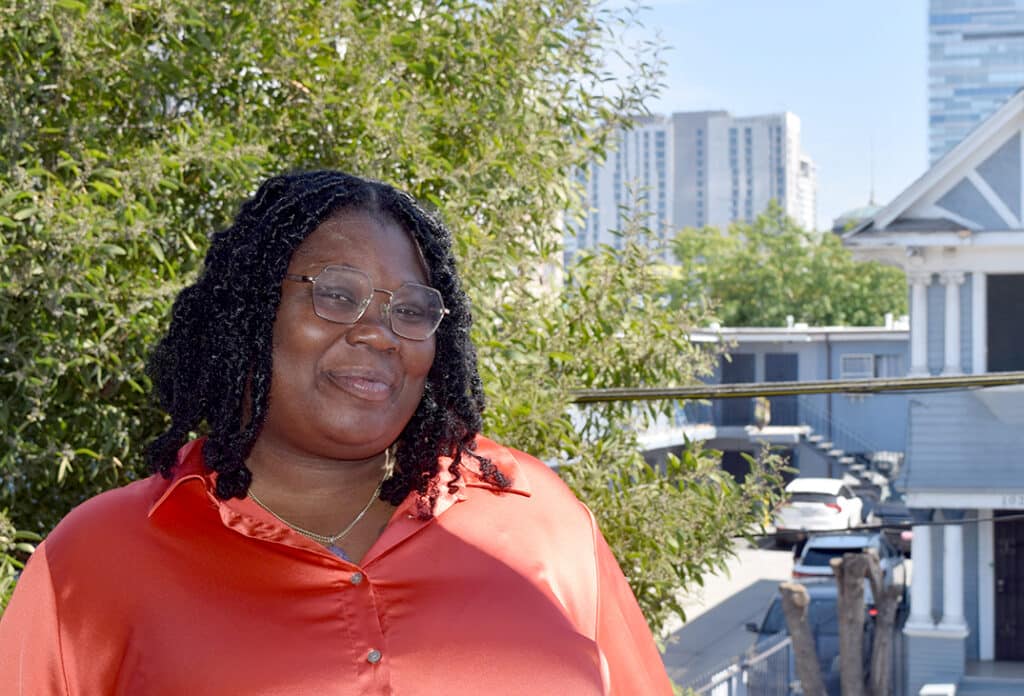
Jennifer Myers was born with illicit drugs in her system and lived with an aunt until age 10. After experiencing abuse in her home, Myers was placed — with no warning — into a foster home with people she didn’t know.
During the next four years, Myers said she was prescribed antidepressants and antipsychotics for manic depression before receiving medications for PTSD, ADHD and anxiety. But the psychotropics did little to address feelings of rejection and abandonment and simply worsened her struggles.
“When you’re prescribed so much medicine, you lose yourself; you lose who you are,” said Myers, now 29. “It starts because you’re jittery or acting antsy every day, but they make your mental health even worse.”
Myers said her tumultuous path led to 62 different stays in foster homes, hospitals and group homes. She also survived experiences with sex traffickers. She kept running away, only to return to more and more restrictive group homes. The medications continued all the while, making her feel sluggish and like she couldn’t make sense of her emotions.
When she was 14, Myers lived with an older sister. At that time, she was taking two doses of lithium a day and developed painful side effects, she recalls. Her sister told her to stop taking the medications.
These days, Myers wonders whether her time in foster care could have been different if more adults had listened to her instead of simply dosing her up. When Myers entered the system, she said, her caregivers never asked about the trauma she had endured. And once she was medicated, she said she was never asked how the prescriptions made her feel and whether they were helping.
“When you’re in foster care, you’re always a backseat rider,” she said, “never the driver.”
‘I’m not scared anymore’: Eve Valdez
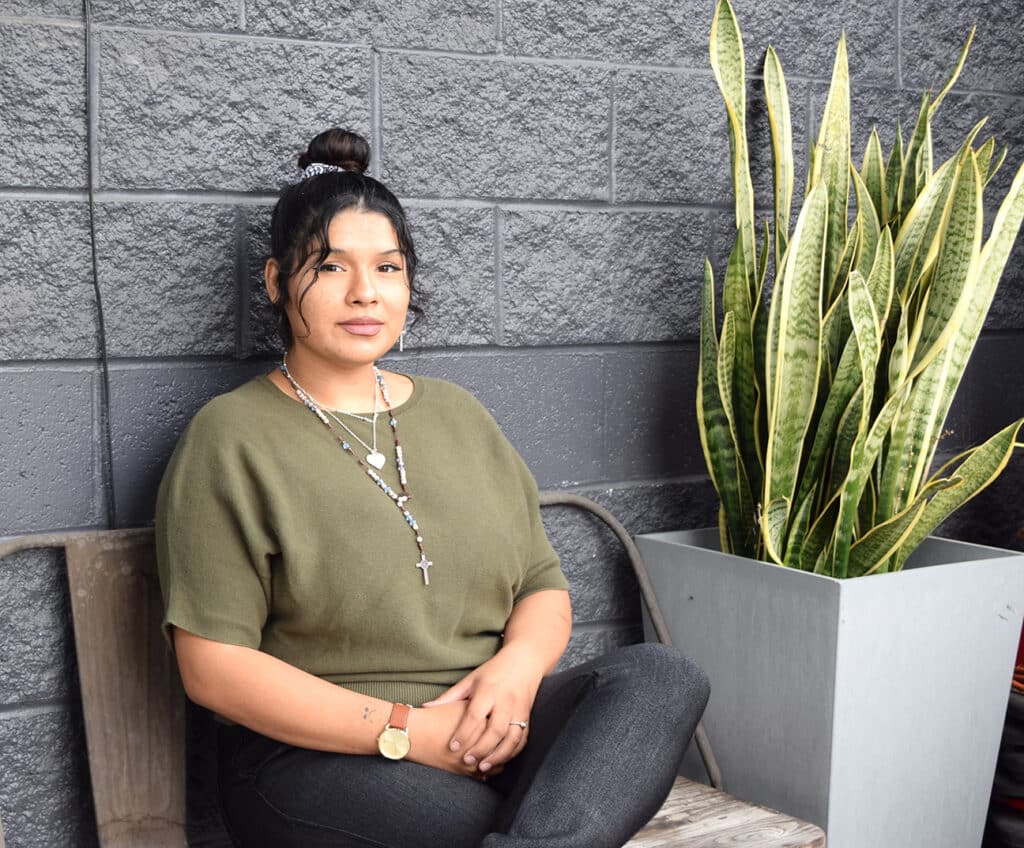
For Eve Valdez, a young mother of three, healing has been a lifelong process.
Psychotropic medications have been a constant since middle school, Valdez said. At first she started with antidepressants such as Limbitrol and Zoloft before moving on to tranquilizers and other stronger medications to treat depression, bipolar disorder and PTSD.
As a young adult in extended foster care, Valdez had tried to stick with a regimen of antidepressants. But they caused her to be drowsy, and sleeping for 12 hours a day made it difficult to pursue school, her job and the duties of being a mother.
Now 24, she’s made a conscious effort in recent years to address her traumatized past by exploring different ways of taking care of herself: vitamins, geocaching, coloring books, aromatherapy.
“Foster youth are dealing with so many battle scars, and the first step is always to medicate them,” Valdez said. “But it’s really hard for them to address their trauma if they’re just numb to it.”
Valdez has been seeing therapists regularly since a court order at age 9. They hadn’t made much difference until this year, when one of her clinicians proposed EMDR. The treatment technique known as Eye Movement Desensitization and Reprocessing is a psychotherapy that allows patients to heal from the symptoms and suffering resulting from traumatic experiences. Through the use of either light devices to guide a patient’s eyes or tapping motions on their hands, arms or thighs, this specialized therapy works to retrain how the brain processes traumatic memories.
In just three sessions, Valdez said she’s seen a significant reduction in PTSD symptoms, despite revisiting some painful memories.
During one session, Valdez focused on her memories of her second foster home placement at age 8. She remembers crying every night, feeling utterly alone. Her mother was absent and on drugs, and her grandfather, who she’d been living with, had just passed away.
It was during these sessions that Valdez recalled hearing the sound of a bird, or maybe an owl. That sound became buried in her psyche, she said, and associated with profound sadness.
With her memory reprocessed through EMDR sessions, Valdez said she’s learned how to turn that once-mournful sound into a strength.
“Now I understand that I’m able to be independent,” she said. “I’m not scared anymore, and I have the ability to get through anything on my own.”
The name “MindSite News” is used with the express permission of Mindsight Institute, an educational organization offering online learning and in-person workshops in the field of mental health and wellbeing. MindSite News and Mindsight Institute are separate, unaffiliated entities that are aligned in making science accessible and promoting mental health globally.


Author

Related Articles

Collateral Damage: The Emotional Toll of Trump’s Immigration Policies on Asian Children and Families
An investigation into the trauma caused by ICE and its potential long-term harm in Asian youth.
Troubled Teen Industry Rocked by Lawsuits, Sexual Assault Charges
One of the nation’s largest behavioral health hospital chains continues to face legal scrutiny for alleged patient abuse and negligence.
Despite Crisis Training for Mental Health Emergencies, Many Chicago Police Officers Still Resort to Force
Last year, 169 police officers who received crisis training used force at least once during a mental health-related incident in Chicago.
