
Trump Cuts Federal Funds for PBS, but Elmo and Friends Aren’t Worried
Despite significant federal budget cuts impacting PBS, Sesame Street has found a new friend in Netflix. Plus, how Project 2025’s impact on federal workers’ mental health is escalating, alongside concerns for teens facing deportation.


Greetings, MindSite News Readers.
In today’s Daily, we’re leading with some good news: After brutal federal cuts to PBS, Elmo and friends find a new friend in Netflix. Project 2025’s mission to traumatize federal workers has driven one parent to suicide – and damaged the mental health of thousands of others, and the Trump administration’s efforts to deport teen “gang members” back to places they fled threatens their lives. Plus, the wrong ways to motivate a kid and tips from a licensed professional on dating after trauma.
Sesame Street is headed to Netflix – and can still be watched for free on PBS

It’s not over for Elmo and his pals just yet! When HBO Max announced it was ending its relationship with Sesame Street, it seemed the show might end. But a partnership with Netflix will keep them on the air, according to the Hollywood Reporter. New episodes, due later this fall, will appear on PBS stations and the PBS Kids app the same day they do on Netflix – a notable improvement from the Warner Bros. Discovery deal, which left episodes exclusive to HBO, behind a paid subscription, for months. Netflix’s press release says it’ll bring “critical early learning to children throughout the country for free.”
Sesame Workshop’s CEO, Sherri Westin, noted the partnership’s ability to reach new audiences “with Netflix’s global reach,” and PBS CEO Paula Kerger said: “I strongly believe that our educational programming for children is one of the most important aspects of our service to the American people, and Sesame Street has been an integral part of that critical work for more than half a century. We’re proud to continue our partnership [and to have] a profound impact on the lives of children for years to come.”
“We want to put them in trauma”: Project 2025’s goal was to vilify federal workers. Some parents have already died.
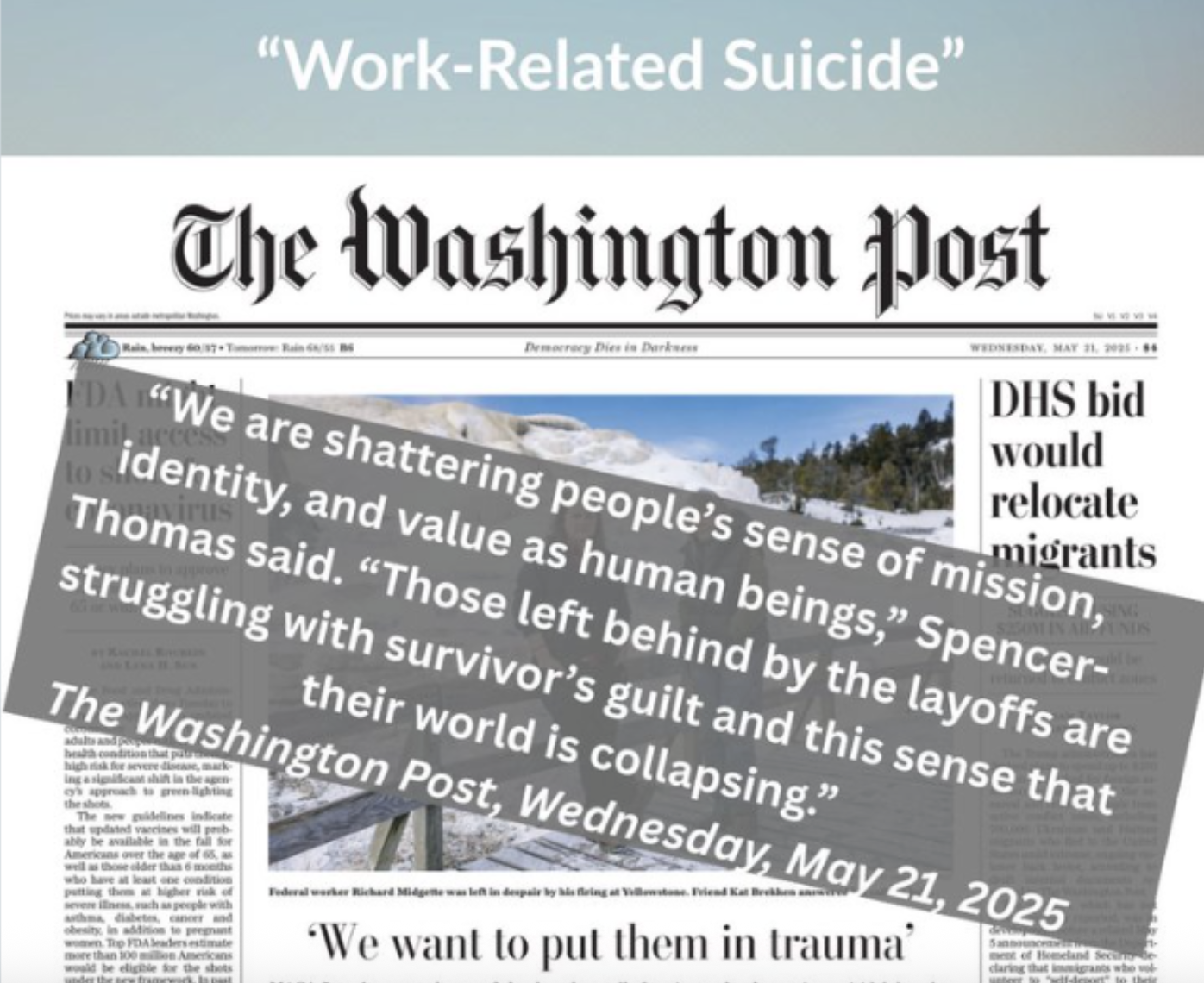
Two years ago, Project 2025 co-author Russell Vought described his vision for federal workers’ lives. “We want the bureaucrats to be traumatically affected. When they wake up in the morning, we want them to not want to go to work because they are increasingly viewed as the villains. We want to put them in trauma.” Vought now directs the nation’s Office of Management and Budget, and The White House is implementing that plan with chilling effectiveness. Federal employees aren’t just dreading going to work – some have already lost their lives from the stress.
In interviews with the Washington Post, 30 current and former federal workers attested to feeling devalued, exhausted, and afraid for themselves and the country in the shadow of government dysfunction and mass firings. “You spend every day worrying about those under you,” said one manager for the Department of Veterans Affairs. “The depression now is worse than during my divorce, worse than when my mom died of cancer.” Some described a sudden mental decline, unlike any they’d ever had, marked by insomnia, panic attacks, and suicidal thoughts. Others, with a history of mental and physical health struggles, didn’t survive. One 53-year-old woman collapsed at her desk from a heart attack and died.
Caitlin Cross-Barnet, a mother of three, died by suicide this February. She’d spent 12 years as a researcher for the federal government, working on small changes to Medicaid that could both produce better patient outcomes and save taxpayer money. The Trump government’s cuts and attacks on DEI – hurting the health outcomes she’d worked hard to deliver – came on top of family challenges and a recovery from a hysterectomy. She had struggled with depression in the past, but hadn’t attempted suicide before. “All the progress she worked for, suddenly it felt like it was unraveling,” said a co-worker, speaking anonymously out of a fear of retribution.
Experts on workplace mental health told The Washington Post that these psychological tactics mirror a 2004 scheme from the leaders of what was then called France Télécom. There, executives wanted to cut 22,000 jobs, but French laws wouldn’t allow them to outright fire many of those workers. So, the CEO implemented a plan to “get people to leave one way or another, either through the window or the door.” 35 employees killed themselves.
Research has found that sudden job loss increases the risk of depression, anxiety, and suicide. Even federal employees still in post spoke of survivor’s guilt, a constant fear of being cut next, and a loss of purpose. “Federal workers aren’t just numbers on a spreadsheet,” one unnamed employee at the National Institutes of Health emphasized. She’d found her work patterns and security there helpful for managing her bipolar disorder. Now though, her suicidal ideation is so strong that she and her husband have put a safety plan in place to keep her alive. “We’re real people with families who are hurting and, in the worst cases, dying. Why don’t people out there see that? Why doesn’t anyone care?”
Read the Washington Post’s tour de force story here.
Teen ‘gang members’ are being deported directly into danger
I remember working on a story many years ago in a small library in San Francisco, an old marble stone building in the Mission District with a cheerful interior. A young Latino teen at my table, who looked about 12, asked if I could help him with his homework assignment: “A Walk in My Neighborhood.” He was writing about his old home in El Salvador, he told me. I glanced over his large but neat handwriting: “I took a walk in my town. I walked by a field. I saw a head on a stone wall…” “Ah,” I said, hoping to help him with prepositions: “I think you mean a head over a stone wall.” “No,” he said politely, he meant a man’s head on a stone wall – “just the head, no body.” Everything I had read about El Salvador rushed back to me: the war, the kidnappings and torture, the disappearance of political prisoners. I was sorry, I told him. “Do you want to talk about it?” “Maybe not right now.”
The political violence in Central America, linked to our covert wars there that led to the displacement of indigenous communities, is still ongoing. For many parents in the U.S., it’s hard to imagine our children seeing such horror, or being threatened with the death of a sibling if they don’t join a gang. But that reality forces many children in Central America into gangs of smugglers. And for those who have fled to the U.S, being deported back means a return to that grave danger.
Award-winning journalist Susan Ferriss, a senior editor at the Pulitzer Center and an advisory board member to MindSite News, has written scores of eye-opening stories on life-or-death migration, child-parent separation, asylum system failings and what can happen to teen “gang members” from Mexico, El Salvador, Guatemala and Honduras, both while fleeing to the United States and if they are deported back to their home countries. (Trigger warning: these stories contain graphic images of violence and murder.)
In one article, Ferriss tells the story of Edgar Chocoy, who fled to the United States from Guatemala to escape the gang who had recruited him when he was 10 and was later sent back, where he was killed. He didn’t like the violence the gang perpetrated, but they told him he’d die if he left, so he fled to the United States at age 14 to join his mother.
He couldn’t get into a new high school because of his tattoos, and was eventually deported when the Department of Homeland Security overruled a decision to send him to his aunt, a legal U.S. resident. As the article continued: “Immigration Judge James Vandello noted that Edgar ‘told his story honestly and directly’” But while the boy had ‘taken steps to do something with his life,’ the judge said, these steps came ‘very late, and I find his past speaks more loudly than his present attempt at rehabilitation.’
“Edgar chose not to appeal, telling his lawyer he might commit suicide if he were locked up much longer.
“Huddled in her tiny home in Villanueva, Hortensia Guzman, Edgar’s aunt, said she is afraid of the gang members she believes killed her nephew. She said Edgar was so frightened after he was sent back to Guatemala that he went out only once — when he rode his bicycle to buy a soda and watch a religious procession. He never came back.”
Although this story was written nearly 20 years ago, history is repeating itself. A 2020 Human Rights Watch report found that more than 200 migrants sent back to El Salvador by the U.S. had been killed or tortured and sexually abused: It’s worth also looking at Ferriss’ report, A Life or Death Struggle for Asylum from Central America. It underscores the lack of choice for many “gang members” – having been recruited as children, and often kept in by threats.
– Diana Hembree
In other news…
Dating a trauma survivor: One of my favorite people is going through a divorce. Amid all the grief, it’s hard for them to picture another partnership in their future. It’s hard to trust yourself again, especially if you’ve survived trauma in a previous relationship. So this episode of Dr. Thema Bryant’s podcast, Homecoming, about dating a trauma survivor, comes right on time – even, and perhaps especially, if you’re the trauma survivor in the dynamic. Bryant, a licensed psychologist, author, and past president of the American Psychological Association, is a trauma survivor and divorcee. She brings all of that experience into the episode to offer guidance on setting boundaries, addressing conflict, and approaching intimacy with respect and care.
The wrong way to motivate a kid. “When children fall short, many parents’ instinct is to take away something they love. That’s the wrong impulse,” says Russell Shaw in The Atlantic. An educator and father of three kids, Shaw says that while he can certainly understand that instinct, “my experience working with children, along with plenty of research on resilience, has taught me a valuable lesson: When a kid is falling short, penalizing them by taking away the thing they care most about is not the way to motivate them…It’s to recognize, cultivate, and build on their strengths—to identify what experts in child development call “islands of competence.”
Rather than focusing on weaknesses, Shaw suggests letting kids build on their strengths. “Again and again, I have watched actors in a spring musical find ways to lock in academically while managing long rehearsal nights, athletes whose social struggles turn around during their MVP season, and debaters who produce an excellent English essay while traveling back from a tournament. When young people have a sense of purpose or competence, when they have an “island” on which they can stand, this capacity frequently carries over to other parts of their lives.”
The name “MindSite News” is used with the express permission of Mindsight Institute, an educational organization offering online learning and in-person workshops in the field of mental health and wellbeing. MindSite News and Mindsight Institute are separate, unaffiliated entities that are aligned in making science accessible and promoting mental health globally.


Author

Related Articles
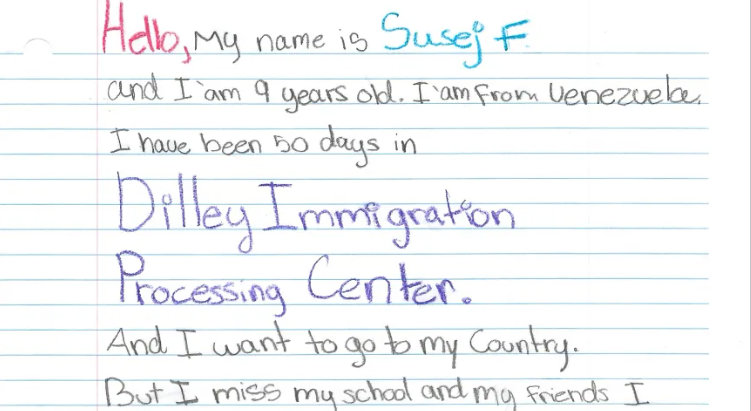
Health Organizations Condemn Traumatic ICE Raids, Family Separation
According to letters from children living in an ICE detention facility, living conditions are inhumane and their mental health is suffering.

In Teens, Social Anxiety Often Looks Like Anger
A study finds that some teens’ aggressive behavior may be due to social anxiety, not straightforward reactivity.
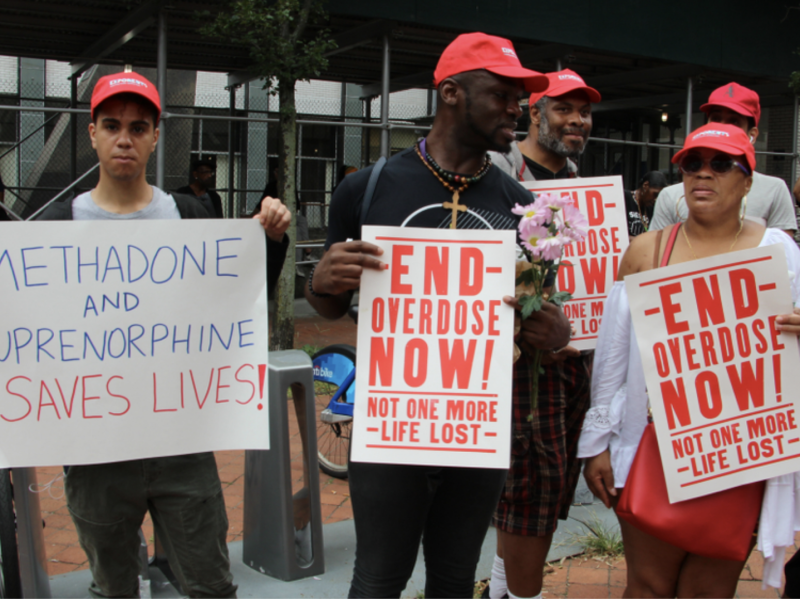
Expert Calls for Harm Reduction, Not Punishment, to Resolve Our Overdose Crisis
As the Trump administration pulls funding from harm reduction, an expert on the overdose crisis says it’s the best way to save lives.
