
Budget cuts could slash “baby bond” funds for COVID orphans
A first-in-the-nation program to create financial support for California children who lost parents to COVID may be trimmed under budget proposals put forward by Gov. Gavin Newsom.
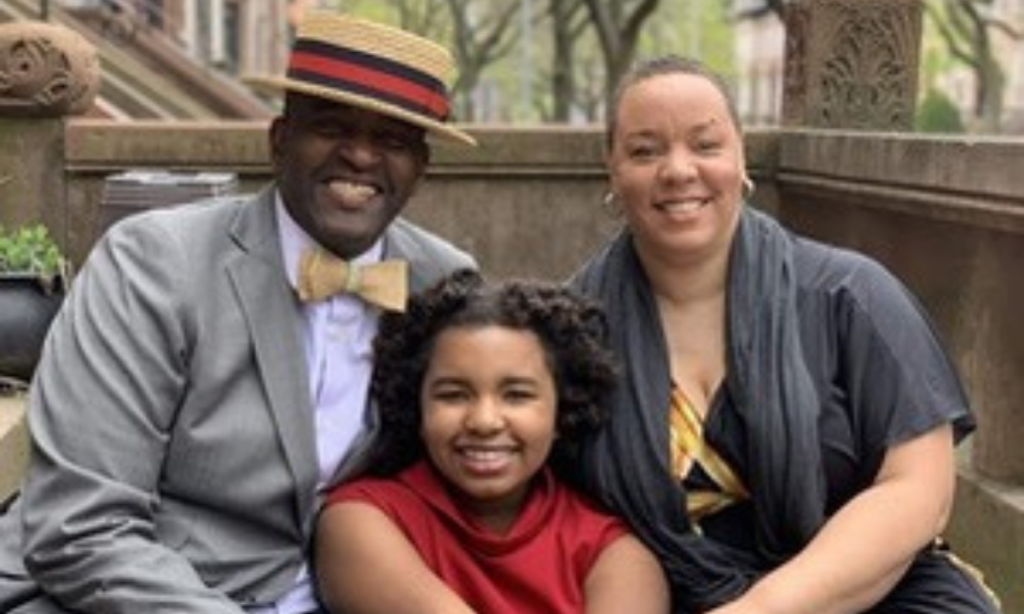
Just as California is poised to become the first state to provide financial support to COVID orphans that they can access when they turn 18, proposed state budget cuts threaten the scope of the program — and may reduce the value of an account young people like 16-year-old MacLemore Porter are slated to receive in less than two years.
During the pandemic, parental deaths rose by 46%, a loss that continues to impact children emotionally, educationally and financially, as MindSite News recently reported in Forgotten Children, a four-part series on child grief.
California responded to the needs of some of the state’s most vulnerable children by creating the HOPE for Children Trust Account Program, scheduled to launch in January 2026. It aims to provide financial support to about 10,000 children from low-income families who lost a parent to COVID, as well as children who spent at least 18 months in the state’s foster care system.
At 18, these young adults will be able to take over the “baby bond” accounts – which were projected to have $4,500 in them – keeping the money as an investment or spending it as they choose.
The HOPE board of directors and program staff spent more than two years designing the program, consulting an advisory board as well as a panel of teenagers. The fund was launched with a $100 million allocation in Fiscal Year 2022, and $15 million was included in both the 2023 and 2024 fiscal years, as well as the proposed budget for FY 2025.
But in mid-May, faced with a projected deficit of almost $12 billion, Gov. Gavin Newsom proposed a revised 2025-26 state budget that would take back half of the $100 million allocated in the first year. The proposed cut would thus require HOPE to return $50 million to the state’s general fund, potentially reducing the value of the accounts, according to HOPE director Kasey O’Connor.
The Assembly Budget Committee proposed trimming the cut to $40 million, as part of a larger budget proposal that still needs to be approved by lawmakers and the governor.
The budget cut “totally blindsided” advocates like Kristin Urquiza, founder and executive director of Marked By Covid, which calls itself a “justice and remembrance movement” led by Covid grievers.
“It’s really easy to forget that for low-income families, who were disproportionately impacted during the pandemic, losing a breadwinner—or in some cases, both breadwinners—not only leaves these kids vulnerable to the type of overwhelming grief that anyone would experience in losing a loved one, but to a lifelong setback financially,” Urquiza said.
While much of the country has moved on from the pandemic, the impact is still deeply felt by MacLemore Porter and her mother, Hillary, who live in the Monterey Bay area. Hillary’s husband, Lloyd, had been healthy when he contracted COVID in April 2020. His symptoms swiftly escalated, and he died at the age of 49.
“The pandemic, our isolation, our trauma — it changed us,”
—HILLARY PORTER
“We’re living the repercussions, surviving the repercussions of the situation, trying to move forward, but certainly it’s ever present,” said Porter, who also takes care of her 90-year-old mother.
The family anticipated MacLemore receiving the $4,500 in 2027, when she turns 18, helping her launch into adulthood, Porter said.
California legislators are pushing back on some of Newsom’s proposed cuts in a package slated to be voted on by both houses tomorrow. Negotiations with the governor may continue from there. Amid that uncertainty, HOPE staff were still assessing the potential impact on the HOPE program.
“My office remains fully committed to the HOPE Trust Account Program and to the children and communities it’s designed to support, including long-term foster youth and children who lost parents or caregivers to COVID-19,” California State Treasurer Fiona Ma said in a statement. “We will continue to champion this effort, and we remain on track for a program launch in early 2026.”
Meanwhile, Urquiza is among the advocates who are rallying support for the HOPE accounts. She said her efforts have generated more than 3,000 letters to legislators, including one from a mother in Los Angeles. “Taking this money is so short sighted,” she wrote. “It is a drop in the bucket for the state. But it is a lifeline for (the children).”
Beyond the money, the HOPE program is also a recognition of the loss that continues to affect families across the country. “The pandemic, our isolation, our trauma — it changed us,” said Porter. “We walk through life a little differently than we would have had we come through unscathed.”
The name “MindSite News” is used with the express permission of Mindsight Institute, an educational organization offering online learning and in-person workshops in the field of mental health and wellbeing. MindSite News and Mindsight Institute are separate, unaffiliated entities that are aligned in making science accessible and promoting mental health globally.


Author

Related Articles

1 in 8 Youth Turn to AI for Mental Health. ‘It Just Tells Me What I Want to Hear’
Youth with the deepest emotional needs are using chatbots for therapy the most – but many are unhappy with the outcome.
California Tribal Advocate Who Fought to Prevent Suicides Dies in Apparent Murder-Suicide
Celinda Gonzales of the Yurok Tribe worked to prevent suicides among Native Americans after losing a son and a brother. She “was a friend to many,” the tribe said.

Countering the ‘Dark Passions’
Across liberal democracies and nations, like the U.S., that are sliding out of the democratic zone, autocrats are weaponizing our most divisive emotions. In “Anger, Fear, Domination,” William A. Galston offers a guide to how these passions spread and what it takes to keep them from overwhelming us.
