Can a Ketogenic Diet Treat Mental Illness?
A growing body of scientific evidence suggests the ketogenic diet, long used to treat epilepsy, could be effective for treating schizophrenia and other psychiatric disorders and reducing the often debilitating side effects of antipsychotics.
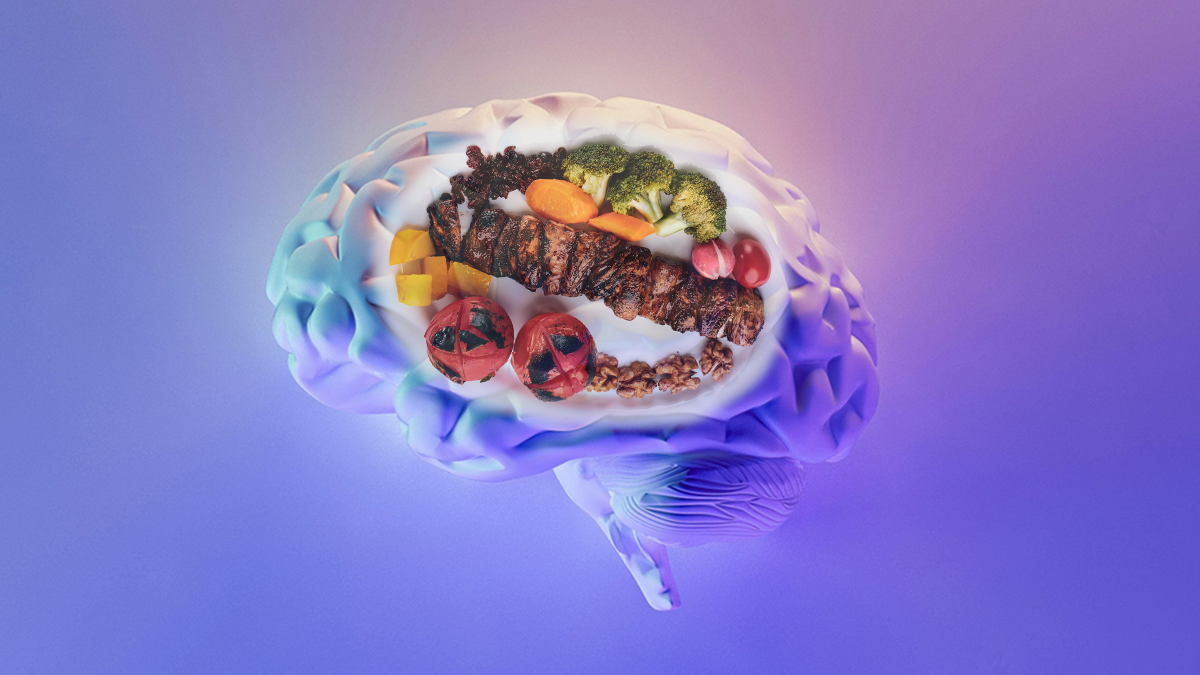
Once met with skepticism, ketogenic metabolic therapy is now gaining credibility
Lauren Kennedy West was still a teenager when she began to smell and hear things that weren’t there. Then to see things, too, that were invisible to others. Meanwhile, her moods began to intensify, sometimes turning very, very dark. “It was confusing, disturbing, and depressing,” she recalls.
She had periods of elation, too. But when she came down from these, she’d keep descending until she hit emotional bottom. It got so bad that in her early 20s, at college, Kennedy West tried to end her life twice. Finally, when she was 25, she was diagnosed with schizoaffective disorder, a form of schizophrenia with powerful mood swings. The medications she was prescribed eased her worst symptoms, she says, but they also had troubling side effects that ranged from extreme weight gain and “dry mouth” to feeling lethargic and an episodic condition called oculogyric crisis which causes people to continually, involuntarily, gaze upward. Worst of all, she says, was the feeling of being “emotionally blunted.”
Learning that she’d likely be taking those medications for the rest of her life was a blow, but the diagnosis gave Kennedy West a meaningful framework for her struggle. To be as stable, happy, and engaged as possible she would have to cultivate acceptance of her condition and the limitations it imposed, she was told.
Driven by a hope that others might be spared the disabling confusion and depression she suffered before her diagnosis, Kennedy West and her partner started a YouTube Channel, which they called Living Well with Mental Illness (now Living Well with Schizophrenia). In frequent posts, Kennedy West recounted her own struggles and triumphs and interviewed experts on mental illness and related subjects. In early 2023, Christopher Palmer, MD was a guest on the channel.
Palmer, a Harvard psychiatrist who works at McLean Hospital near Boston, had just published Brain Energy, a book arguing that much mental illness is rooted in metabolic dysfunction rather than neurotransmitter imbalance, the prevailing model. For nearly 10 years, Palmer has been a leading advocate of using the high-fat, moderate-protein, low-carbohydrate ketogenic diet — or ‘ketogenic metabolic therapy’ (KMT) as some clinicians call the rigorous and restrictive regimen to distinguish it from the popular weight-loss diet — to help people suffering from mental illness regain control of their health by directly addressing their metabolic dysfunction.
As new paradigms do, this one met with understandable resistance from the mainstream psychiatric community. “Much of the resistance wasn’t just about mechanisms or study quality but about deeply ingrained assumptions,” says Palmer. “Many psychiatrists and neuroscientists view severe mental illnesses as fixed, genetically determined brain disorders, making it hard for them to imagine that something like diet could meaningfully impact these conditions.”
Other skeptics may be wary, Palmer says, because of mental health’s “long history of unproven, sometimes harmful alternative treatments [and] feel a duty to protect patients from what they perceive as fringe or unscientific approaches.”
“We are attempting to get at the root of the problem instead of just trying to extinguish the symptoms one at a time.”
—DR. CHRISTOPHER PALMER, HARVARD PSYCHIATRIST
In a report discussed in Psychiatry Redefined in 2022, Palmer and a small team of researchers at McLean had examined case studies of two patients who had suffered from schizophrenic symptoms for much of their lives. One, an 82-year-old woman who had suffered from schizophrenia for decades and was suicidal, started a ketogenic diet at age 70 and found her symptoms abated to the point she no longer needed medication; she no longer had hallucinations or paranoia and also lost 150 pounds. Another woman, age 39, also went onto the ketogenic diet and eventually stopped using medication after her symptoms subsided. Although she later suffered a severe psychotic episode and was hospitalized, she “slowly tapered off Haldol” after her release and remained symptom-free five years later, the journal reported.
In fact, ketogenic diets have long been used in conventional medicine to treat severe or intractable epilepsy (more on this later). Several studies published in the past few years suggest that KMT may not only help control seizures, bipolar disorder, major depressive disorder, and schizophrenia – but may also reduce the sometimes devastating side effects that often accompany antipsychotic medications, says Palmer.
By addressing underlying metabolic problems, KMT can sometimes reduce or eliminate their downstream mental effects – that is, the signature symptoms of much mental illness, says Palmer. “We are attempting to get at the root of the problem instead of just trying to extinguish the symptoms one at a time. Many side effects of antipsychotics are also caused by the metabolic dysregulation they trigger. KMT can help minimize those, too.”
A growing number of studies
Two recent studies, in particular, have shown significant benefits to the approach.

Shebani Sethi, a Stanford psychiatrist and obesity specialist, published a study in Research Psychiatry last year in which she tracked 21 adults diagnosed with schizophrenia or bipolar disorder. All had some metabolic condition such as insulin resistance or obesity, and all were also taking antipsychotics. Participants were put on a high-fat, low-carbohydrate ketogenic diet and closely monitored for four months. At the end of the study, three-fourths of participants showed significant reductions of their psychiatric symptoms. Almost all lost weight, showed improvement in their metabolic conditions, and had reductions in the side effects from their medications.
Harvard-trained psychiatrist Georgia Ede co-conducted a 2022 study that tracked 31 adults admitted to a hospital in France with severe, persistent mental illness (major depressive disorder, bipolar disorder, and schizoaffective disorder). Their symptoms had been poorly controlled despite years of intensive psychiatric management. Of the 31 participants, 28 stayed on the diet for two weeks or longer – “the time needed to start to see results,” says Ede who specializes in nutritional and metabolic psychiatry and is the author of Change Your Diet, Change Your Mind. “All 28 had substantial psychiatric and metabolic improvements: 43% achieved clinical remission from their primary psychiatric diagnosis and 64% were discharged on less psychiatric medication than they were taking when they entered the hospital.”
Giving KMT a try
Inspired by her conversation with Palmer and the growing body of suggestive science he cited, Kennedy West decided in December 2023 to see whether KMT could help her both to control the persistent primary symptoms of her schizoaffective disorder and the side effects from her medications. Her psychiatrist, therapist, and GP knew almost nothing about KMT, but Kennedy West talked them into helping her give it a shot. Online, she found a nutritionist experienced in the diet who would guide the team.
Some clinicians, such as Palmer and Ede, argue that by restoring metabolic function KMT fortifies the brain’s fundamental processes and stabilizes the neuronal environment enough for many patients not only to feel much better but even to go off their medications altogether.
Other doctors, such as Stanford’s Sethi, are reluctant to say that KMT can heft the weight of symptom control alone.
“It’s encouraging that you can take back control of your illness in some way, aside from the usual standard of care,” says Sethi. “But we use metabolic treatment to complement medical treatment, psychotherapy, and lifestyle psychiatry,” she says. “It’s not supposed to replace them, but to add to them. We use all the tools we can to help a patient minimize their symptoms and strengthen their metabolic health.”
But whether a particular patient can get entirely off medications or not, the benefits of the treatment are often impressive. In Ede’s study, she found “the average degree of improvement on the ketogenic diet was seven to 10 times greater than the average degree of improvement seen in clinical trials of antidepressant and antipsychotic medications,” she says.
“And in clinical practice—and I know this is true for other clinicians, too–I have seen that some patients can eliminate the use of psychiatric medications altogether, which is truly exciting,” Ede says.

For her part, back before she launched the diet, Kennedy West didn’t dare hope to get off all her medications, she says. She just wanted perhaps to reduce some of their burdensome side effects such as emotional blunting, lethargy and weight gain.
How KMT works…when it does
Medical interest in fasting and the ketogenic diet may seem faddish and new, but the therapeutic deployment of ketosis dates back to the time of Hippocrates, who noted, in the 5th century BCE, that people with epilepsy who were fasting or starving also eventually stopped seizing.
In 1921, Mayo Clinic endocrinologist Russell Wilder, MD discovered that the ketogenic diet, by depriving the body of carbohydrates to metabolize, could mimic the seizure-inhibiting metabolic effects of fasting. Unlike fasting or starvation, though, the ketogenic diet is sustainable. Since Wilder’s discovery, more than a dozen randomized controlled trials have shown that ketogenic diets significantly and safely stabilize neuronal networks, quelling seizures in at least a third of patients with medication-resistant epilepsy.
Interestingly, way back then, Wilder used the ketogenic diet both to treat epilepsy and diabetes, both of which he identified as metabolic disorders. That connection was largely overlooked by mainstream medicine for decades as neurology and psychiatry focused instead on neurotransmitters and downplayed any nutritional or metabolic connection. Mainstream psychiatry hasn’t yet taken it to heart, Ede says, but Wilder was right. Modern research supports the idea that both epilepsy and type 2 diabetes involve mitochondrial dysfunction, insulin resistance, and inflammation and that these result from metabolic failure.
What’s more, “many of the same biological mechanisms are engaged in treating epilepsy and mental illness,” says Ede, who describes bipolar disorder as “emotional epilepsy. They are similar in so many ways,” she says. (Significantly, people with diabetes are also 2 to 3 times more likely to develop mental health conditions such as anxiety and depression, and people who have depression are more likely to develop type 2 diabetes.)
By radically reducing carbohydrate intake, the diet triggers the body to break fat down into fatty acids as an alternative fuel for cells. Ketosis is the metabolic state in which the liver starts turning those fatty acids into ketones. Like dual-fuel engines switching from diesel to natural gas, brain cells, in lieu of abundant carbohydrate-sourced glucose, start burning those ketones for energy. Several benefits to brain cells result, many of which stem, says Palmer, from better mitochondrial function. Ketones also stimulate the creation of new mitochondria. Trading glucose for ketones as brain fuel also reduces inflammation and oxidative stress. And perhaps most dramatic for people suffering from destabilizing mental illness, ketosis reduces the excitability of brain cells by balancing inhibitory (GABA) and excitatory (glutamate) neurotransmitter levels, promoting neuronal stability and resilience.
“Bipolar disorder involves fluctuations in energy states in which neuronal firing is unstable,” Sethi says, “and both antipsychotic medications and ketogenic therapy can reduce that instability.” The key difference is that ketogenic therapy does it by addressing the metabolic dysfunction that’s causing the disequilibrium, argues Palmer.
Chronically high insulin levels, a condition known as hyperinsulinemia, is a feature of insulin resistance and diabetes, and often of obesity and metabolic syndrome, all of which are strongly associated with mental illness. In insulin-resistant states, cells are unable to metabolize glucose efficiently, leading to an energy deficit. The ketogenic diet can bridge that energy gap with ketones, which don’t need insulin to do their thing.
Ketogenic diets are not one size fits all
It’s important to note that the ketogenic diet is not a one size fits all treatment: Clinicians should work with each patient to tailor the best fit, says Ede. Some patients do vegetarian and even vegan keto. Some new studies even incorporate genomics in the hope of further personalizing patients’ diets.
If you address the underlying metabolic dysfunction, Palmer says, you may take care of its downstream manifestations, too. Metabolic psychiatry, a field named by Sethi in 2016, focuses on addressing the significant underlying metabolic components of mental illness (with several therapies including KMT) instead of simply trying to suppress the effects of that dysfunction – that is, symptoms of mental illness.
KMT is not advised or even safe for all patients. Those with acute pancreatitis, for example, or those suffering from some rare metabolic fat metabolism disorders that impede the ability to burn fat and produce ketones should not go on high-fat diets. Patients suffering from a genetic disorder called porphyria cannot safely restrict carbs.
Even setting these rare conditions aside, KMT still does not work for everyone. Of course, neither do antipsychotic medications. But when metabolic therapy does work, the improvements can be profound. In the year since Kennedy West initiated KMT, radically reduced her carbohydrate consumption, and entered ketosis, she has been free of the psychiatric symptoms that hounded her for so long.

Kennedy West’s road to freedom wasn’t without bumps. In the first few weeks after achieving ketosis, for example, she went through a period of exhaustion that felt different than the constant fatigue that was a side effect of her medications. Her keto coach, Nicole Laurent, a therapist and nutritionist specializing in ketogenic therapy, suspected that Kennedy West’s ketosis might be amplifying the effects of one of her medications in a synergistic reaction called potentiation. On Laurent’s advice, Kennedy West’s psychiatrist tapered down her medication. “I immediately had more energy,” she says. “But I still felt a little sedated.” Her psychiatrist reduced the dosage again, and then again. “The less I took, the better I felt. And I felt wonderful!” she says.
Kennedy West had never dared hope she could go off her medications altogether, she says, and that was not her objective when she began KMT. But six months in, she did just that. “I took my last dose of antipsychotics in August 2024,” she says. “I no longer experience hallucinations, delusional thinking, or even abnormal fluctuations of my mood anymore. I have increased capacity and feel sharper, more connected to my emotions, to my creativity. I feel like I am in my life better and able to live it more fully in a way that feels really good.”
The ketogenic diet is slowly gaining recognition as a treatment
The majority of psychiatric patients don’t know anything about the ketogenic diet and neither do their care providers. Jan Ellison-Baszucki and her husband Dave Baszucki are trying to change that. Their son, Matt, was devastated by bipolar disorder which emerged when he was a 19-year-old UC Berkeley freshman. Over eight desperate years, the Baszuckis consulted 41 different doctors who prescribed 29 different antipsychotic medications, none of which fully controlled Matt’s symptoms. And the side effects of those meds were disabling in their own right. After all that psychiatric care, the medical consensus was that Matt’s condition was “treatment resistant.”
Then, in 2020, the Baszuckis were introduced to Palmer, who specializes in treatment-resistant mental illness at McLean, Harvard’s psychiatric hospital. Palmer suggested that Matt try KMT. By about four months into the treatment, Matt’s mood had stabilized, and his cognitive clarity returned. Over time, he was able to reduce his medication significantly. Today Matt works as a project manager for the family’s high-tech company, Roblox, and considers himself in remission from his bipolar disorder.
For psychiatrists without their own clinical experience with the KMT, the lack of randomized controlled trials is a compelling disincentive to deploy it. Fortunately, several ongoing control trials — one at Harvard, one at the University of Pittsburgh and one at the Mayo Clinic — should begin to fill this knowledge gap in months and years to come.
In 2022, the Baszuckis founded Metabolic Mind, a non-profit devoted to promoting research, education and awareness of metabolic psychiatry, particularly the use of the KMT. Thanks to a committee of experts they helped convene, Jan Baszucki says she expects consensus treatment guidelines for using ketogenic therapy for serious mental illness to be published soon. In the meantime, their foundation has funded 13 clinical trials to the tune of $23.5 million over the past several years. And it’s making a big difference.

The metabolic paradigm is still considered radical in mental health circles, though, and there is still resistance from the medical and psychiatric establishments. But that resistance is softening as studies progress and are published and as the word about clinical successes gets out, says Ede.
Resistance comes partly from the conservative nature of the field, says Ede. “Psychiatrists are trained to view as risky and experimental any interventions that don’t have large, randomized control trials or official medical guidelines behind them. There is so much at stake when treating psychiatric patients, they are so vulnerable, we don’t want to go out on a limb.”
Among those hesitant about a move to metabolic medicine for severe mental illness is Rif S. El-Mallakh, MD, professor of psychiatry at the University of Louisville School of Medicine and director of its Depression Center and the Mood Disorders Research Program.
El-Mallakh is wary of raising hopes too high by overselling such a generalized approach. “Any effective treatment must address specific symptoms or conditions,” he says. “Any time you have a single treatment that supposedly works for multiple things you have to be suspicious.” El-Mallakh says it would be “premature” to responsibly prescribe the ketogenic diet alone, for example, for patients suffering from schizophrenia or depression.
Skeptical clinicians also may highlight the potential for destabilization during metabolic shifts, such as the fatigue experienced by Kennedy West when she first went into ketosis and it amplified the effects of her medications.
Another source of resistance, Ede says, is that psychiatrists get virtually no training in nutrition. “They just don’t think in those terms or have confidence in their own abilities to manage a nutrition-based intervention,” she says.
Skeptics also argue that such a rigorous dietary regimen may be too hard for patients to maintain, especially if they are already contending with mental illness. Others argue that the therapy’s rigidity may intensify social isolation or vulnerabilities to eating disorders.
But while advocates like Palmer may acknowledge those possibilities, they say those things rarely happen. Patients may need help and support, but most find the high-fat regimen easy enough to adhere to and not at all unpleasant or isolating. “If it works, the therapeutic benefits make it well worth the effort,” Palmer says.
There’s also debate about the effects of the ketogenic diet on the gut microbiome. Some studies do suggest that the high-fat diet may reduce the diversity of beneficial organisms living in the gut. On the other hand, other research shows that the diet alters the gut microbiome in ways that reduce seizures, for example, and may have salutary neurological effects beyond seizure control.
More research is needed in this area; the evidence for microbial benefit or harm is simply not conclusive, says Palmer.
Finally, a strong historical bias against dietary fats pervades the medical community. Skeptical psychiatrists, backed by some influential cardiologists and nutritionists, argue that the ketogenic diet carries cardiovascular risks and may lead to nutritional deficiencies. Those in the metabolic health community marshall compelling arguments against dietary fat phobia, insisting that the diet, properly administered, is better for heart health even than many low-fat, high-carb diets. Suffice it to say that patients seeking relief from life-threatening mental illnesses like depression, schizophrenia, and bipolar disorder are often willing to eat more fat than is prescribed in mainstream dietary recommendations. Especially, says Palmer, since many common antipsychotic medications themselves cause significant weight gain and carry serious cardiovascular side effects.
“We need to get over this fat phobia and this bias against ketogenic therapies and recognize that, wait, this is a human being in crisis who is tormented,” says Palmer. “Standard treatments have not helped with their symptoms, and they’ve worsened their cardiovascular health. And we’re proposing an intervention that might not only relieve their mental suffering, but might well improve their cardiovascular progress, too. This should absolutely be on the table! It’s a no brainer!”
He hopes that, “over time, more professionals will recognize the solid scientific foundation behind ketogenic metabolic therapy, especially given its century-long history in epilepsy (treatment) and the deep biological overlap with mental disorders.”
As anecdotal evidence that resistance to KMT is beginning to soften, Ede describes a recent grand rounds she gave to psychiatrists at McGill University. After her 45-minute presentation about EMT, several enthusiastic doctors who described themselves as having been either skeptical or ignorant about the therapeutic potential of ketosis approached her. “They said, ‘This is exciting! How can we start doing this ourselves?’” says Ede. “Approached the right way, it’s not difficult to demonstrate that there’s something important happening here. The science is too compelling to ignore once you’re exposed to it.”
But even if a psychiatric patient learns about and wants to try KMT, it can be hard to find an experienced clinician to oversee the therapy, let alone to get insurance to cover such treatments. Ede has a growing list of medical ketogenic therapy treatment centers on her website, though, and many patients have used the resource to bring a dietician or other KD-trained clinician onto their medical team. Kennedy West, for example, introduced her psychiatrist and her GP to the idea of KMT and then found a nutritional specialist through Ede’s listing of providers to launch and support the diet.
Kennedy West says the KD not only seems to have repaired the metabolic disorder at the root of her schizoaffective disorder, but she also feels stronger, mentally clearer, and healthier than ever before. In August, with the help and support of her psychiatrist, her therapist, and her general practitioner, Kennedy West took her last dose of antipsychotic meds. Eight months later, still symptom-free and feeling “open, happy, and amazing,” she changed the name of her YouTube Channel from “Living Well with Schizophrenia” to “Living Well After Schizophrenia.”
“My life and my world are opening back up,” she marvels. “Everything feels enriched and full. This isn’t something I ever thought would be possible. But here I am!”
The name “MindSite News” is used with the express permission of Mindsight Institute, an educational organization offering online learning and in-person workshops in the field of mental health and wellbeing. MindSite News and Mindsight Institute are separate, unaffiliated entities that are aligned in making science accessible and promoting mental health globally.


Author

Related Articles

Co-Regulation: A Vital Skill in the Parenting Toolkit
Parental yelling often compounds childhood distress. A look at how modeling self-restraint builds long-term emotional resilience.

Seeing Guilt for What It Is: Motivation to Change
Psychology professor Chris Moore explores the difference between guilt and shame, revealing how healthy guilt can motivate healing, repair relationships, and drive restorative justice.