Trump Team Ends LGBTQ+ Youth Hotline Option. New Report Suggests It May Hurt Rural Youth Most
As Trump administration cuts off the 988 Lifeline’s Option 3 for focused LGBTQ+ support, Hopelab and Born This Way Foundation release report showing great needs for LGBTQ+ youth in rural areas and their heavy use of digital tools to connect for support.
For rural LGBTQ+ youth, high rates of depression, low community support – but also high levels of pride

Continuing its efforts to end any special treatment for minority populations, the Trump administration will stop providing targeted services for LGBTQ+ youth on the nationwide 988 Suicide & Crisis Lifeline on July 17. Although anyone in crisis can call or text 988 and be connected to a trained counselor, the line now connects high risk groups like veterans (Option 1) and LGBTQ+ youth (Option 3) to specially-trained counselors, who often have similar life experiences to the callers they serve.
The loss of the service “is a major hit to the mental health and well-being of LGBTQ+ people, especially adolescents and young adults” and may be particularly harmful to young people in rural areas, said Mike Parent, a principal researcher at Hopelab. “Rural young people may be impacted even more drastically, since their local communities typically have substantially fewer mental health service providers who can provide LGBTQ+ affirming care,” he told MindSite News.
LGBTQ+ youth in rural communities receive less support from their schools, communities and households than their suburban and urban peers, according to a report released this morning by Hopelab and the Born This Way Foundation.
The elimination of 988’s option 3 “is devastating, to say the least,” said Jaymes Black, CEO of The Trevor Project, one of several nonprofits that administers the service. The higher risk of suicide for LGBTQ+ youth has been well documented by surveys, Benjamin Miller, a psychologist and adjunct professor at Stanford School of Medicine, told NPR. He noted that the LGBTQ+ service has received nearly 1.3 million calls, texts and online chats since it launched with 988 three years ago, with about 100,000 contacts in January and February alone.
The Substance Abuse and Mental Health Services Administration (SAMHSA), which oversees 988 and is itself being disbanded, said it “will no longer silo LGB+ youth services” but that everyone who contacts the 988 Suicide and Crisis Lifeline “will continue to receive access to skilled, caring, culturally competent crisis counselors” who can help with suicidal, substance misuse, or mental health crises.
The Hopelab/Born This Way report revealed some alarming data: that most LGBTQ+ young people in rural areas – 57% – meet the threshold for depression, compared to 45% of their urban and suburban peers. But it also found that at least 85% of LGBTQ+ youth in all regions “feel good about being a part of the LGBTQ+ community.” The report found that digital, online communities provide essential opportunities to express identity, access resources, and connect with others, and that was even more the case for rural youth who have fewer sources of community support.
The name “MindSite News” is used with the express permission of Mindsight Institute, an educational organization offering online learning and in-person workshops in the field of mental health and wellbeing. MindSite News and Mindsight Institute are separate, unaffiliated entities that are aligned in making science accessible and promoting mental health globally.


Author

Related Articles
1 in 8 Youth Turn to AI for Mental Health. ‘It Just Tells Me What I Want to Hear’
Youth with the deepest emotional needs are using chatbots for therapy the most – but many are unhappy with the outcome.
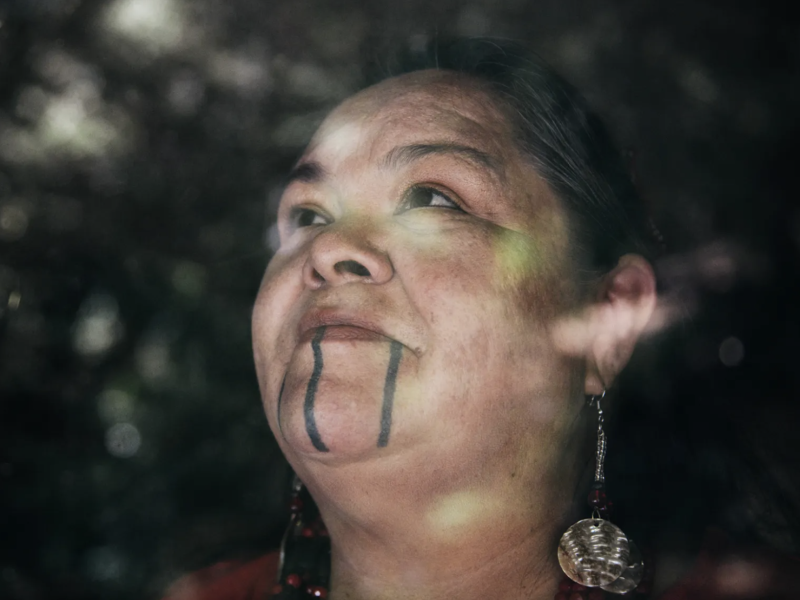
California Tribal Advocate Who Fought to Prevent Suicides Dies in Apparent Murder-Suicide
Celinda Gonzales of the Yurok Tribe worked to prevent suicides among Native Americans after losing a son and a brother. She “was a friend to many,” the tribe said.
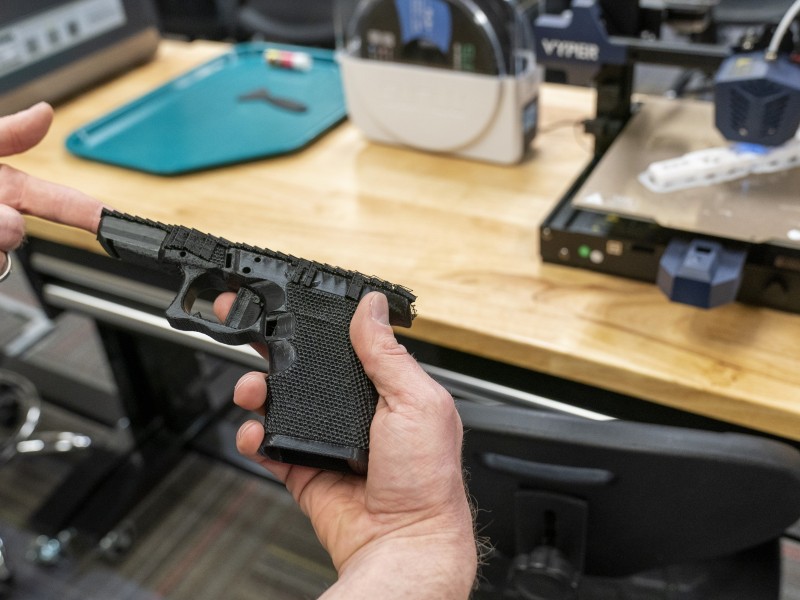
Ghost Guns, Made at Home on 3-D Printers, Are Linked to an Increase in Suicide Rates
Homemade ghost guns are raising new challenges around mental health, firearm access and suicide risk.
