Trump Budget Abandons Historic Effort to Address Mental Health Crisis
The budget bill that passed Congress last week, coming on top of previous actions by the Trump administration, signals that the days of a federal commitment to addressing the U.S. mental health crisis are essentially over.
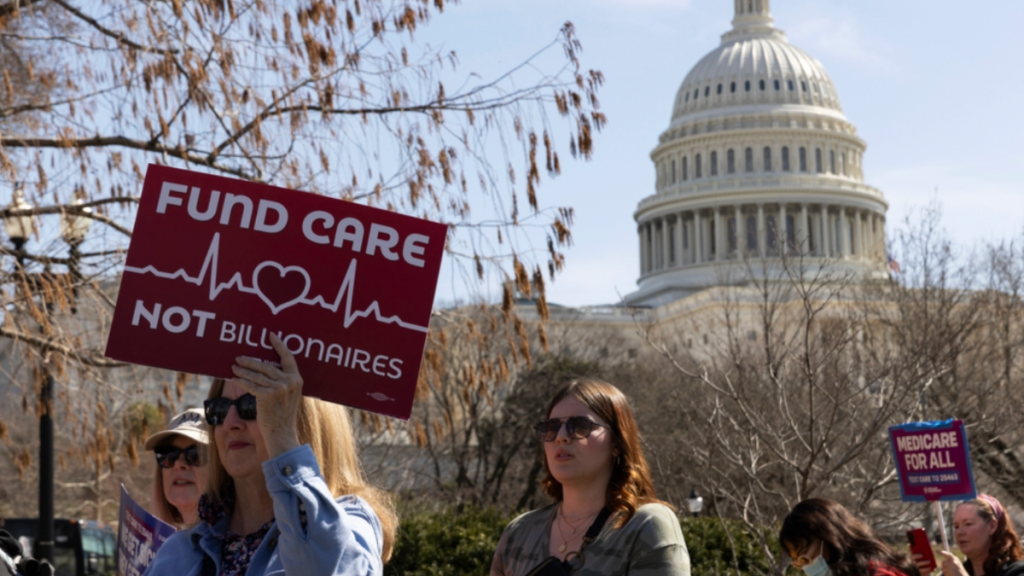
In today’s Daily: A special edition focusing on the devastating impact of the budget bill that President Donald Trump pushed through the Republican-controlled Congress last week. Mental health was hit heavily, and advocates, service providers and experts have expressed their alarm – and their commitment to providing care despite the cutbacks.
Below, we touch on the deep cuts to Medicaid and the budget “gift” to billionaires, as well as sharing reactions from some leading mental health and social organizations.
Mental Health Advocates Condemn “Unprecedented Threat” of Trump Spending Bill
The budget bill that passed Congress last week, coming on top of previous actions by the Trump administration, signals that the days of a federal commitment to addressing the U.S. mental health crisis are essentially over.
Five years after the COVID-19 pandemic poured gasoline on that simmering crisis – and the federal government took unprecedented, bipartisan action to address it – the passage of the Trump administration’s “Big, Beautiful Bill” amounts to a massive pendulum swing in the opposite direction.
The bill was rammed through the House of Representatives on a 218-214 vote, with only three Republican representatives against it, after two Republicans joined all Democrats in voting against it in the Senate, forcing Vice President JD Vance to cast a tie-breaking vote to pass it there. Trump signed the bill into law on Friday, July 4. Recent polls showed that the vast majority of Americans oppose the bill, which rolls back progress on multiple fronts, including mental health.
The reversal of policy was stunning. The previous five years – including the final year of Trump’s first presidency – had seen the renewal of a federal commitment to mental health. Over those years, federal funding for mental health services increased. New programs like the 988 hotline were created and funded. Funding streams were established to boost crisis response services and to support school-based mental health. Tough new health insurance regulations were enacted to improve access to coverage for mental health services.
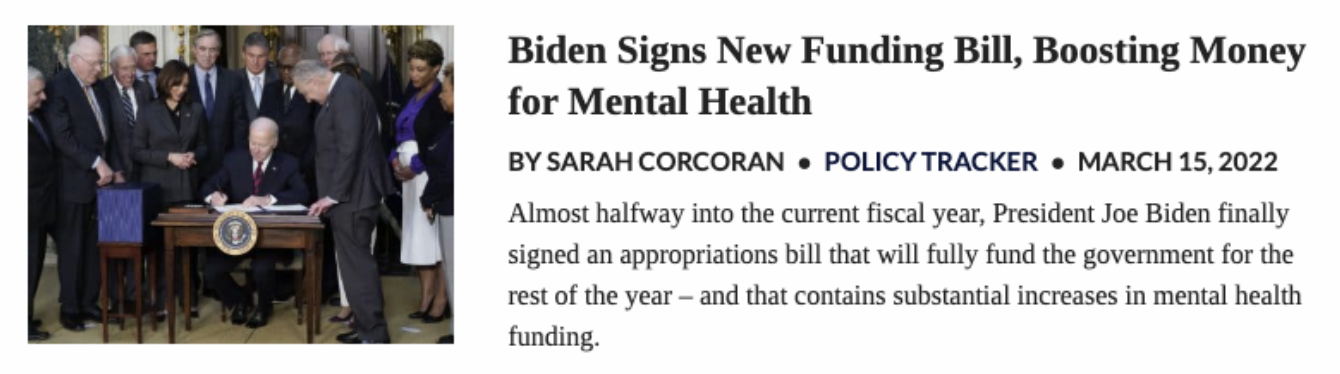
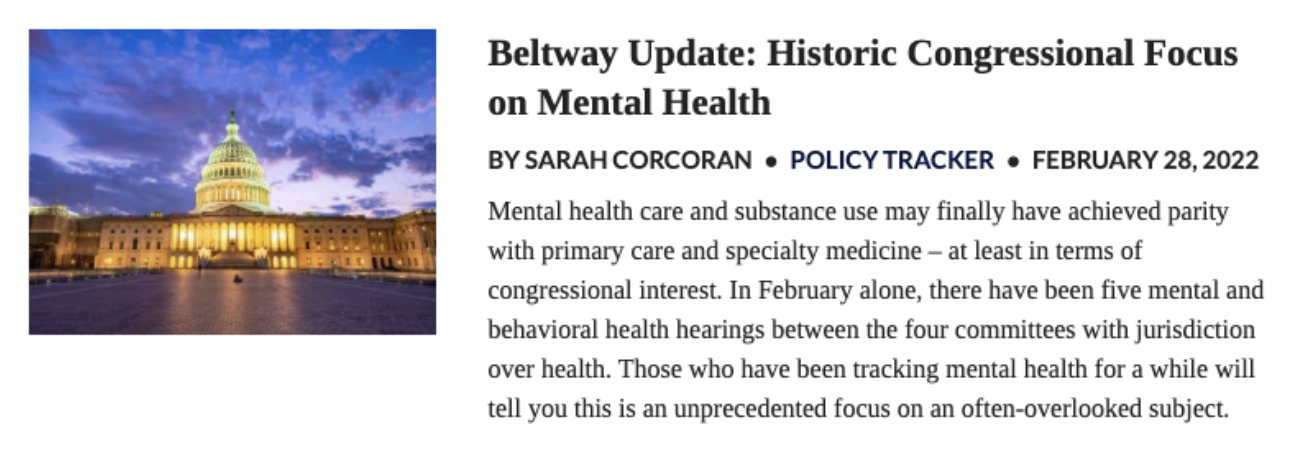
These are the headlines MindSite News was publishing just three years ago:
The budget bill now threatens that progress by cutting nearly $1 trillion from Medicaid, the nation’s largest source of funding for mental health and addiction services, and comes on top of the wholesale firing of federal mental health workers and cuts to funding for mental health research and services.
The bill hacks away at the country’s social safety net, which millions of Americans currently depend on for healthcare, addiction treatment, housing assistance and SNAP food benefits, all of which are essential for mental wellbeing. The federal government did not just turn its back on low-income people at home: On July 1, USAID ceased all foreign aid activities, handing over programs to the State Department, which Secretary Marco Rubio says will administer foreign assistance programs that “advance American interests” and “align with administration policies.”
The magnitude of the cuts is shocking – the Congressional Budget Office estimates that they’ll leave nearly 12 million more people without health insurance by 2034. Other changes in policy may push that number to 17 million Americans losing their health insurance in that period, making this the biggest rollback in federal support for healthcare ever seen. While tax cuts are due to take effect this year, the bill holds back most cuts, including those to Medicaid, until after the midterms – meaning that low-income voters will not feel the full weight of their loss until after that election.
Still, cuts to Medicaid put more than 300 rural hospitals “at immediate risk” of closing down, according to the Center for Healthcare Quality and Payment Reform. Those closures are particularly likely in red states including Kansas, Oklahoma and Alabama, but the risks extend to nearly every state. Nursing homes will also be hard hit, with just over a quarter of 363 providers surveyed by the American Health Care Association saying cuts would force them to close their doors. Applied nationally, that would shrink the number of nursing homes by roughly 4,000.
The bill is also likely to accelerate climate change, ending solar and clean energy credits, increasing fossil fuel production and gutting environmental justice initiatives.
The cuts won’t, however, decrease government debt, in part because the bill includes “the largest tax cut in American history,” according to the House Committee on Ways and Means. In June, the CBO estimated an earlier version of the bill would cost the poorest Americans about $1,600 a year, while leaving the wealthiest an average of $12,000 better off.
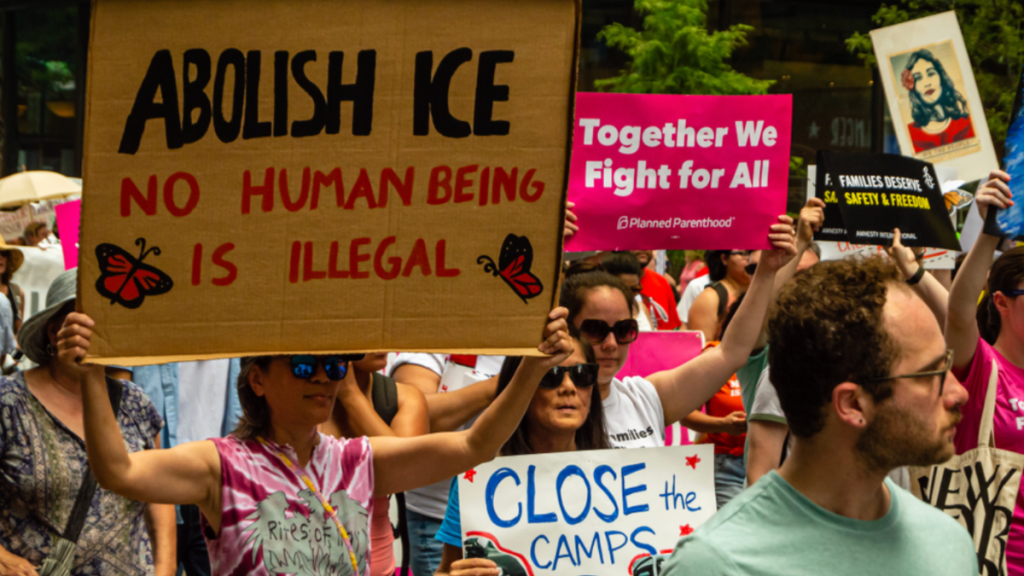
Not all agencies will be cut. The bill funds the hiring of 10,000 more ICE agents and the opening of immigrant detention camps, giving Immigration and Customs Enforcement a budget larger than the federal prison system and most of the world’s militaries. While the Trump administration is racing to expand ICE, most Americans polled think the agency has “gone too far” – an opinion shared by many state and local officials. Criticizing ICE workplace raids replete with assault rifles, tactical gear and tear gas, San Diego City Council Member Sean Elo-Rivera called ICE enforcement “state-sponsored terrorism.”
MindSite News is committed to following and digging in on the impacts of these cuts and the massive deportation sweeps that Trump has pledged to increase. This will be a major focus of our work, and we will be relentless in documenting the damage done, as well as efforts to overcome, repair and rebuild.
In the meantime, here is what some advocates, mental health agencies and scholars have said so far.
The JED Foundation, a nonprofit that works to improve emotional health and prevent suicide among youth:
“Because this legislation takes away health care coverage from millions of people, it poses an unprecedented threat to the health and well-being of children, teens, and young adults.
“At The Jed Foundation, we are deeply alarmed by the scope of these changes. Medicaid has long represented a shared national value: providing health care coverage to vulnerable people who would otherwise go without it, including nearly half of all U.S. children. With federal resources now dramatically reduced, JED is deepening our work with schools, states, and community partners… to help protect what matters most. We will continue to show up – today and every day – to support the emotional well-being of young people across this country.”
Joint Statement by the American Foundation for Suicide Prevention; American Psychological Association; Eating Disorders Coalition for Research, Policy & Action; Inseparable; The Kennedy Forum; Legal Action Center; Maternal Mental Health Leadership Alliance; Mental Health America; National Alliance on Mental Illness; National Alliance for Eating Disorders; National Council for Mental Wellbeing; National Council on Problem Gambling, and REDC
“For millions of Americans, Medicaid is mental health. Medicaid is the backbone of the American medical system; it is the largest payer for mental health care and substance use treatment in the United States. These cuts will exacerbate America’s existing mental health crisis, by stripping people of health coverage, putting many rural hospitals over the brink, reducing the healthcare workforce, and further imperiling community mental health programs. The cuts will overwhelm emergency rooms, jails and prisons and exacerbate homelessness.
“Every single American will feel the impact of these cuts. Every family knows someone or is directly affected by mental health challenges, and we know that mental health conditions are treatable with appropriate access to care.
“Our organizations remain committed to protecting and expanding access to mental health and substance use disorder care. Our fight is not over, and we are united in our effort to ensure that every American has the care and coverage they need to thrive.”
ANCOR, a national organization that advocates for Medicaid-funded services for people with disabilities:
“Despite Congress’ stated intent of protecting people with (intellectual or developmental disabilities), this bill cuts the very funding on which people with disabilities depend for critical support and life-saving health care. Make no mistake: this bill will cause direct harm to anyone who depends on Medicaid to continue living in their community.”
Children’s Defense Fund, a national nonprofit that advocates for children, especially those who are low-income and historically marginalized:
“Children’s Defense Fund believes all young people deserve to grow up with dignity, hope, and joy … And that is why, today, we are deeply disturbed and disappointed by the passage of H.R. 1. The bill has been called ‘big’ and ‘beautiful,’ but it is big only in its audacious harms to everyday people. It is bad and brutal in its gutting of essential programs children and families rely on for their day-to-day needs.
“This package values the rich, wealthy, and corporations. And it devalues children and youth by making historic cuts to Medicaid, the Children’s Health Insurance Program (CHIP), and the Supplemental Nutrition Assistance Program (SNAP). It devalues the families of 17 million children by deeming them ‘ineligible’ and ‘undeserving’ of the vital Child Tax Credit (CTC). … We must begin by acknowledging the harm and charting a better path forward.”
American Civil Liberties Union, the country’s leading organization to defend the rights enshrined in the U.S. Constitution:
“This reckless monstrosity is the most harmful bill to pass Congress in a generation. Instead of strengthening Medicaid, they’ve taken an axe to it. Instead of reining in ICE’s abuses, Congress is throwing the agency billions more to terrorize our communities.
“When 12 million people are kicked off Medicaid, patients are no longer able to get lifesaving cancer screenings at Planned Parenthood, disabled people lose access to essential care and autonomy, and ICE ramps up lawless raids in our communities, the American people will remember who caused this devastation to our health, rights, and dignity. We won’t let them forget.”
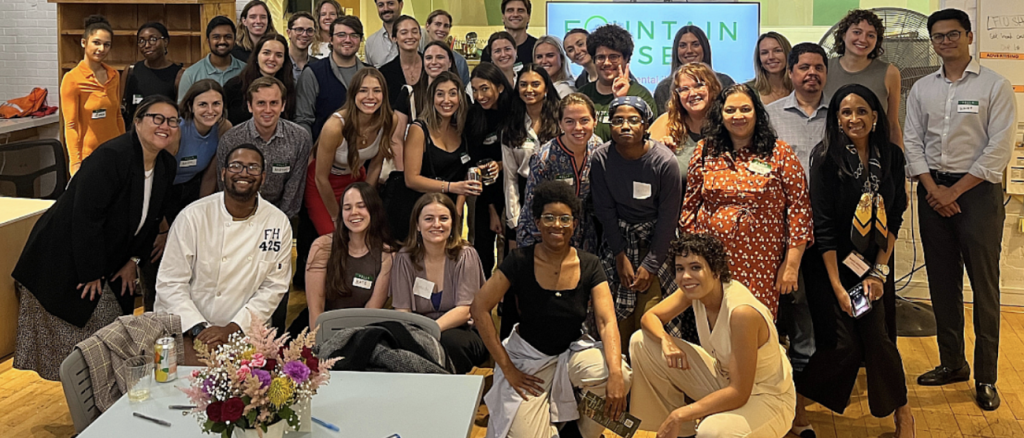
Fountain House, a New York nonprofit that pioneered the clubhouse movement to create places for people with severe mental illness to get and receive support:
“We see the bill’s demolition of the social safety net, Medicaid coverage, and other critical building blocks for so many as tragic – and misguided. Approximately one in five adults in the U.S. experiences mental illness in a given year, and among those, a substantial number rely on Medicaid for their care.
“For three out of four Fountain House members, Medicaid is their lifeline, providing access to preventive treatment, regular check-ins with mental health professionals, hospitalizations when necessary, and affordable medication… When people are not given the necessary support and treatment, they often end up in crisis situations that strain our healthcare and justice systems even further.
“If legislators were genuinely interested in creating more efficient and effective use of Medicaid dollars, they should have focused on investing in comprehensive solutions that we know work, like clubhouses which have been shown to actually reduce Medicaid expenses by 21% compared to comparable high-risk populations.”
Archbishop Timothy Broglio, President of the U.S. Conference of Catholic Bishops:
“My brother bishops and I have repeatedly and consistently urged lawmakers to use the budget reconciliation process to help families in need and to change course on aspects of the bill that fail the poor and vulnerable. (The bill includes) unconscionable cuts to healthcare and food assistance, tax cuts that increase inequality, and immigration provisions that harm families and children… As its provisions go into effect, people will lose access to healthcare and struggle to buy groceries, family members will be separated, and vulnerable communities will be less prepared to cope with environmental impacts of pollution and extreme weather.”
Former Secretary of Labor, Author and Retired Professor of Public Policy Professor Robert Reich: “Other presidents in my lifetime have been able to summon majorities of lawmakers for unpopular causes – I think of Lyndon Johnson and the Civil Rights Act of 1964 and the Voting Rights Act of 1965 – but none with the retributive threats, social media fury, and potentially violent base of supporters that Trump is now wielding. Needless to say, the Civil Rights and Voting Rights Acts made America more inclusive. Trump’s Big Ugly Bill makes America crueler. That such a regressive, dangerous, gargantuan, and unpopular piece of legislation could get through Congress shows how far Trump has dragged America into modern fascism.”
If you have thoughts you’d like to share with us about federal cutbacks or the policy bill, please send them to info@mindsitenews.org.
The name “MindSite News” is used with the express permission of Mindsight Institute, an educational organization offering online learning and in-person workshops in the field of mental health and wellbeing. MindSite News and Mindsight Institute are separate, unaffiliated entities that are aligned in making science accessible and promoting mental health globally.

Authors


Related Articles

In Teens, Social Anxiety Often Looks Like Anger
A study finds that some teens’ aggressive behavior may be due to social anxiety, not straightforward reactivity.
Expert Calls for Harm Reduction, Not Punishment, to Resolve Our Overdose Crisis
As the Trump administration pulls funding from harm reduction, an expert on the overdose crisis says it’s the best way to save lives.

The Trump Administration Continues to Fail Epstein’s Victims
The millions of Epstein files included thousands of mentions of Donald Trump as well as identifying information about Epstein’s victims.
