
Are Some Schizophrenia Patients Suffering From an Autoimmune Disease?
One woman’s longtime symptoms of psychosis disappeared after chemotherapy treatment for lymphoma.

Greetings, MindSite News Readers.
In today’s Daily, a New Yorker story on a patient whose longtime psychosis disappeared for good after chemotherapy for lymphoma. A growing number of immigrant parents prepare for the unthinkable: permanent separation from their kids. Undocumented adults lose the lifeline of state healthcare in Illinois. And helping women who suffer considerable pain during a C-section.
But, first: The Village @ Mumford is helping to build forever families. Inspired by the film, Sound of Hope, which tells the true story of 22 families adopting all 77 foster children in their rural Texas community, The Village is helping keep foster children around Detroit in stable communities – making sure they are supported until they graduate, and that they have a loving home that can take them in if the need arises.
Mumford, hopefully, is just the start for the program – Saba Gebrai, who runs The Village, and is part of the Park West Foundation, spoke to WXYZ-Detroit about how networks around each school and church could help foster kids in those communities become productive adults. One Mumford teacher, Nicole Brabson, recounted how an encounter with Gebrai led her and her husband to adopt a child.
A Curious Case of Disappearing Schizophrenia
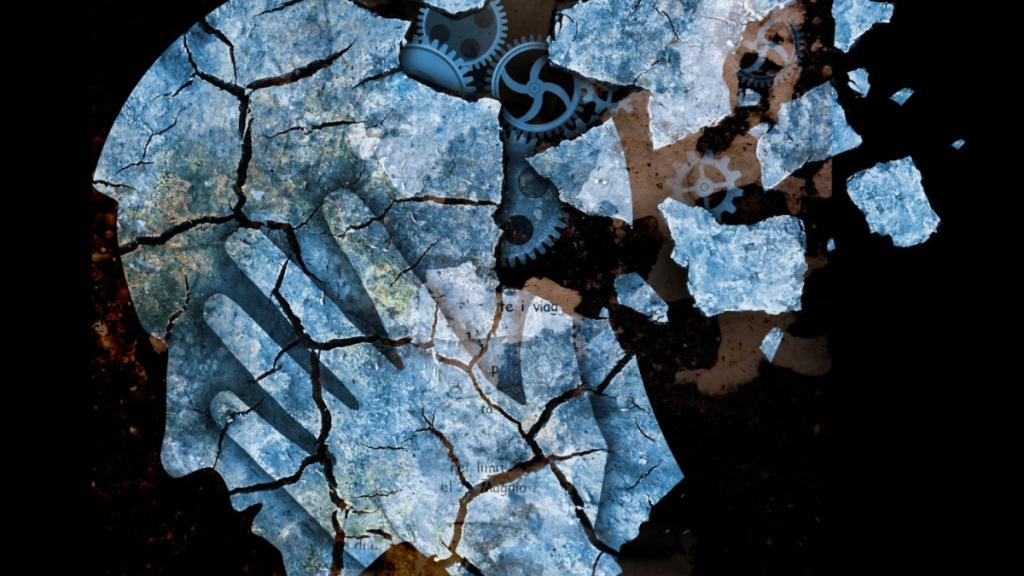
“For decades, a woman named Mary suffered from consuming delusions. Long-lost professional colleagues were meddling with her life; someone was spying on her through a camera in the showerhead; her eldest daughter was conspiring against her and putting poison on her pizza. She took to barricading herself inside her house, and would spend years in and out of psychiatric inpatient care. And then, suddenly, just months after beginning chemotherapy treatment for lymphoma, her symptoms of psychosis disappeared.”
That’s how New Yorker editor David Remnick introduces the story of Mary’s illness “and astonishing recovery.” Writer Rachel Aviv, he says, “investigates a relatively new phenomenon: researchers and physicians are beginning to ask how many patients who present with what are typically considered psychiatric disorders, including schizophrenia, may actually be suffering from autoimmune conditions.” One scientist at the National Institute of Mental Health, he said, “tells Aviv that the figure may be between one and five percent of schizophrenia patients. ‘Even one percent ends up being almost a million people in the world who should be treated with a different kind of medicine,’” he concluded.
The idea that schizophrenia might, in some cases, be an autoimmune disease reminds us of our recent story: “Can a Ketogenic Diet Actually Treat Mental Illness?” In the piece, writer Gordy Slack explores the possibility that in some cases, psychotic disorders may have metabolic causes – making them treatable as such.
Both stories explore a tantalizing new possibility for patients and their families:what appear to be intractable mental disorders might, in some cases, have treatable underlying causes. – Diana Hembree
A child’s “worst nightmare”: Losing their parents to deportation
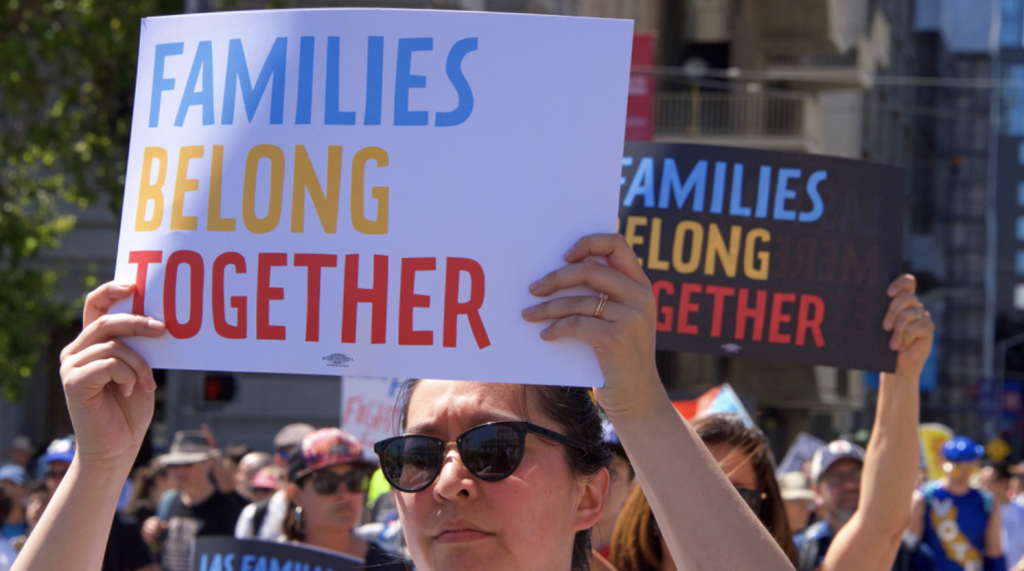
For very young children, separation from a parent is “tremendously traumatizing,” said Sherry Berg, a clinical psychologist at Para Los Niños in Los Angeles county, to the LA Times. A parent’s deportation, she says, is “their worst nightmare.” Parent-child separation is an adverse childhood experience (ACE) that will ripple through kids’ lifetimes. Study after study has found that a parent’s deportation upends a child’s life, resulting in depression, anxiety, severe behavior and developmental issues and academic decline. According to the Society for Community Research and Action, “Even if the family is ultimately reunited, the consequences of their forced family separation often remain.”
Sonia has picked tomatoes, squash and cilantro in Riverside County, California, for the last 25 years, but as a resident without legal status, she no longer feels safe leaving the house. A neighbor has been picking her four-year-old son up from preschool – he’s been anxious, crying and asking why. Her 10-year-old’s teacher called her recently, worried about his mental health. Both boys, and their 7-year-old brother, are American citizens – if Sonia and her husband are deported, they want them to stay here. So, like thousands of other immigrants flooding legal help centers in person and online, she is filling out forms to give legal responsibility to give her children to a trusted person if the nightmare comes true. “I already want to cry.”
TODEC, a legal rights organization, offers “Monarcas Luchadoras” for the children of immigrant parents, helping to reduce anxiety by teaching youth how to help their families write readiness plans and build threads of mutual aid for people too afraid to leave their homes. The organization also workshops that help parents understand and complete a “Caregiver’s Authorization Affidavit,” which allows another adult to enroll their child in school and authorize medical care. The organization advises parents to choose a designee who has citizenship or legal permanent residency, to ensure they are not also at risk of deportation.
The government is offering undocumented immigrants $1,000 to self-deport, and some families do take citizen children with them. But many, like Sonia, make the heartbreaking choice not to for the same reason they came here in the first place: safety and a chance at opportunity. Many come from countries where war, kidnappings, gangs and a high murder rate make it dangerous to raise children.
Susan, a 30-something immigrant from Guatemala who has lived in the US for half her life, asked her former employer to be her child’s caregiver if she and her husband are deported. Susan worked for the family as a nanny during the pandemic. They were essential workers then, she says, providing childcare, cleaning, doing construction; “and now we are criminals.”
Susan and Sonia’s families are drops in an ocean – roughly 5.62 million US citizen children live with an undocumented person, and nearly half of them do not have a parent with legal status.
Signing the caregiver affidavit was “one of the most difficult decisions that I’ve had to make as a mom, because I feel like I am giving away my children,” Susan said. “But I don’t want them to be taken by the government if I have to go with immigration.”
Undocumented adults lose crucial state healthcare in Illinois
In 2020, the State of Illinois launched its Health Benefits for Immigrant Seniors (HBIS) program, providing undocumented immigrants over 65 who could not access Medicare with doctor and hospital care, lab tests, therapy, and mental health services. By 2022 it had expanded to cover those aged 42 to 64 without legal status as Health Benefits for Immigrant Adults (HIBA), making critical community care accessible to as many as 70,000 people – and saving the state an estimated $65 million per year in otherwise-unpaid healthcare costs.
But on July 1st, the state eliminated HIBA , citing federal budget cuts. It’s yet another stressor for immigrant communities to contend with, amid the Trump Administration’s deportation crusade and his efforts to eliminate birthright citizenship.
“These are the people who pay taxes, care for our elders, and helped carry this state through a pandemic,” Congressman Jesús “Chuy” Garcia (D-IL) told Borderless. “Cutting their access to care now would be not just cruel but counterproductive and costly.” Though the state healthcare program directly benefited immigrants, studies have found that its influx of funds strengthened the hospital system. Threats of HIBA’s elimination had prompted “a lot of uncertainty, fear and anxiety about having access to the healthcare coverage that they need,” Emily Cole, lead organizer with Community Organizing and Family Issues said. With HBIA now gone, organizers and nonprofits aim to identify alternatives for the uninsured, including resource guides like this one: Where To Find Free, Low-Cost Health Coverage Regardless Of Status.
In other news…
Acknowledging and resolving pain during C-sections: In its first season, “The Retrievals” shared the story of women who had been given saline instead of pain relief for early surgical fertility treatments, and then had their pain ignored. Now in its second season, the podcast from Serial Productions and The New York Times explores why thousands of mothers experience considerable pain during Caesarean delivery – and what’s actually being done about it.
ICYMI: MindSite News’ special report on a new study from Sapien Labs, which suggests that smartphone use before age 13 is hazardous to future mental health. On Monday, we reported on research concluding that children, especially girls, who own smartphones before age 13 are at risk of worse mental health as young adults. Both boys and girls reported a poorer self-image and lower self worth, and boys’ ownership was also associated with feeling less calm, less stable, and less empathetic. Girls, on the other hand, showed lower emotional resilience and lower confidence the earlier they had their first such device.
Young adults who had had phones as early as ages 5 or 6 reported significantly higher rates of suicidal thinking, too. About 48% of young women who got a smartphone by kindergarten reported severe suicidal thoughts, compared to 28% of those who first got a smartphone at 13 or older. In young men, 31% of those who had owned smartphones at 5 or 6 had severe suicidal thoughts, compared to 20% of their peers who first had one after 13. In our special July 21 MindSite News newsletter, we spoke with lead author Tara Thiagarajan about both this study and Sapien Labs’ report on food toxins’ developmental impact.
The name “MindSite News” is used with the express permission of Mindsight Institute, an educational organization offering online learning and in-person workshops in the field of mental health and wellbeing. MindSite News and Mindsight Institute are separate, unaffiliated entities that are aligned in making science accessible and promoting mental health globally.

Author

Related Articles

In Teens, Social Anxiety Often Looks Like Anger
A study finds that some teens’ aggressive behavior may be due to social anxiety, not straightforward reactivity.
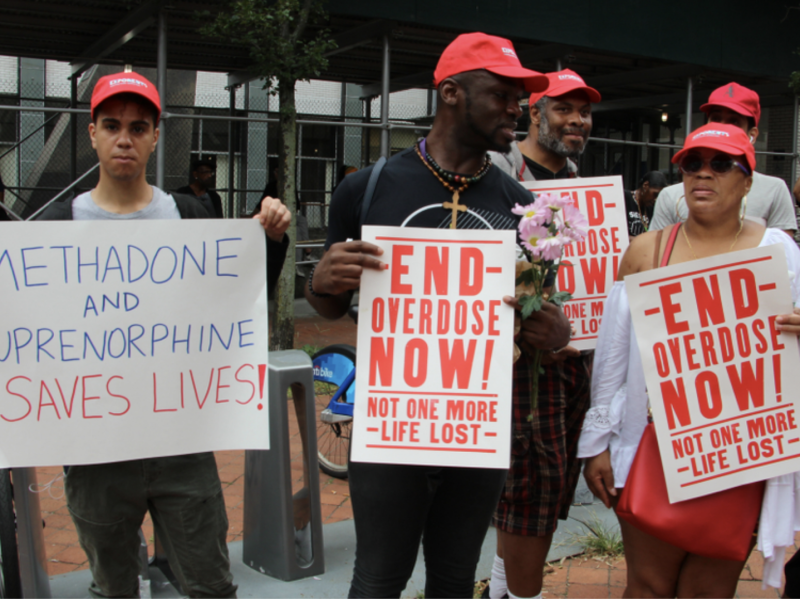
Expert Calls for Harm Reduction, Not Punishment, to Resolve Our Overdose Crisis
As the Trump administration pulls funding from harm reduction, an expert on the overdose crisis says it’s the best way to save lives.

The Trump Administration Continues to Fail Epstein’s Victims
The millions of Epstein files included thousands of mentions of Donald Trump as well as identifying information about Epstein’s victims.
