
What California Still Doesn’t Understand About Young Men’s Mental Health
In California, youth and young adults make up 21% of the population but account for 57% of all emergency room visits due to self-harm. When we offer real space to feel, boys start to breathe when they realize emotions are not liabilities but signals.
This commentary was originally published by CalMatters. Republished with permission.
Every summer, a few headlines remind us about Mental Health Awareness Month. And then, just as quickly, we move on.
But the truth doesn’t go away. For people whose lives have been impacted by it, neither does the grief.
I’m a 26-year-old Black man and a project director of a youth-led mental health initiative in Santa Cruz and Monterey counties. I’ve been doing this work for years. But I started living this work when I was 12, the year I lost a sibling to suicide.
I didn’t have the language for it then — only the silence that followed.
That silence is still killing us. In California, youth and young adults ages 10 to 24 make up just 21% of the population — yet they account for 57% of all emergency room visits due to self-harm.
That number should stop us cold.
And for young men in that group — especially Black and brown men — the pressures are even sharper. We’re over-policed and under-protected, told to be strong but never safe, and expected to endure pain without language or rest.
Too often, the conversation around men’s mental health gets hijacked, either to justify violence or to dismiss vulnerability. The algorithms favor rage. The headlines flatten the story. And influencers push a version of masculinity rooted in control, not clarity.
What we call masculinity in America is often just unprocessed grief in a fitted cap.
Through my work with young people across California, I’ve seen what happens when we offer real space to feel. I’ve watched boys start to breathe when they realize emotions are not liabilities but signals. They’re clues. They’re a map back to themselves.
But healing requires more than hashtags. It requires safety. It requires tools. And it requires the cultural permission to pause.
What we need in California is emotional literacy taught in schools, not just trauma response after harm. We need culturally grounded healing spaces not filtered through law enforcement. We need prevention strategies rooted in belonging, not just diagnoses. We need a statewide narrative that treats emotional safety as a part of our infrastructure.
This is about design. We don’t need another awareness month. We need a future where emotional safety is a right — not a luxury. A future where no boy learns to hide his grief because no one ever taught him how to name it.
Men aren’t broken. We’re just long overdue for a new kind of strength.
Mental health can't wait.
America is in a mental health crisis — but too often, the media overlooks this urgent issue. MindSite News is different. We’re the only national newsroom dedicated exclusively to mental health journalism, exposing systemic failures and spotlighting lifesaving solutions. And as a nonprofit, we depend on reader support to stay independent and focused on the truth.

It takes less than one minute to make a difference. No amount is too small.
The name “MindSite News” is used with the express permission of Mindsight Institute, an educational organization offering online learning and in-person workshops in the field of mental health and wellbeing. MindSite News and Mindsight Institute are separate, unaffiliated entities that are aligned in making science accessible and promoting mental health globally.


Author

Related Articles
Brown University Shooting Again Reveals Why Trauma Care Must Begin Before People Seek It
A former Brown student and longtime mental health journalist says that how institutions respond after traumatic events can shape mental health outcomes for years to come.
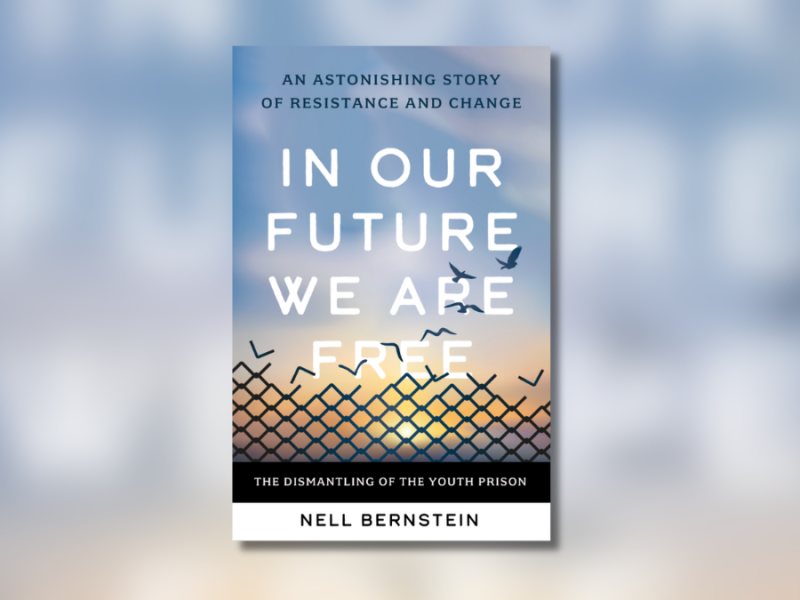
In Our Future, We Are Free: The Movement to Dismantle Youth Prisons in America
Over the past 20 years, one state after another has shuttered its youth prisons and stopped prosecuting kids as adults, slashing the number of children locked in cages by a stunning 75%. This new book tells the story of how a coalition of parents, activists, and prison officials brought a destructive institution to its knees.
I Shared 266 Pages of My Life with ChatGPT. Here’s What It Got Wrong.
Therapy, the author notes, “isn’t about telling you what you want to hear; it’s about helping you face what you need to hear.” Using ChatGPT for therapy, however, is “both engaging and manipulative.”
