
Childhood Verbal Abuse As Harmful to Mental Health as Hitting
News from around the web
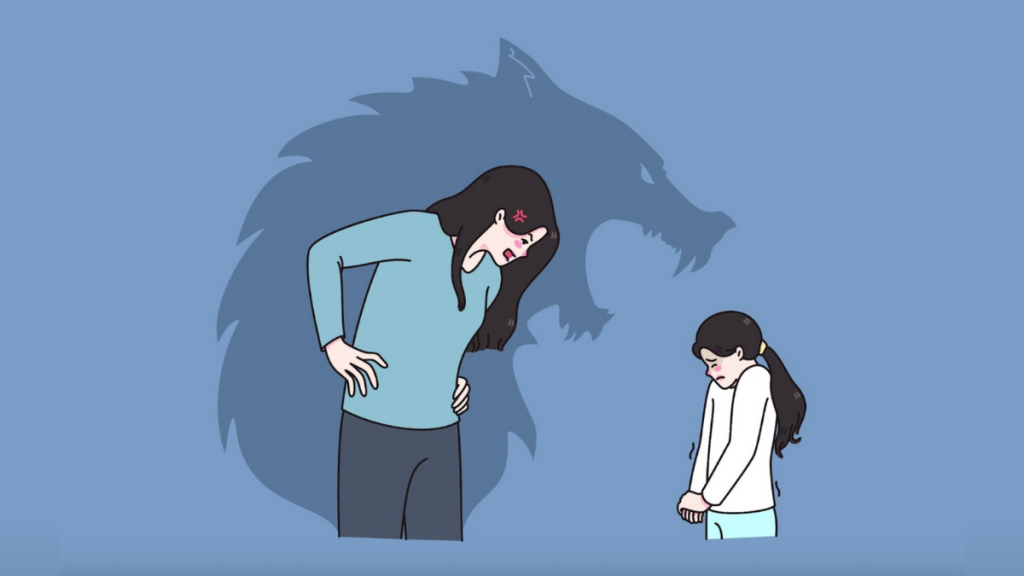
New research finds that “verbal abuse in childhood may inflict mental health scars as deep and enduring as those caused by physical abuse.” The study, involving more than 20,000 adults in England and Wales, found that those who suffered verbal abuse as children were likely to feel disconnected, pessimistic and emotionally unwell in adulthood. “Important progress has been made in reducing physical abuse, but verbal abuse is often overlooked,” Mark Bellis, lead author of the study, told The Independent.
“This study confirms what survivors and professionals have long known,” said Jessica Bondy, founder of Words Matter, which aims to end childhood verbal abuse. “Words can wound deeply and have a lasting impact on a child’s mental health and development… Any gains made in reducing physical abuse risk being undone by rising rates of verbal abuse. We must act now to confront the lasting harm caused by cruel, critical or controlling language. We need to build children up – not knock them down. The mental health of the next generation and our shared future depend on it.”
An estimated one in three children endure verbal abuse worldwide, in contrast to one in six who experience physical abuse, researchers said. For the study, they pooled data from seven relevant studies involving 20,687 adults from England and Wales, in birth cohorts from pre-1950 to 2000+.
Adults who grew up with verbal abuse in childhood were 64% more likely to have low mental wellbeing as adults; for those with experiences of physical abuse the risk was 52% greater. For adults subjected to both verbal and physical abuse, the risk increase was substantially higher, at 115%. Researchers noted that, while verbal abuse alone had a higher impact in their analysis, the difference with physical abuse wasn’t statistically significant.

Spare the Child: Why School Paddling Is Legal Child Abuse
By Diana Hembree • Solutions Lab • January 3, 2022
I first became acquainted with school corporal punishment my first week at Fitzhugh Lee Elementary in Smyrna, Georgia.
While rates of physical abuse fell for those born in the 1980s onwards, the prevalence of verbal abuse was higher than it had been before the 1970s. That uptick in verbal abuse is “eroding the long-term mental health benefits we should see from reducing physical abuse,” researchers said.
The name “MindSite News” is used with the express permission of Mindsight Institute, an educational organization offering online learning and in-person workshops in the field of mental health and wellbeing. MindSite News and Mindsight Institute are separate, unaffiliated entities that are aligned in making science accessible and promoting mental health globally.


Author

Related Articles

Does Contemporary “McMindfulness” Reinforce Our Suffering?
A Buddhist teacher and professor argues that a commodified mindfulness solely focused on the self is only a stopgap fix.

“No Beds”: Despite Improvements, Detroit’s Shelter System Continues to Let Families Down
When a Detroit mom and her two sons faced homelessness last year, she spent months calling the city daily for beds – in vain.

988 call responses plummet in Georgia after insurer cutbacks
After an insurance company made cutbacks, Georgia’s 988 response rate to mental health crisis calls “fell off a cliff.”
