
Gen Z’s ‘Perfectionism Epidemic’ Is Fueled by Social Media
Experts on perfectionism explain why you need to abandon its pursuit.
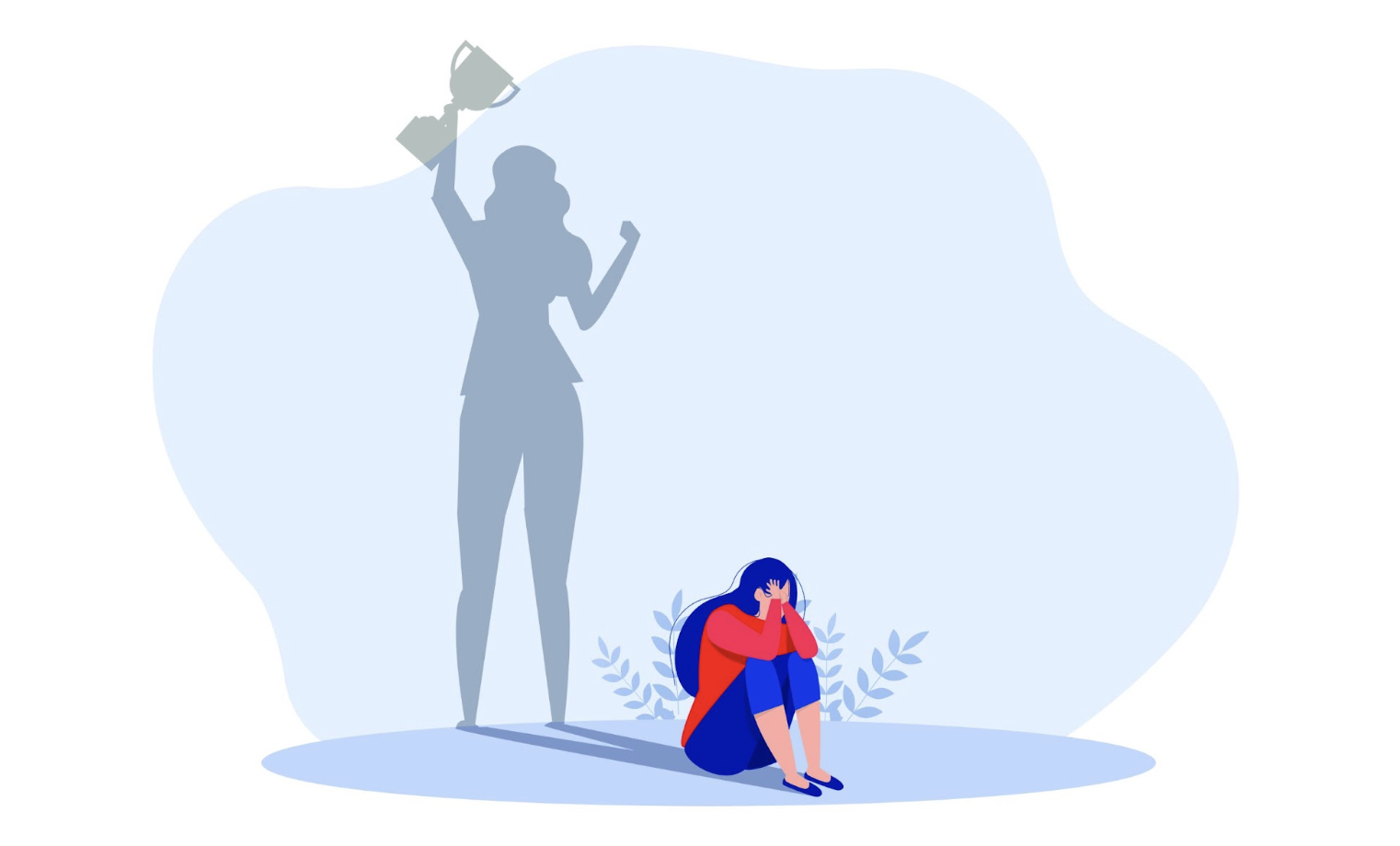
Perfectionism is so insidious that not even Gordon Flett – who, with Paul Hewitt, co-wrote the dominant framework on perfectionist behavior – could prevent it. An expert in its long-term harms, Flett did his best to help his children understand that perfection isn’t necessary. Still, he noticed tell-tale signs of his 10-year-old daughter, Hayley, falling into its trap, so he gave her a test to assess just where she was at.
She showed such a lack of a problem, Flett thought something was wrong with the test. Hayley would reach young adulthood before he’d learn just how bad she had it. She later admitted to her dad that she had known it wasn’t what he wanted her to reach for – so she’d crafted her responses on the childhood test to appear as someone who wasn’t perfectionistic, Flett told The New Yorker.
Driven by fear rather than ambition, perfectionists aim for perfect because they view it as the only “way of being secure and safe in the world,” said Hewitt, Flett’s longtime collaborator and fellow perfectionism expert. Flett says he “can’t stand it when people talk about perfectionism as something positive … They don’t realize the deep human toll.” Perfectionists experience higher rates of ulcers, hypertension, fibromyalgia, arthritis, irritable-bowel syndrome, and Crohn’s disease, but – believing they must always be, or seem, okay – are slow to seek help for such serious conditions.
Over the years, Flett and Hewitt’s work has often investigated the links between perfectionism, depression, eating disorders, and suicide. One woman emailed Flett the story of her son, who died seven years ago at age 28. Beloved, ambitious, adventurous, and generous, Michael struggled with the belief that in order to secure employment, he needed to embody every qualification listed in a posting. Feeling perpetually left behind, he entered a deep depression, and eventually ended his life. His mother was stunned – Michael hadn’t been open about the depths of his depression – but she told Flett that she’s come to understand it. “Our son died of perfectionism,” she said.
In another instance, producers of a radio show learned on-air how harmful perfectionism can be. Having invited Flett to join a “nice and light” conversation on the subject for afternoon drive-time, he warned them callers wouldn’t be sharing lighthearted anecdotes. He was right. The very first caller revealed that his wife’s perfectionism was driving them toward divorce.
These days, social media is fueling an “epidemic of perfectionism,” especially among Gen Z, Flett said, adding, “the need to seem perfect is much bigger now than when we started this research.” More than half of high school aged respondents to a survey he conducted in Canada agreed that “I need to be perfect,” affirming the results of a 2024 Gallup poll distributed to US high school students that found one-third of US teens feel the same way. People agonize over the gap between their real lives and the “perfect” lives they see online – despite knowing they’ve carefully curated their own social media feeds to reflect perfection.
The pursuit of perfection condemns people to a familiar hell of insufficiency, Hewitt said. Chasing a perpetually-moving target, perfectionists are stuck on a wheel of meaningless achievement – reaching the goal never helps.
Somehow, even if just in the safety of a therapist’s office, a perfectionist needs to get messy and “fail.” There, they learn that despite their imperfection, “the therapist isn’t repulsed – the sky doesn’t fall.” One client even told Hewitt that his own admissions of error had helped her improve. “The thing that was most helpful was when you made a mistake you recognized it, and we got through it,” she told him. It helped her to see that “imperfection just is,” Hewitt said. Mistakes happen and often, “there is no devastating consequence.”
The name “MindSite News” is used with the express permission of Mindsight Institute, an educational organization offering online learning and in-person workshops in the field of mental health and wellbeing. MindSite News and Mindsight Institute are separate, unaffiliated entities that are aligned in making science accessible and promoting mental health globally.


Author

Related Articles

Your Teen Is Probably Going to Turn to AI for Advice – Check Out the APA’s Tips on Helping Them Stay Safe and Grounded
As teens turn to AI for advice, experts say that patient should work with them to make sure they use AI safely.

The Problem with the Trump Regime is ‘Psychiatric, Not Political,’ Expert Says
Dr. Bandy Lee urges Americans to protest by marching on No Kings Day to the White House and state capitols and refusing to leave.