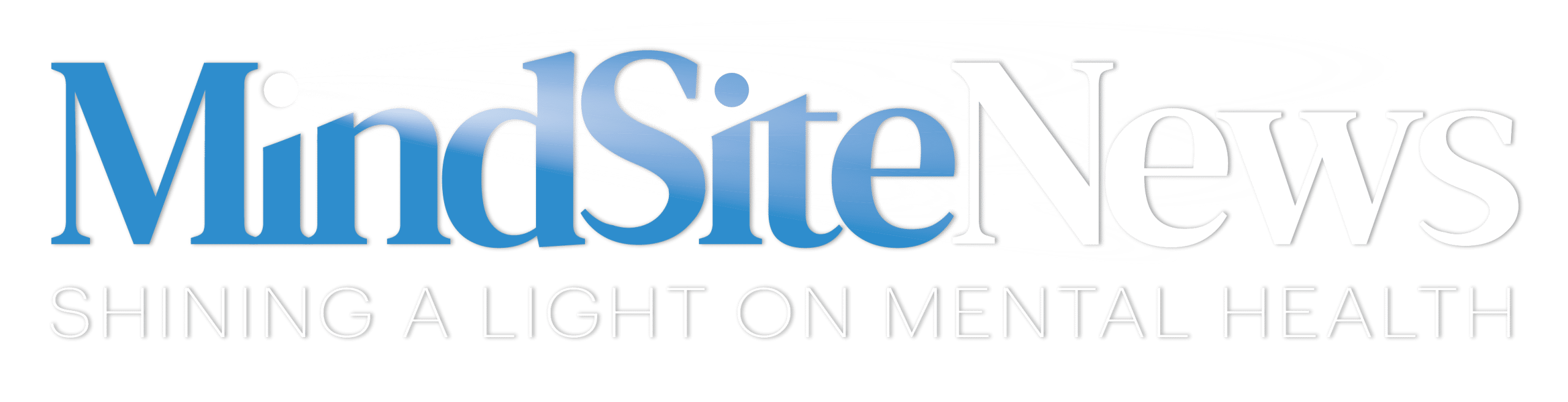
Peer-Led Addiction Treatment Threatened by Trump Cuts

After Hannah Meissner beat drug addiction, she began work as a peer recovery coach at a nonprofit, excited to help others clinch sobriety while ensuring her federal student loans would be forgiven through her public service. More than 48 million Americans suffer from addiction, driving the need for not just physicians and nurses, but also peer coaches, like Meissner, who uniquely, intimately know the journey of recovery. They apply their past experiences to guide others to relief, and their pasts help earn clients’ trust.
Long before Robert F. Kennedy, Jr. – who himself spent 14 years in the throes of addiction – was appointed head of the U.S. Department of Health and Human Services, HHS was encouraging community and peer support in addiction treatment. Under Kennedy, the department says it still does, telling the Washington Post in a statement that peer workers “can play a vital role in helping people find and sustain recovery by providing emotional support, guidance, and wraparound services.”
Yet the elimination of many grants is hurting nonprofits like the Detroit Recovery Project, where Meissner works, which depends on federal funding for about 90% of its budget. Cuts have already eliminated the role in youth addiction prevention Meissner once held, and now her current job – and debt relief – are in jeopardy. Wages for such jobs are already low; budget cuts further stress a system with already-nebulous standards for peer coaches.
As Meissner told The Washington Post, “It’s a scary time to be pursuing a career in this profession.” At the moment, she is staying in a shelter while she saves to secure longer-term accommodation.
Peer coaches are partially modeled after those in the nation’s most prominent volunteer-led peer recovery program, Alcoholics Anonymous, which has existed for nearly a century. Since the 1970s, formal peer support has been thought of as essential by advocates in the recovery economy, and for decades, the federal government has funded a significant portion of their work, funneling money to state and local programs with grants made through the Substance Abuse and Mental Health Services Administration (SAMHSA).
The most recent past of the opioid crisis saw a much-needed expansion of that funding, and the Biden administration instituted national certification standards for peer specialists. It even expanded a national center for their training and technical assistance, one established during Trump’s first term. What’s not covered by SAMHSA is often covered by Medicaid, but the wide variation in Medicaid reimbursements means pay for peer workers differs drastically state-to-state.
And with the passage of Trump’s “One Big Beautiful Bill,” clinical care organizations that depend on Medicaid reimbursement may have to fire staff, including peer workers. Case in point: the Detroit Recovery Project, which provides peer coaches, primary health care, outpatient addiction treatment and prevention and harm-reduction services. Next year’s proposed budget might mean it has to lay off half of its staff – around 80% of whom bring some form of peer experience to their work.
“The peers offer something very unique, and that’s helping people embrace each other,” said founder and CEO Andre Johnson, looking ahead to a precarious future.
Addiction Is a Chronic Disease. Let’s Treat it That Way
By Diana Hembree • Newsletters • June 18, 2025
Mental health can't wait.
America is in a mental health crisis — but too often, the media overlooks this urgent issue. MindSite News is different. We’re the only national newsroom dedicated exclusively to mental health journalism, exposing systemic failures and spotlighting lifesaving solutions. And as a nonprofit, we depend on reader support to stay independent and focused on the truth.
It takes less than one minute to make a difference. No amount is too small.
The name “MindSite News” is used with the express permission of Mindsight Institute, an educational organization offering online learning and in-person workshops in the field of mental health and wellbeing. MindSite News and Mindsight Institute are separate, unaffiliated entities that are aligned in making science accessible and promoting mental health globally.


Author

Related Articles
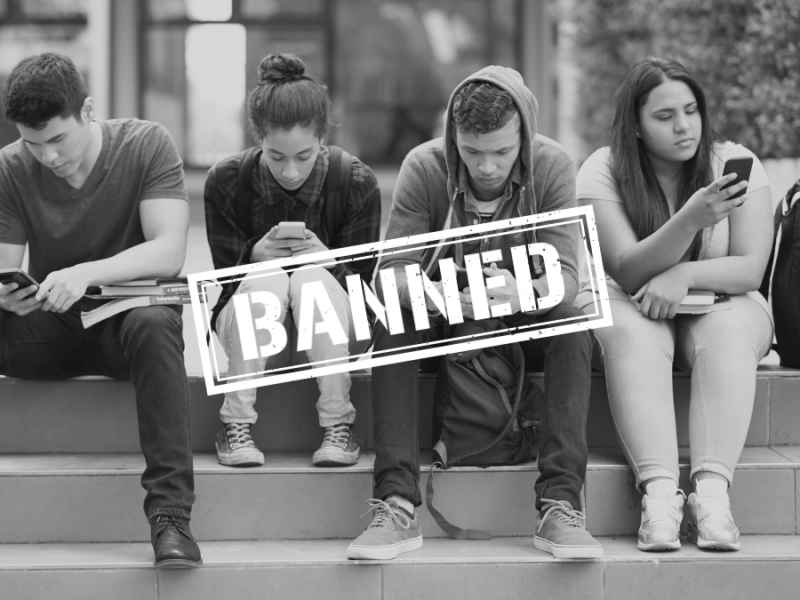
Australia’s Youth Social Media Ban Causes Anxiety Before Holidays
Australia’s youth social media ban, implemented just before the long holiday break, has sparked concern among mental health experts who warn the sudden loss of digital community and support could cause distress and isolation for vulnerable teens.

Why Employers Must Embrace Neurodiversity in the Workplace
As companies recognize the competitive advantage of hiring neurodiverse staff, experts advocate for moving beyond standard solutions to create tailored accommodations, sensory-friendly spaces, and a culture that harnesses the unique strengths of neurodiversity in the workplace.

Developmental Psychologist Debunks Myths About Attachment Parenting and Babywearing
Developmental psychologist Emily Little argues that babywearing promotes secure attachment and better parental mental health.
