
The Playground That Lets Kids Take Risks – For Their Own Good
Adventure playgrounds may look chaotic but experts say unconventional spaces help kids develop by teaching them to navigate risks.
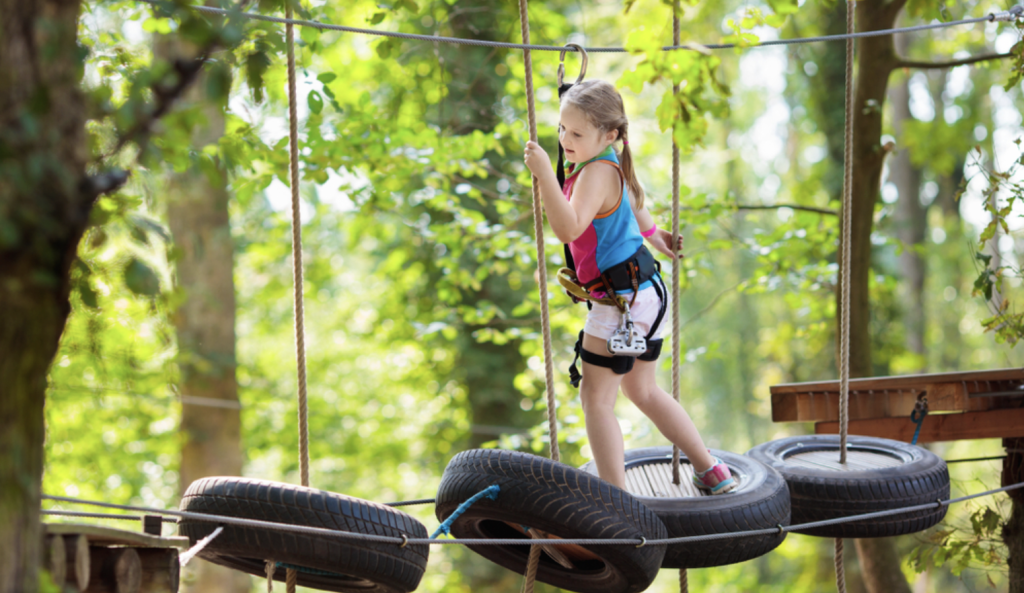
My first thought upon looking at a photo of Adventurous Construction Playground Kolle 37 in Berlin was “The Little Rascals,” circa 1994. It reminded me of the hangout designed by elementary-age members of the He-Man Womun Haters Club, led by Spanky and begrudgingly attended by love-struck Alfalfa. Aside from the woman-hating of it all, I’ve always thought it seemed a great place to play. The kids there appeared to have the time and freedom to really let their imaginations soar and, given that opportunity, they used their minds, hearts and heads to create a private adventureland to share with their friends.
It turns out that’s the basic idea behind Kolle 37. The massive, unconventional playplace is replete with hand tools, wooden forts, an old car now suited as a den, off-axis swings, and even fire pits. It’s also just for kids; parents can only visit on Saturdays. “To a lot of people it looks like junk and dirt, and [they think] that it isn’t useful,” Marcus Schmidt, one of the few full-time (adult) members of staff at Kolle 37, told Reasons To Be Cheerful. Staff supervise the children for safety, but do not interfere with their play. “Here you get prepared for your future life. You have to talk to your neighbors. You share tools, work with others, practice problem solving, compromise. It’s the democratic process.”
The research behind adventure playgrounds
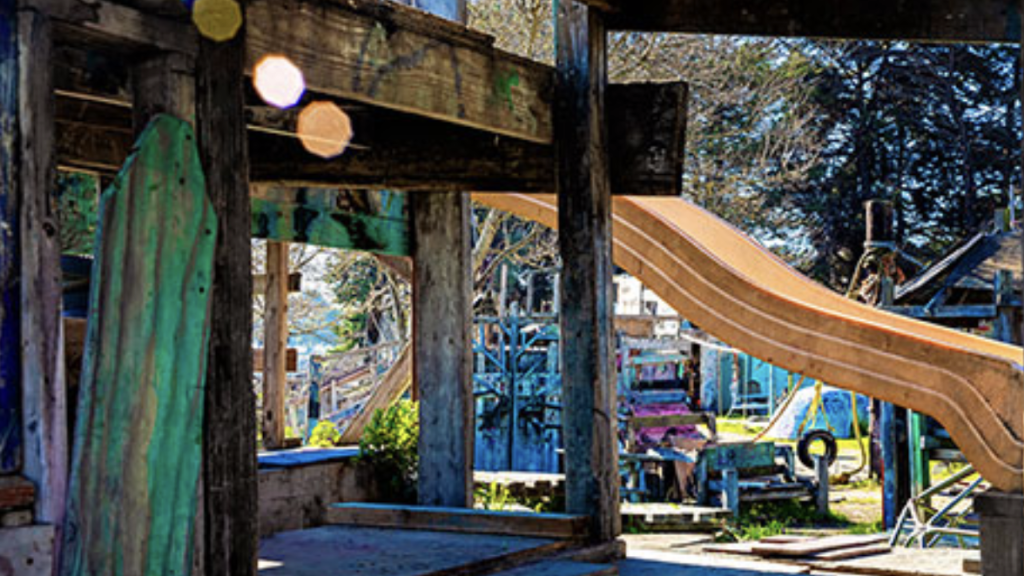
Research supports this kind of “risky play,” says Ellen Beate Hansen Sandseter, a professor of early childhood education and co-author of the book Risky Play: An Ethical Challenge. “It’s good for physical development, motor skills and learning how to cope with fears. We habituate them through risky play, self-confidence building, courage, learning how to navigate the environment, and build social skills.” Best of all, it gives kids practice interacting with humans – in real life. As 13-year-old Mitja puts it, “I’ve made new friends, and I don’t sit in front of the computer all day.” When the press and authorities visit, the children show them around.
Adventure playgrounds aren’t without their challenges; injuries sometimes occur. Staff stress that such accidents, including broken bones or even stepping on nails, can happen anywhere. The difference at Kolle 37 is that children are also taught to manage that risk, while allowing the supervising adults to worry about major hazards — like ensuring that the equipment is truly safe for playtime, despite what it looks like. “[Kolle 37] is a really, really special place,” says Schmidt. “It looks different every day. And the kids made it, not some engineer.”
That distinction – between risks kids can deal with, and dangerous hazards, which should be left to grown-ups – is important for Kolle 37, and for experts and organizations encouraging an end to helicopter parenting. Even German insurers support letting kids take more risks, with one 2020 report from the DGUV, the association of statutory accident insurers in Germany, stating “allowing risks and daring is just as much a part of child-friendly safety promotion as regulating and prohibiting them.”
They would know; Kolle 37 is part of a broader tradition of adventure playgrounds that began in Denmark in the 1940s and has since spread across Europe. Germany is home to about 400 of them, and there are something like 1,000 worldwide, with examples in Denmark, France, and England. Just a handful exist in the United States, due to liability concerns and our litigious society. But things do change; I’m hopeful they’ll change here, someday.
Mental health can't wait.
America is in a mental health crisis — but too often, the media overlooks this urgent issue. MindSite News is different. We’re the only national newsroom dedicated exclusively to mental health journalism, exposing systemic failures and spotlighting lifesaving solutions. And as a nonprofit, we depend on reader support to stay independent and focused on the truth.

It takes less than one minute to make a difference. No amount is too small.
The name “MindSite News” is used with the express permission of Mindsight Institute, an educational organization offering online learning and in-person workshops in the field of mental health and wellbeing. MindSite News and Mindsight Institute are separate, unaffiliated entities that are aligned in making science accessible and promoting mental health globally.


Author

Related Articles
Australia’s Youth Social Media Ban Causes Anxiety Before Holidays
Australia’s youth social media ban, implemented just before the long holiday break, has sparked concern among mental health experts who warn the sudden loss of digital community and support could cause distress and isolation for vulnerable teens.

Why Employers Must Embrace Neurodiversity in the Workplace
As companies recognize the competitive advantage of hiring neurodiverse staff, experts advocate for moving beyond standard solutions to create tailored accommodations, sensory-friendly spaces, and a culture that harnesses the unique strengths of neurodiversity in the workplace.

Developmental Psychologist Debunks Myths About Attachment Parenting and Babywearing
Developmental psychologist Emily Little argues that babywearing promotes secure attachment and better parental mental health.
