
Switching to Whole Foods Made This Family Healthier – and Happier
A science journalist’s experiment of cutting out ultra-processed foods from her family’s diet led to a surprising transformation in their physical and mental health.
What happens if you eliminate ultra-processed foods (UPFs) like chips and instant soups from your diet? Apparently, only good things. Besides the disappearance of excess weight and sugar-fat-salt cravings, there could be a boost to mental well-being too. “The results proved transformative,” science journalist Michaeleen Doucleff recalled in the Wall Street Journal. “Removing UPFs dramatically altered my daughter’s eating habits. It changed mine even more.” A book further detailing the experience is coming in March 2026.
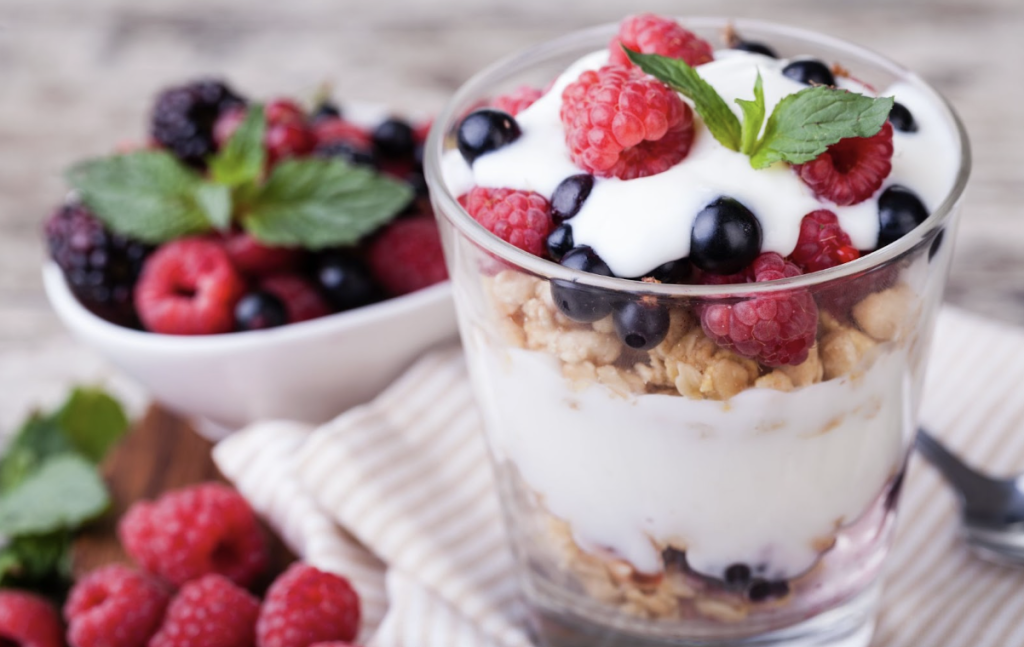
Doucleff’s approach was simple. If a food had ingredients that her 8 year old, Rosy, couldn’t pronounce or that they wouldn’t use to cook at home, i.e., maltodextrin or soy lecithin, they wouldn’t eat it. That meant cutting out their favorite snacks: no Cheez-Its, Ritz Crackers, Pirate’s Booty, pita chips, milk chocolate, or even flavored sparkling water. They traded them for whole foods like beans, nuts, fruits, veggies, cheese, and oatmeal — with zero limits on how much they could eat. Doucleff saw a change in less than two weeks.
“About 10 days in, I noticed a striking shift: I wasn’t constantly thinking about food. Before, I carried around what some call food noise. I had persistent, nagging thoughts about what to eat next. Chocolate? Banana bread? A salty, crunchy snack? Without UPFs, my cravings faded.” For many folks, including myself, the end of food noise would be enough. But knowing how quickly eliminating UPFs also transformed young Rosy could be everything to many parents – she became newly enthusiastic about healthy meals. Studies affirm the change: When people switch to less processed diets, cravings actually drop, and they tend to enjoy whole foods more.
“After you eat a big hit of crackers or pretzels, two hours later, you’re getting this blood-sugar crash, and you’re craving more snacks that contain refined carbohydrates,” explained psychologist Ashley Gearhardt. “It’s hard to have the hunger for real food if you’ve already eaten so many energy-dense foods throughout the day.” Conversely, exchanging UPFs for whole, healthy foods can undo cravings. “If you normally don’t eat high-calorie foods or UPFs, then eating a fresh carrot is rewarding because it tastes sweet,” said Eric Stice, a psychologist at Stanford University.
How cutting out ultra-processed foods affects mental health
Eating better bodes well for mental health, too. A 2017 randomized study of 95 adults with depression found that those who completed a 90-day diet rich in vegetables, fruit, nuts, legumes and whole grains had a greater reduction in depressive symptoms and better overall mental health scores than subjects who participated in a regular social group instead.
Doucleff noticed such an improvement in her own mental health that she didn’t even have to resist UPFs anymore. “I simply didn’t want them,” she said. Things proved tougher for her daughter Rosy, and I totally understand. My daughter walks a similar battlefield, booby-trapped by UPFs everywhere – in the after-school program, at birthday parties and, worst of all, at my mom’s house. For Rosy, resisting foods everyone around her was enjoying proved super stressful.
To help her more easily navigate the terrain, the family drafted a context-setter, based on advice from Dr. Gearhardt – an agreement about places and times to keep UPF-free. Doucleff’s family opted to stay UPF-free at home and in their cars, but be less strict in other places, helping to maintain a reduction in cravings for Rosy, while also eliminating her stress around special events.
Cutting UPFs has also made the family more engaged with each other through cooking. “I think it’s really important to teach children to cook and that cooking is pleasurable,” said Agnes Ayton, a psychiatrist who encouraged Doucleff to teach Rosy how to cook. Making meals from scratch takes more time, but kitchen gadgets like a slow cooker and air fryer help, she said. Doucleff also invested in a bread machine and pressure cooker. With cravings gone and moods better overall, Doucleff and her family have learned that healthy foods not only taste better, but, perhaps most gratifying, they’re part of the foundation for healthier lives together.
Related Reading
The Link Between Eating Disorders and Too Little Food at Home
By Courtney Wise • Quick Takes • September 3, 2025
Mental health can't wait.
America is in a mental health crisis — but too often, the media overlooks this urgent issue. MindSite News is different. We’re the only national newsroom dedicated exclusively to mental health journalism, exposing systemic failures and spotlighting lifesaving solutions. And as a nonprofit, we depend on reader support to stay independent and focused on the truth.

It takes less than one minute to make a difference. No amount is too small.
The name “MindSite News” is used with the express permission of Mindsight Institute, an educational organization offering online learning and in-person workshops in the field of mental health and wellbeing. MindSite News and Mindsight Institute are separate, unaffiliated entities that are aligned in making science accessible and promoting mental health globally.


Author

Related Articles

Trump freezes $10 billion in childcare aid to 5 Democratically-led states, baselessly claiming “widespread fraud”
A $10 billion federal child care funding freeze targets California, Colorado, Illinois, Minnesota, and New York.

Seeing Guilt for What It Is: Motivation to Change
Psychology professor Chris Moore explores the difference between guilt and shame, revealing how healthy guilt can motivate healing, repair relationships, and drive restorative justice.

New Senate Bill Targets ‘Troubled Teen’ Industry and Residential Treatment Abuse
Senator Ron Wyden introduced the BRIDGES for Kids Act to increase oversight of residential treatment centers and create a national dashboard to track abuse.
