Teens in One Bay Area School District Turn to Peers for Mental Health Support
A school district in northern California adds youth peer counselors to its robust menu of mental health services.
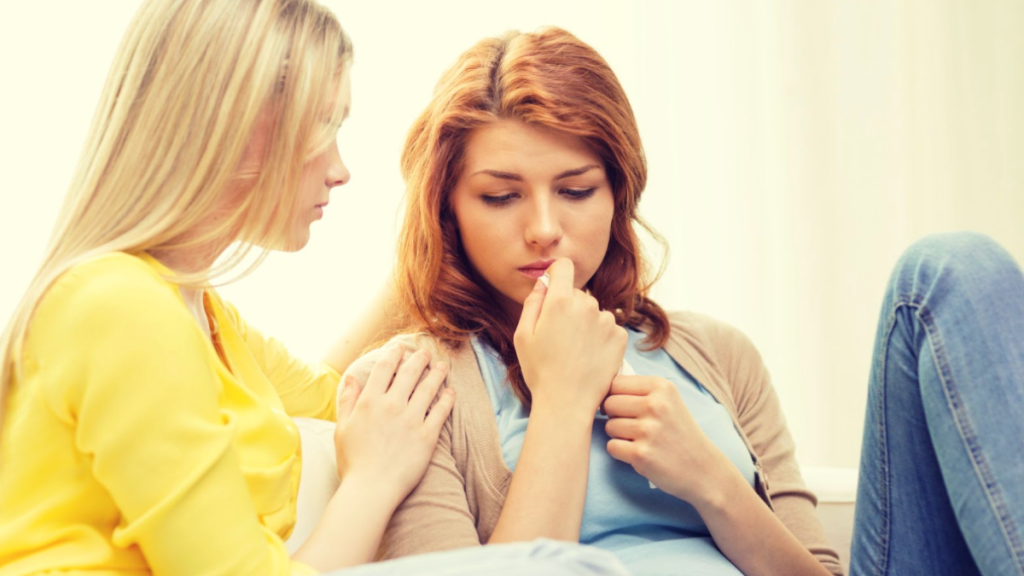
Administrators in the Mountain View-Los Altos Union High School District were confronted by a mental health crisis in their schools. But the issue wasn’t resources – Mountain View High has six therapists on campus, as well as referral options for those who need it. So they decided to turn to the youth themselves for a solution.
For last year, the peer-support program’s first, 18 students were peer counselors. This year’s peer-counseling roster has grown to 26, with many returning. Their job is to help mitigate a tough reality: Nearly one-third of the district’s juniors reported feeling “so sad or hopeless” that it disrupted their lives, and 14% said they seriously considered suicide.
“People are just really lonely,” Mountain View junior and second-year peer counselor Anoushka Dugar told the San Francisco Chronicle. “No one really knows how to get out of that cycle.” With only one in four students in the district making use of the school’s mental health programs, the hope is that teens hesitant to turn to adults will feel more comfortable seeking help from other teens.
While outcomes are hard to measure – confidentiality is important – anecdotal and observational results are promising. School therapist Josune Sullivan remembered one student who initially came in withdrawn but, after their third week with a peer counselor, left their session “laughing” and saying, “See you next week.”
At Mountain View, peer counselors offer one-on-one support in the “Spartan Spot,” a dedicated wellness center with twinkling lights, calm-inducing images, and a soundproof nook for private conversations. They’re trained to maintain strict confidentiality, avoid giving advice and, most importantly, listen and not judge. Remaining judgment-free helped Dugar when one of her clients “didn’t want to talk about what was going on at home, even though I knew from my meeting (with Sullivan) about some of the issues,” she said.
Thirty students are now in peer-counselor training at the district’s other secondary school, Los Altos High, though they likely won’t all be needed right away. “We go slow to go fast,” Mountain View counselor Michelle Campusano said – they currently have more peer counselors than regular clients. Pretty soon peer counselors will also be able to earn early college credits, thanks to a concurrent enrollment with Foothill College.
That formal recognition is much needed, as their duties add to an already-heavy workload: academic pressure is the most common issue counselors discuss with their peers.
The name “MindSite News” is used with the express permission of Mindsight Institute, an educational organization offering online learning and in-person workshops in the field of mental health and wellbeing. MindSite News and Mindsight Institute are separate, unaffiliated entities that are aligned in making science accessible and promoting mental health globally.


Author
Related Articles

Does Contemporary “McMindfulness” Reinforce Our Suffering?
A Buddhist teacher and professor argues that a commodified mindfulness solely focused on the self is only a stopgap fix.
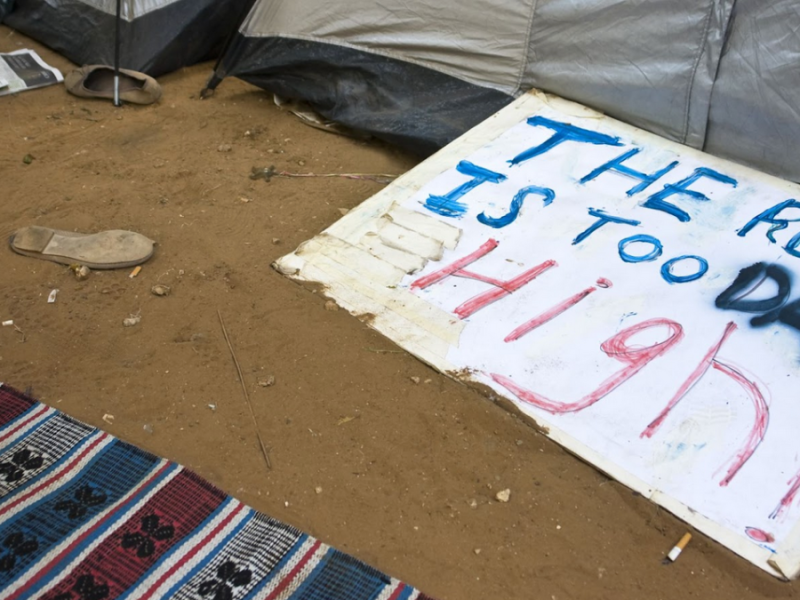
“No Beds”: Despite Improvements, Detroit’s Shelter System Continues to Let Families Down
When a Detroit mom and her two sons faced homelessness last year, she spent months calling the city daily for beds – in vain.

988 call responses plummet in Georgia after insurer cutbacks
After an insurance company made cutbacks, Georgia’s 988 response rate to mental health crisis calls “fell off a cliff.”
