
Autism Isn’t New. We Just Used To Call It Something Different
A leading expert says the Trump administration’s claim that autism is “preventable” is dangerous, false and unscientific.
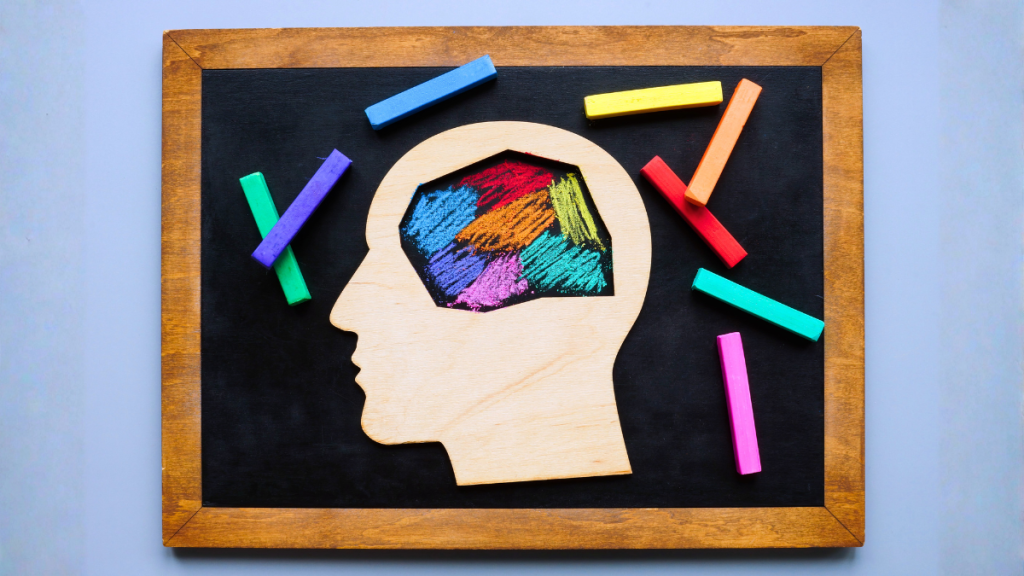
The Trump Administration’s campaign to eliminate autism, with claims that the condition may be “entirely preventable,” is dangerous, wrong, and deeply unscientific, according to Professor Roy Richard Grinker, author of Nobody’s Normal: How Culture Created the Stigma of Mental Illness, writing in a guest column published by the New York Times. The fact that we hear more about autism now, he writes, speaks to scientific advancements, including early detection, better education, and improved therapies. (Take a look at our review of Dr. Grinker’s tour de force Nobody’s Normal, a book that makes a compelling argument for embracing neurodiversity.)
Key facts undercut the administration’s narrative. Citing “dozens of rigorous studies,” Grinker notes that vaccines do not cause autism. Furthermore, genetics are multifaceted: He quotes neurogeneticist Stanley Nelson as saying “If you had 100 kids with autism, you could have 100 different genetic causes.”
And here’s the real humdinger – researchers increasingly view autism not as a single disorder along one narrow spectrum, but as “autisms,” between which symptoms, severity and biological pathways vary widely. That complexity is why promises of a “fix” are ludicrous and untenable. “The neurobiology is too complex for easy explanations,” Grinker says. “The more we learn, the more we realize that scientific answers to the question ‘What causes autism?’ or even ‘What is autism?’ will take a long time to unravel, no matter how quickly a government official wants them.”
“We’ve come too far to go back to a time when autism was a stigmatized condition defined solely in terms of deficits,” Grinker writes. “There is an especially pressing need to study how people with autism change over their life span, and which treatments and services help them thrive. Autism research has long focused on children, but people’s ability to change doesn’t end when they turn 21.”
He adds that his daughter Isabel, who is autistic, ”is today one of the happiest and busiest people I know, but many of the strides she made to get there happened as an adult… What matters most to Isabel isn’t finding someone to blame, since she likes herself the way she is. What matters to her is continuing to build a meaningful life with the social supports and opportunities that were unavailable to people with autism in the past.”
The name “MindSite News” is used with the express permission of Mindsight Institute, an educational organization offering online learning and in-person workshops in the field of mental health and wellbeing. MindSite News and Mindsight Institute are separate, unaffiliated entities that are aligned in making science accessible and promoting mental health globally.

Author

Related Articles
“No Beds”: Despite Improvements, Detroit’s Shelter System Continues to Let Families Down
When a Detroit mom and her two sons faced homelessness last year, she spent months calling the city daily for beds – in vain.

988 call responses plummet in Georgia after insurer cutbacks
After an insurance company made cutbacks, Georgia’s 988 response rate to mental health crisis calls “fell off a cliff.”