
Peacock Parenting: The Perils of Being Raised by a Narcissist
“My Parent The Peacock” offers a guide to recognizing the damaging signs of emotional exploitation and gaslighting by a narcissistic parent.
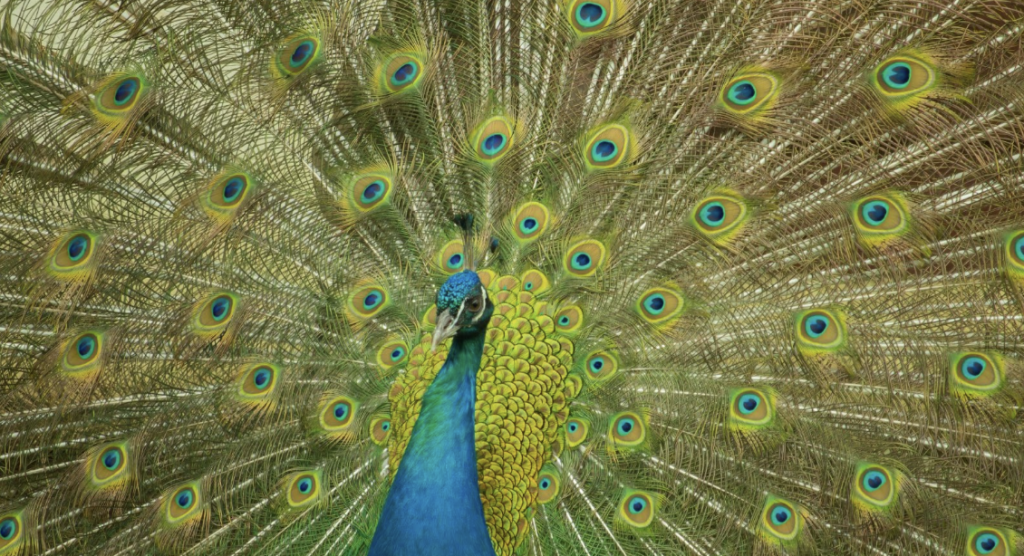
We learn a lot from our parents, including our early relationship skills, making it hard to know if something wasn’t quite right in how we were raised. Therapist Kathleen Saxton’s new book, My Parent The Peacock, aims to address some of that problem by helping people recognize the signs of a narcissistic parent, and learn how to recover from one.
As the Guardian says, such children “might have grown up being controlled, in an environment where love was conditional, gaslighting was common, and they were often blamed, belittled and criticized. Their parents’ needs came above their own, and their mother or father was emotionally exploitative. The consequences of these experiences may have continued into adulthood.”
Saxton says her personal experience with narcissistic personality disorder (NPD) came not from her family, but from a boyfriend, although he wasn’t officially diagnosed. The toxic relationship “left me a shell of my former self,” she said. Despite her background as a therapist, it took her two years to recognise the problem – signs can be minor, and excusable in isolation, but can add up to a troubling pattern that shouldn’t be ignored.
“If you really want a relationship to work, you excuse it,” Saxton told the Guardian. “Maybe I’m being a certain way, or maybe they’re struggling because of their previous breakup. You come up with all these reasons. If I work harder, try harder, I’m more accepting … You find arguments as to why you’re putting up with this.” She described it as, “the most challenging experience of my lifetime. It takes you apart. It quietly dismantles you, and everything you thought to be true or normal is no longer true or normal because you’ve been sucked into living in their fantasy world, the world that needs to be true for their mask to stay on. You have to abide by this false ecosystem, and the cost, if you don’t, is expulsion or being ridiculed or dismantled.”
Signs of a narcissist parent
In a separate interview with ITV, written up by the outlet Twyla, Saxton advises people to be on the lookout for clues like exploitative behavior, a lack of empathy, over-the-top arrogance and selfishness, or responding to criticism with rage. “So you’ll either get a sort of what we call a narcissistic collapse if you criticise them, or they’ll attack you one way or the other.”
Children “absolutely“ have a chance at rebuilding a relationship with their narcissistic parent, she told the Guardian, but “directly addressing or fighting with a narcissist is going to get you nowhere.” Good boundaries and not giving narcissists the drama they crave is important to recovery and healing, for both parties. “Whether the parent’s alive or dead, it doesn’t matter how old you are, you can absolutely reclaim your life.” But be aware: “You’re never going to get an apology. You’re never going to get validation, you’re never going to get an explanation.”
The name “MindSite News” is used with the express permission of Mindsight Institute, an educational organization offering online learning and in-person workshops in the field of mental health and wellbeing. MindSite News and Mindsight Institute are separate, unaffiliated entities that are aligned in making science accessible and promoting mental health globally.

Author

Related Articles

New Mexico Investigates Allegations of Abuse, Buried Bodies on Epstein’s Zorro Ranch
State lawmakers say their state’s Epstein Truth Commission is the first full investigation into the property.
Brain Training Reduced Dementia Risk by 25% for Up to Two Decades, Study Finds
A new study tracking people over time found those who completed cognitive speed training sessions were 25% less likely to be diagnosed with dementia 20 years later.
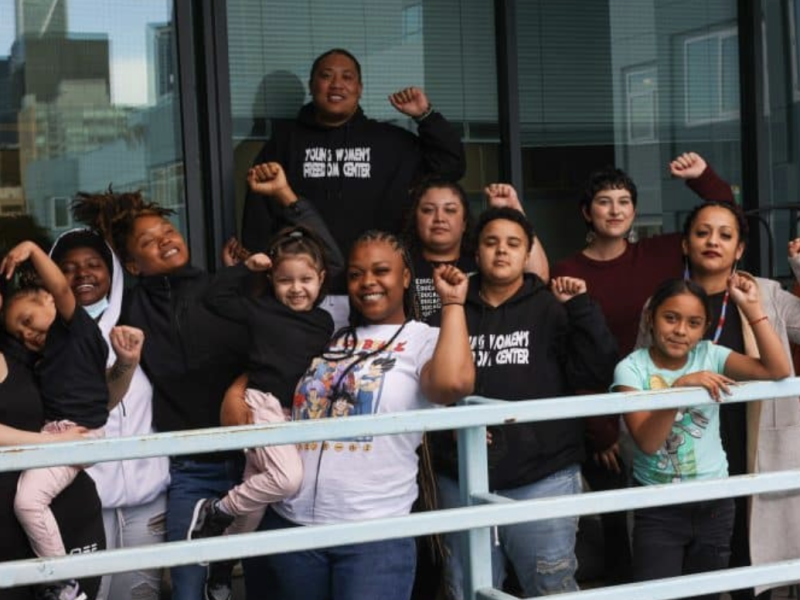
Young Women Driving Justice and Mental Health Change to Take Stage at Bay Area Event
MindSite News hosts the Young Women’s Freedom Center and Congresswoman Lateefah Simon at the Commonwealth Club for a public conversation on healing, leadership and justice.
