
What Comes Next for the Children of Gaza and Israel?
A look at the Gaza ceasefire, the difficult road to rebuilding and addressing mental health needs there, plus tips for couples on de-escalating arguments, and the changing trend of veteran suicide in the US.

Hello, MindSite News readers.
In this edition, we mark the negotiated ceasefire in Gaza and the release of Israeli hostages — and think about the long road ahead for rebuilding Gaza and addressing the profound mental health needs of Palestinian children and families. In other news, tips for couples on words that can defuse even the most heated of arguments. The rise – and recent fall – of veteran suicide in the US. Plus: How hallucinogens may have helped ancient cultures bond after upheaval.
At a Potential Turning Point, What Comes Next for the Children of Gaza?
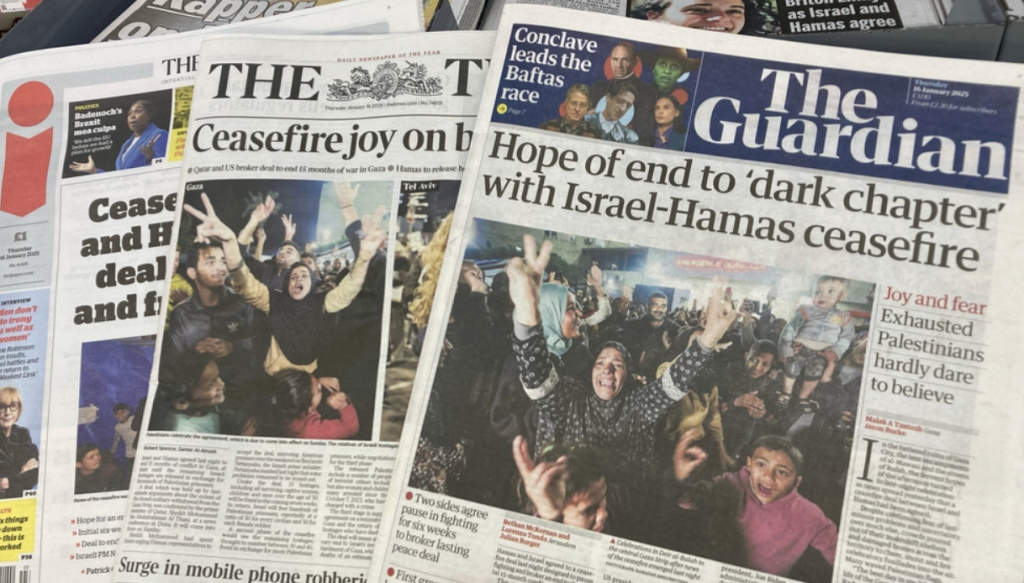
The deadliest chapter in the history of the Israeli-Palestinian conflict has turned a page with yesterday’s return of 20 living Israeli hostages and release of almost 2,000 Palestinian prisoners. Attention now turns to the uncertain next steps in the ceasefire and peace process (already interrupted by the killing of at least seven Palestinians by Israeli soldiers today), the urgent humanitarian needs of Palestinians in a land reduced to rubble – and how to address the trauma experienced by people on both sides. Perhaps the first question is: Will Israel permit the increased flow of aid needed to prevent starvation?
The impact on the 2.1 million people who live in Gaza is almost immeasurable. Here’s a snapshot of the toll from NPR:
Out of every 10 people, one has been killed or injured in an Israeli strike. Nine are displaced. At least three have not eaten for days. Out of every 100 children, four have lost either one or both parents. Out of every 10 buildings that stood in Gaza prewar, eight are either damaged or flattened. Out of every 10 homes, nine are wrecked. Out of every 10 acres of cropland, eight are razed (more than three out of every four hectares).
We asked the United Nations Children’s Fund (UNICEF) about the extent of the problem and the needs that must be met. Here are brief replies to our questions from UNICEF Emergency Communications Specialist Joe English:
After two years of war, and of massive death and destruction in Gaza, what are the mental health needs of Gazan and Israeli children and, in the case of Gazan kids, how can they best be met given the complete devastation and lack of infrastructure?
After two years of war, children in both Gaza and Israel have faced violence, fear, and loss. Children in Gaza have lived through more than two years of displacement, destruction, and repeated, unrelenting, exposure to distressing events, with limited or no access to safe spaces or mental health care. Despite the devastation, their needs can be met through urgent scale-up of community-based psychosocial support, mobile teams, safe learning spaces, and caregiver guidance to help children process their experiences and begin to heal.
How would you describe the mental health impacts of this kind of sustained trauma for children in Palestine and in Israel?
We know that sustained trauma can have lifelong impacts on children. Children in Gaza face risks of PTSD, anxiety, and toxic stress due to repeated exposure to extreme violence and loss, compounded by the collapse of essential services. Israeli children exposed to conflict may also experience anxiety and behavioral issues, but generally have greater access to mental health support and educational stability, which offers stronger protective factors.
What does the international community need to do to provide psychological as well as material support for Gazan children?
The international community must prioritize both psychological and material support for children, ensuring mental health and psychosocial services are part of every humanitarian intervention. This includes rebuilding schools and health facilities, supporting caregivers, and ensuring safe, sustained humanitarian access. Without this, children cannot recover or regain a sense of normalcy and safety essential to their development and well-being.
What are the strategies that are now being deployed or recommended within Gaza to help children and their parents stay grounded emotionally?
In Gaza, UNICEF and partners are delivering psychosocial support through mobile teams, child-friendly spaces, and structured activities that help children express emotions, rebuild routines, and feel safe. Support for parents is also critical, with guidance to help them manage stress and care for their children in crisis. These low-resource, community-based approaches offer a lifeline amid the collapse of formal mental health infrastructure.
When I grew up, I and other kids used to “trick or treat” for UNICEF at Halloween when we were collecting candy. Is that still a thing, and is UNICEF conducting a fundraising effort to support children in Gaza?
Yes! We didn’t have it back home in the UK, but I now have two half-American 2-year olds, and am looking forward to doing it.
The funds raised go into our flexible funding – allowing us to distribute where needs are greatest as well as to programs that provide essentials like education, safe water, vaccinations and more – and it will certainly include Gaza. Here’s a link: Trick-or-Treat for UNICEF | UNICEF USA. – Rob Waters
Eight Phrases to Help Your Relationship Thrive – Despite Arguments

When I saw this headline in the New York Times, I eagerly scanned for the phrases my husband and I use to cool our arguments. I was sorry not to see any of them except “Thank you.” But even that one simple phrase has helped us resolve our arguments a lot sooner than we used to.
Times writer Catherine Pearson opens with some phrases that are better left unsaid. “When my husband and I argue,” she writes, “all he has to do to drive me bonkers is tell me to ‘calm down.’ Deploying those words is akin to pouring oil on fire, therapists say. Meanwhile, my bad habit is defaulting to phrases like ‘you always’ – another no-no.”
In search of ways to calm things down, Pearson asked couples therapists to share “magic words that can strengthen bonds, even in the middle of a disagreement.” Here are some of their suggestions:
“You start.” In the heat of an argument, people often talk over each other, desperate to get their grievances out. John Cordova, a psychology professor and author of The Mindful Path to Intimacy, describes it as “like two fire hoses pointed at each other.” Saying “You start” can “flip that script,” he told the Times, and communicate that you really do want to understand your partner’s perspective.
“Can we slow down?” Things can get overheated fast, and a simple suggestion like this can tamp down negativity and defensiveness. Since it involves both of you, it’s much better than saying “calm down,” which one expert warns can be “emotionally dismissive.”
“I see the impact it had on you.” Often we can spend a lot of time defending our intentions, as in “I didn’t mean for that to hurt you.” If we want to make amends, we need to begin by acknowledging the other person’s feelings – whether or not we meant to hurt them.
“Would that be ok?” A quick check-in (for example, before broaching a difficult subject) can make your partner less defensive – asking for permission communicates that you’re coming to the conversation with kindness.
The subtext of most of the list is conveying that you care about your partner’s needs and feelings – either by showing that you want to know more, or that you’re willing to make an effort for them. Other useful phrases include “What do you feel that I’m not getting about your experience?” “What does the relationship need from us right now?” and “Let me try that again,” which is especially useful if you feel you’ve messed up and want to make it right. Experts say happy couples are good at “repair attempts” like these.
The list ends with “Thank you,” the one phrase from this powerful list that my husband and I know well, although we now plan to try out some of the others. And one can hardly say those two words enough, since relationships are built on gratitude, according to psychotherapist Terri Cole. Expressing thanks sends a crucial message, she says: “You are appreciated.”
Veterans, 9/11 and suicide: Why did rates go down between 2020 to 2022?
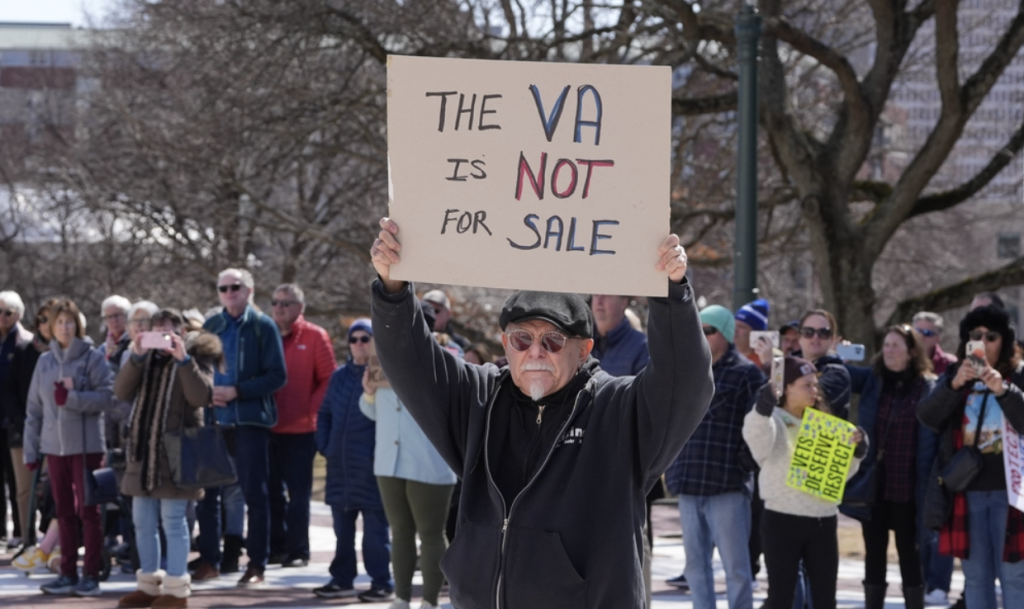
By 2022, suicide was the 11th leading cause of death in the United States, accounting for nearly 50,000 deaths. Recent studies have found that military veterans who served after the 9/11 attacks had higher suicide rates compared to the general US adult population, particularly veterans with traumatic brain injury (TBI). Suicide rates among veterans with and without TBI rose greatly from 2006 to 2020.
In this retrospective cohort study, published in a JAMA Open Network Research Letter investigators analyzed data through 2022 to see whether those trends changed after 2020. They found that veteran suicide rates declined steeply from 2020 to 2022 – and that government programs, such as the Prevention 2.0 Initiative, the Suicide Prevention Now initiative and the President’s Roadmap to Empower Veterans, may have contributed to the drop in suicides. Consideration of these potential impacts “is critical as the government considers budget cuts to VA programs,” the researchers concluded.
We reached out to lead author Jeffrey T. Howard, a professor of public health at the University of Texas at San Antonio, for comment. “The short answer to your question about the steep rise and then steep decline in suicide rates is that we really don’t know what is driving these trends,” he told MindSite News in an email. Some of his colleagues and military veterans, he said, have speculated that the rise in suicide between 2006 and 2020 was linked to “an increasing disconnect between military service and civilian life in the US, which has led to an environment of increasing malaise, alienation and despair in veteran population.”
“Why the decrease after 2020?” Howard continued. “We don’t know, but we are proposing some new studies to try to evaluate the (use) and effectiveness of several suicide prevention efforts, including the Veterans Crisis Line. If funded, this effort would help us get some answers to this question.”
Don Sapatkin contributed to this report.
In other news…
A patented formula of MDMA receives study clearance from FDA. Arcadia Medicine announced that AM-1002, its patented formulation of MDMA, has been granted Investigational New Drug status by the U.S. Food and Drug Administration. This helps researchers “more easily study controlled substances that are not yet approved by the FDA by granting approval for the drug to be transported and distributed across state lines,” according to The Microdose newsletter.
MDMA has been called “the love drug” and “ecstasy” for its ability to increase empathy, affection and feelings of bliss, and is normally made up of two mirror-image chemicals. Arcadia’s formulation has much more of one of those forms, specifically the one thought to stimulate serotonin receptors rather than provoke visual effects and high blood pressure. Arcadia describes it as “non-neurotoxic,” and plans to investigate the use of its “improved therapeutic profile” in treating generalized anxiety disorder. Meanwhile, the newsletter reports, the FDA has recommended that Lykos Therapeutics – known for its research on MDMA as a treatment for PTSD – conduct another Phase 3 clinical trial, but the company has not shared any new plans.
Distant war and discrimination at home add up to a multiverse of trauma for many Muslims: “Since Palestinians began broadcasting the live devastation of Gaza in October 2023, many Muslim individuals have found themselves living two simultaneous realities,” JAMA Psychiatry observed in a recent article. “In one, they have witnessed flattened neighborhoods, mass casualties, starvation, and pleas for help; in the other, they have walked through streets where keffiyehs, hijabs, or pro-ceasefire slogans could trigger suspicion, verbal abuse, or targeted violence.” In 2023, for example, three college students of Palestinian descent were attacked in Burlington, Vermont. They were coming back from an 8-year-old relative’s birthday party, according to family, and two of them were wearing keffiyehs and speaking Arabic when they were shot and one grievously injured by a white man, a former Boy Scout leader who was charged with attempted murder.
Daily reminders of the death and suffering in Gaza combine with racism at home to burden Muslims with a little-recognized mental health challenge, the authors wrote. This is especially true, they noted, since Muslims have have already been weighed down “by decades of surveillance and stigma” since the September 11 attacks and trauma from other crises, including wars in Iraq, Lebanon, Syria and Yemen.
Could hallucinogens have fostered harmony in ancient empires? This week’s edition of The Microdose also reported on a new Spanish-language paper which argues that “recent archaeological discoveries suggest that ancient peoples consumed psychedelics, often as part of a communal ritual.” Published in the archaeology journal Revista de Arqueología Americana, the paper focuses specifically on the Wari Empire of Middle Horizon Peru, and argues that neuroplasticity elicited by substances like vilca – which they regularly consumed in beer at feasts, and whose active ingredient resembles DMT – may elicit “enduring pro-social feelings,” and that that “‘afterglow’ could have helped rebuild communities after the disruptions of imperial expansion.”
The name “MindSite News” is used with the express permission of Mindsight Institute, an educational organization offering online learning and in-person workshops in the field of mental health and wellbeing. MindSite News and Mindsight Institute are separate, unaffiliated entities that are aligned in making science accessible and promoting mental health globally.

Author

Related Articles

1 in 8 Youth Turn to AI for Mental Health. ‘It Just Tells Me What I Want to Hear’
Youth with the deepest emotional needs are using chatbots for therapy the most – but many are unhappy with the outcome.
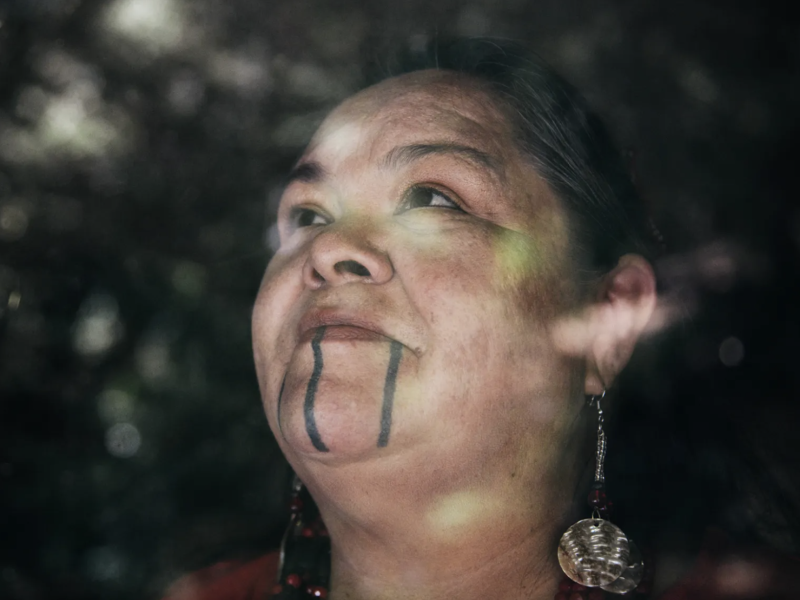
California Tribal Advocate Who Fought to Prevent Suicides Dies in Apparent Murder-Suicide
Celinda Gonzales of the Yurok Tribe worked to prevent suicides among Native Americans after losing a son and a brother. She “was a friend to many,” the tribe said.
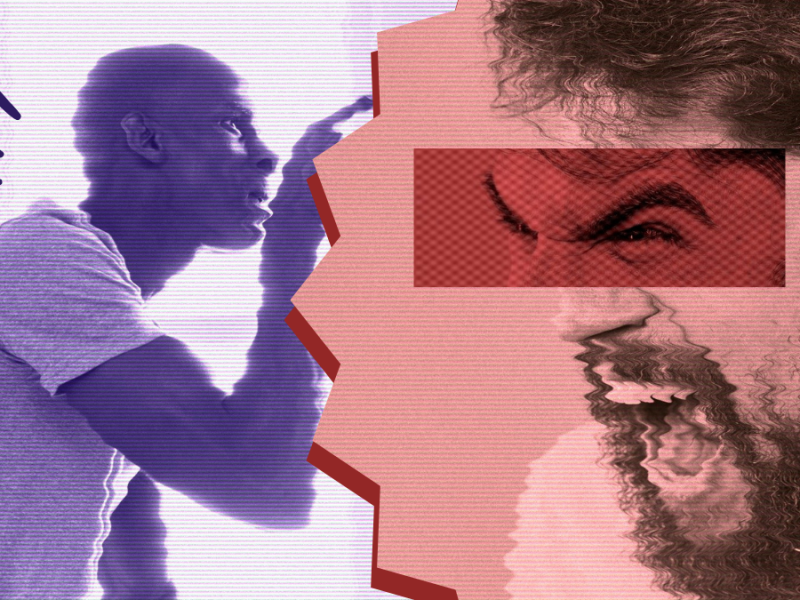
Countering the ‘Dark Passions’
Across liberal democracies and nations, like the U.S., that are sliding out of the democratic zone, autocrats are weaponizing our most divisive emotions. In “Anger, Fear, Domination,” William A. Galston offers a guide to how these passions spread and what it takes to keep them from overwhelming us.
