
What’s the Parenting Paradox, and What Might It Tell Us About How to Be Happy?
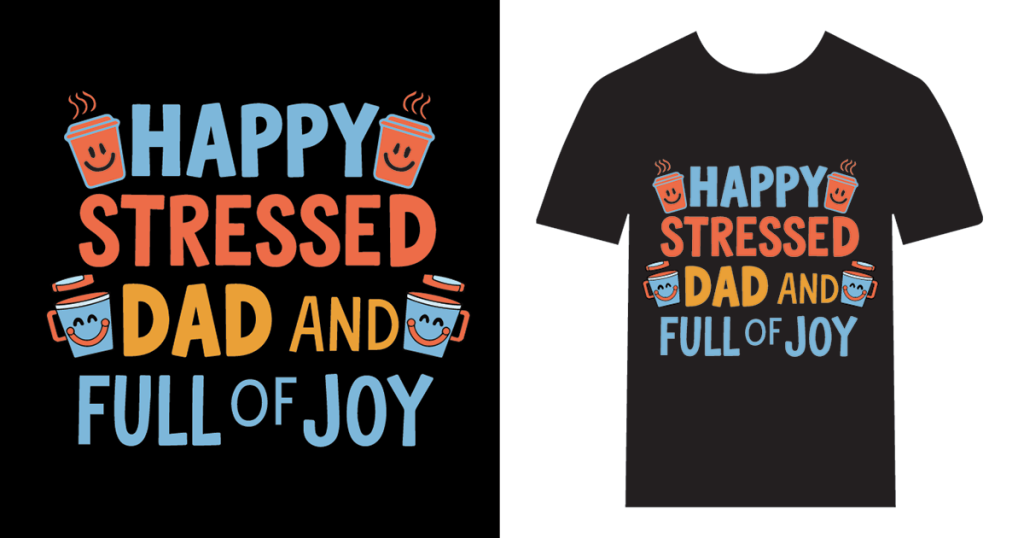
When my daughter was two weeks old, I made a Facebook post questioning the sanity of people who, having had a child, decided to turn right around and make another. My daughter had just gone on a nursing strike, refusing to latch to my breast. I hadn’t so much as opened a breast pump or washed a bottle before. It was an incredibly stressful time.
Four months passed before I began to enjoy parenting my kid. The hazing, a phase everyone else calls “newborn,” isn’t a time I’d like to revisit – even though I also believe it’s the easiest part of parenting! At 7, my kid still requires significant help getting to sleep every night, and wakes up at least once, needing the same support to go to sleep again. This means two things: She doesn’t get enough rest, which can lead to behavioral challenges during the day, and I have barely slept in the last 8 years.
But my daughter is also the great love of my life. The thought of her brings me excitement and joy. She is creative, artistic, genuine, empathetic, hilarious, and is becoming a great critical thinker. She’s curious, outspoken, and brave. I look forward to admiring the woman she grows up to be. I am grateful for who she pushes me to become by existing. Put simply, I just love getting to love her. Her presence makes me want to live longer. I love being her mom. This is the parenting paradox.
The parenting paradox – the observable fact that many parents report more stress and lower day-to-day mood but greater overall life satisfaction than nonparents – can be explained by how the brain and mind separate short-term emotion from long-term meaning, Scientific American reports. Parenthood means serious stress – but for many, it also deepens the sense that life has purpose and meaning. That sense can mean resilience in the face of future hardship. But, it turns out, becoming a parent doesn’t guarantee you find it.
In a study of 88 first-time fathers, roughly half reported greater meaning in life six months after their child’s birth. Brain scans revealed that fathers who experienced parenting positively showed connectivity changes in regions linked to empathy and self-control, while those who struggled showed changes in areas potentially tied to sensory overload. That’s a clue to the parenting stress and satisfaction balance: Fathers whose sense of purpose grew displayed stronger connectivity in regions that integrate emotions with identity, suggesting that those who can weave parenting’s chaos into a coherent internal story – putting daily stress into context – thrive despite difficulty.
But another study found that nonparents are, proportionally, about as satisfied with their lives as those who have kids. In that study, well-being correlated less with parenting status and more with how intently young adults aspired to having kids.
Many parents find child-rearing tough but worth it, because it’s the sum of years, not an individual day, that counts. They frame their experiences, joy and frustration alike, within a personal narrative of purpose, reconciling stress with satisfaction. In other words, becoming a parent isn’t some code to life fulfillment and purpose. That’s born of connection with others, a feeling that life “makes sense,” and the ability to see struggle as part of something worthwhile.
For further reading: Here are some MindSite News parenting stories you may have missed and more from our parenting newsletter archives.
Mental health can't wait.
America is in a mental health crisis — but too often, the media overlooks this urgent issue. MindSite News is different. We’re the only national newsroom dedicated exclusively to mental health journalism, exposing systemic failures and spotlighting lifesaving solutions. And as a nonprofit, we depend on reader support to stay independent and focused on the truth.

It takes less than one minute to make a difference. No amount is too small.
The name “MindSite News” is used with the express permission of Mindsight Institute, an educational organization offering online learning and in-person workshops in the field of mental health and wellbeing. MindSite News and Mindsight Institute are separate, unaffiliated entities that are aligned in making science accessible and promoting mental health globally.


Author

Related Articles
New Senate Bill Targets ‘Troubled Teen’ Industry and Residential Treatment Abuse
Senator Ron Wyden introduced the BRIDGES for Kids Act to increase oversight of residential treatment centers and create a national dashboard to track abuse.

Torment and Trial: A Boston Globe Columnist Discusses Her Series on Race, Insanity and Criminal Prosecutions
A MindSite News interview looks a a columnist’s seven-part series on the insanity defense in criminal cases.

What Is Trump Derangement Syndrome?
Trump Derangement Syndrome is a term President Donald Trump and his allies are using to deride his opponents.
