Is FOFO — Fear of Finding Out — Delaying Important Health Diagnoses?
The pros have some advice: Risk vulnerability and talk with your doctor about it.
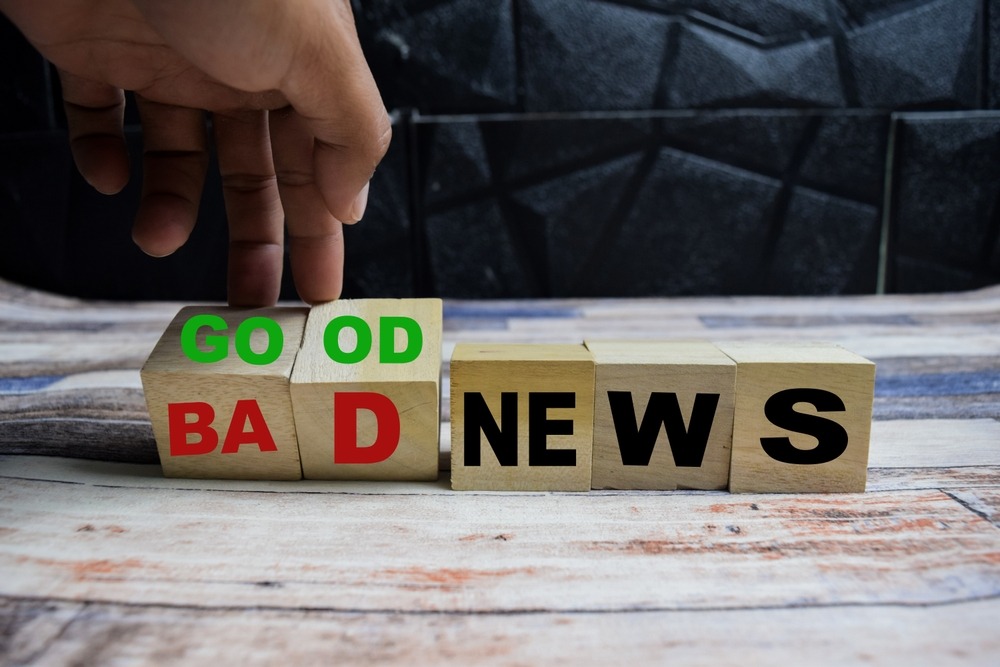
Many are familiar with the term FOMO, or fear of missing out. But what about FOFO?
While not an official condition, mental health clinicians say the term is used informally to describe how people avoid vital health screenings due to anxieties about what might be discovered. These include mammograms, Pap smears, STD tests, blood tests, and full-body skin cancer checks, Time Magazine reports.
A 2025 survey covering employed adults from supplemental insurer AFLAC found that three out of five respondents avoid important health screenings. Moreover, another survey from Prevent Cancer noticed a 10% reduction in the number of US adults 21 or older who had a routine appointment or cancer screening from 2024 to 2025.
In part, FOFO stems from our tendency to prioritize the short-term – we might put off the stress of medical investigations even as it imperils our long-term health. But that can also mean spending longer with those anxieties. “It’s to your benefit to get the test – you’re either going to be relieved that nothing is wrong, or you’re going to know what you’re dealing with,” says psychologist Jonathan Abramowitz. “The anticipation is often worse than the actual outcome.”
If you’re reading this and know FOFO is something you struggle with, the pros have some advice: Risk vulnerability and talk to your doctor about it. They can help you develop a plan for dealing with the uncertainty of waiting for test results, or work with you to reduce that wait by scheduling multiple necessary screenings within the same time period. To make appointments less daunting, you might also consider taking a trusted friend with you, and rewarding yourself with a treat afterwards.
Most importantly, remember that taking the screening and getting the results is aimed at empowering you to give the best care to yourself. Lynn Bufka, head of practice at the American Psychological Association, puts it simply: “Facing the fear helps us make choices that are more in line with our values.”
The name “MindSite News” is used with the express permission of Mindsight Institute, an educational organization offering online learning and in-person workshops in the field of mental health and wellbeing. MindSite News and Mindsight Institute are separate, unaffiliated entities that are aligned in making science accessible and promoting mental health globally.

Author

Related Articles



Can’t Sleep? Blame Your Stone-Age Brain and Consider These Expert Tips for Rest.
Our brains refuse to wind down in a digital world filled with constant notifications and pressure to respond immediately.