Troubled Teen Industry in Illinois Roiled By Sexual Assault Charges

Dear MindSite News readers,
It’s past time to call the US’s troubled teen industry what it is – an abusive system whose bad actors should all be shut down – and to start providing teens with mental health issues with decent care in the safety of their own homes, families and communities.
In today’s daily, a deep dive into that problem: Investigative journalist Art Levine, author of our 2024 troubled teen series, reports on lawsuits against Universal Health Services alleging widespread sexual assault against child and teen patients in their facilities. And a new bill aims to prevent that abuse with better oversight and funding for community alternatives.
Plus: Academics are being pushed out of the South by a fear of censorship, Trump’s latest transgression, and another reason family dogs are good for kids’ mental health.
Troubled Teen Industry Rocked by Lawsuits, Sexual Assault Charges
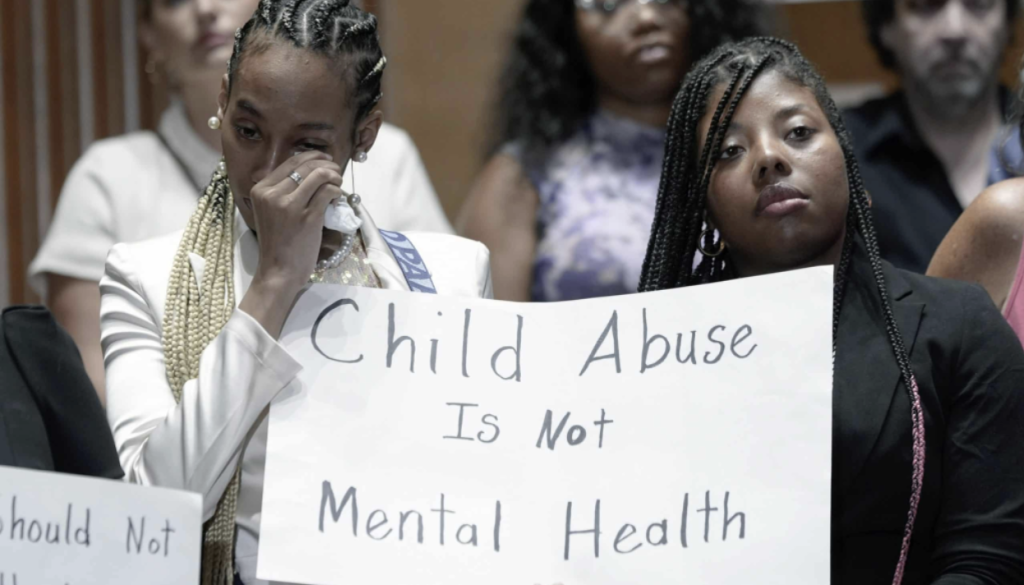
Universal Health Services Inc., one of the largest operators of behavioral health facilities in the country, was pulled back into the news last month as Illinois prosecutors charged a former mental health counselor with repeatedly sexually assaulting children as young as 7 over an eight-year span ending in 2004.
On Dec. 1, Cook County prosecutors filed five counts of assault against Edmund Rivers, 68, a former counselor at Hartgrove Behavioral Health Hospital in Chicago. The facility is the target of several civil lawsuits, and prosecutors say five more alleged victims came forward after attorney Martin Gould announced the first lawsuit against the hospital.

The mental health facility is not an outlier in Illinois: Gould says he represents more than a thousand patients who say they were abused physically, sexually and/or psychologically at youth residential treatment centers across the state, including but not limited to UHS facilities. “But the worst appears to be Hartgrove, with hundreds of sexual abuse plaintiffs,” he told MindSite News. “It was a playpen for pedophiles.
Gould described Rivers as a “serial perpetrator” and predicted more arrests and criminal charges would follow. “He’s the first domino to fall,” he said.
New bill seeks to scrutinize and move away from residential treatment centers, following reports of abuse and neglect
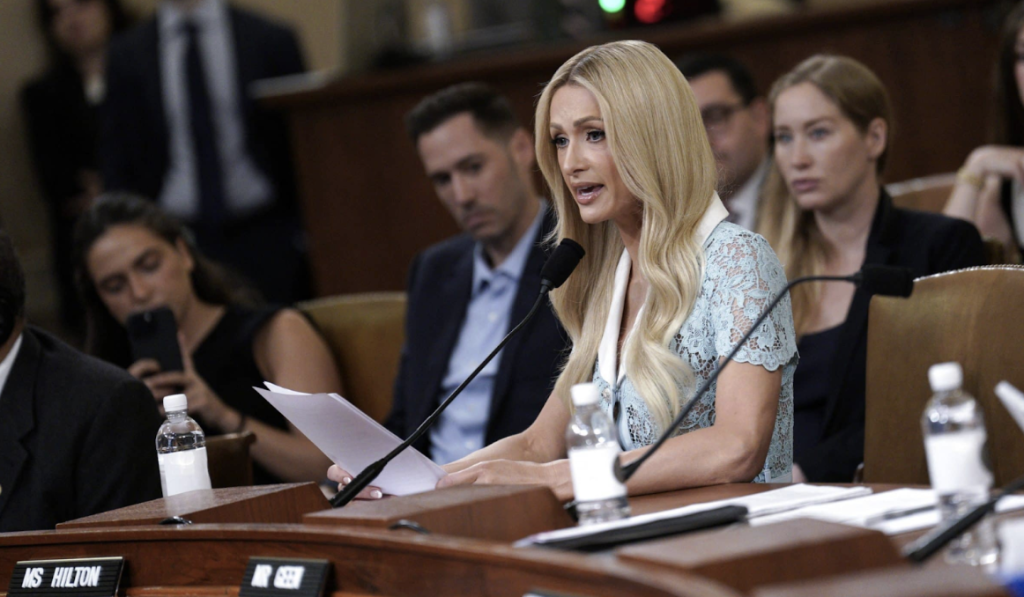
In December Senator Ron Wyden (D-Ore), introduced a Senate bill to better regulate residential treatment centers – closing loopholes that have allowed for the abuse of vulnerable youth, as NBC reported. The bill followed a 2024 report by the Senate Finance Committee, which Wyden then chaired, that capped a two-year investigation into the troubled teen industry. It found that abuse, neglect and acute safety concerns permeate the industry and are “endemic” to the residential treatment facility operating model. Further investigation found that LGBTQ+ youth were at risk of still more harm and discrimination.
“Young Americans who are struggling with their mental health or who are in foster care deserve far better than what they’re getting right now,” Wyden said, adding that the bill is intended to “give watchdogs the tools to spot and stop abuse quickly.”
As part of the proposal, the Department of Health and Human Services would create a national public dashboard that would compile and publicly report on data like how often children are restrained or secluded at residential treatment centers and make available inspection reports, staffing levels, licensing and credentials. States would be required to look into significant complaints within two days, and, if issues were found, to promptly investigate.
The bill would also no longer allow privately accredited facilities in 21 states to skip some licensing. Not only do private accreditation groups not publish details of their inspections or complaints against the facilities, there are reports of children having died in the care of these privately accredited facilities and programs.
In addition to better oversight of residential treatment, the bill would invest in community-centered alternatives, increasing federal support for mental health and substance use support delivered in the community, and for children in the child welfare system placed with kin.
(Read MindSite News’ 2024 troubled teen series here, and a “behind the story” article in which editors and writers share what motivated them to create the series.)
In other news…
A majority of Americans are worried about the extent of our involvement in Venezuela, according to a survey from Reuters/Ipsos. With that in mind, how depressing it is to see some news outlets breathlessly referring to Trump’s attack on Venezuela and kidnapping of President Nicolas Maduro and his wife as “daring,” “audacious” and a “flawless“ operation. Other commentary called the attack what it looked like – a brazen violation of international law.
The 72% of Americans (and 54% of Republicans) who told Reuters/Ipsos pollsters that they were “concerned that the U.S. will get too involved in Venezuela” may be thinking about the further destabilization of the region, especially in Colombia, and the refugee crisis and psychological trauma that entails, as well as the long-term implications of combat or occupation in Venezuela. Perhaps they are also remembering the huge numbers of U.S. veterans of the wars and occupation of Iraq and Afghanistan that returned home with PTSD or depression and took their own lives.
Also, while we’re recognizing honesty, a hat tip to those who shared the cancelled “60 Minutes” segment on CECOT, the hellish prison in El Salvador known for torture and death to which Trump sent 252 Venezuelan immigrants – the vast majority with no criminal record – early last year. The segment was yanked just hours before it was due to air by CBS’s new editor-in-chief, Bari Weiss, but was briefly available in Canada, and was shared online by Susan Zakin of Journal of the Plague Years and others.
Microorganisms might be part of why family dogs are good for mental health. A large body of research has found that pets can boost kids’ well-being, and other studies have linked dog ownership with differences in their microbiome. A new study from researchers in Japan attempted to connect those changes, as The Microbiologist reports. The study first found that adolescents with dogs had better well-being than those without. Next, researchers analyzed the saliva of those participants, and found significant differences between the two groups. They then transplanted those microbiota into mice, and found that mice treated with the dog-owning microbiome were more sociable than those treated with the non-dog-owning group’s.
“The most interesting finding from this study is that bacteria promoting prosociality, or empathy, were discovered in the microbiomes of adolescent children who keep dogs,” said author Takefumi Kikusui of Azabu University. “The implication is that the benefits of dog ownership include providing a sense of security through interaction, but I believe it also holds value in its potential to alter the symbiotic microbial community.”
ICYMI: Scientific brain drain from the south as academics, fed up with censorship, look to leave. Responding to a survey of just under 4,000 academics in 12 southern states, one educator described “a general fear of my entire career being dissolved” because of a “fear of talking openly about academic findings that may contradict political ideology.” Reporting on the study for Nature late last year, MindSite News contributor Laurie Udesky summarized their stressors as “policing of their classes, pressure to self-censor and an undercurrent of fear and anxiety.”
More than half of those surveyed would not recommend working in their state to colleagues, and a quarter were planning to apply to work in other states. More than 17% said they did not plan to stay in academia in the long term.“The fear is across disciplines,” according to Matthew Boedy, president of the Georgia Conference of the American Association of University Professors (AAUP), which conducted the survey. “No wonder so many are looking for other jobs.”
The name “MindSite News” is used with the express permission of Mindsight Institute, an educational organization offering online learning and in-person workshops in the field of mental health and wellbeing. MindSite News and Mindsight Institute are separate, unaffiliated entities that are aligned in making science accessible and promoting mental health globally.

Author

Related Articles

Kids Lonely, Isolated Without Friends To Play With in Person
As families connect virtually, it’s becoming easier for kids to play online. That makes it harder to organize real-life playdates.

Teens Close to Parents More Likely to Have Strong Social Network as Adults
New research finds that close relationships with parents during middle and high school can predict a strong social life two decades afterward.
Health Organizations Condemn Traumatic ICE Raids, Family Separation
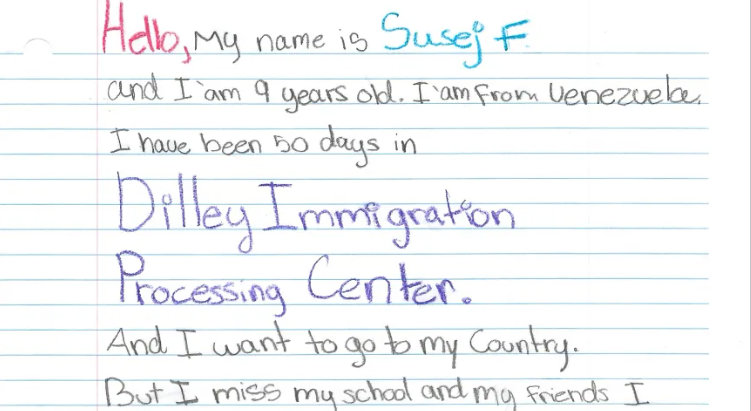
According to letters from children living in an ICE detention facility, living conditions are inhumane and their mental health is suffering.
