
Unseen: ICE’s Assault on Asians in the United States
A months-long investigation looked into the impact of Trump’s draconian immigration policies on Asian Americans.

Greetings, MindSite News readers.
In today’s newsletter, we share the first stories from a months-long investigation by MindSite News contributor Simran Sethi looking into an often overlooked question: the impact of Trump’s draconian immigration policies on Asian Americans. The project, reported and produced by MindSite News and co-published with the independent nonprofit website The Xylom, is funded and supported by the Nova Institute for Health.
The stunning destruction of ICE raids is disturbingly clear, as last week’s horrifying events remind us, but this project focuses on important, sometimes-forgotten and unseen harm below the surface – such as how ICE’s expanded presence and its detentions and deportations are harming Asian children and the potential life-long trauma such policies might cause them. In addition to expert voices, the series also includes guides to help families and communities know their rights.
The trauma of parent and child separation caused by ICE raids is particularly devastating. It can lead to long-term mental health problems, including anxiety, depression, PTSD, aggression and suicidal thoughts. This series investigates the human cost, suffering and destruction caused by such policies.
“I am fighting every single day just to get through the day”
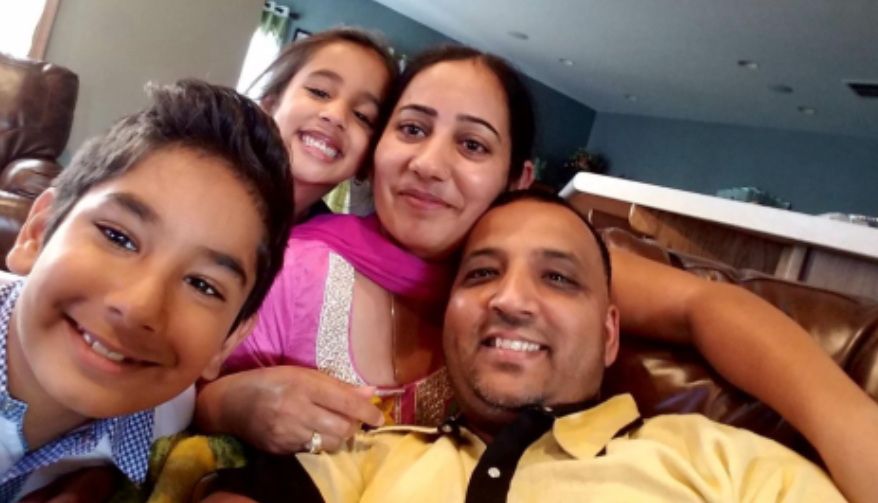
“On an unseasonably warm afternoon in mid-September, high school senior Kirat Virk got in his car, picked up a friend, and headed to Carroll High School for the second football game of the season. The team was poised to make it to the state semifinals; the bleachers were full and the crowd raucous. “Everyone was so loud,” Kirat recalled. “And, for the first twenty minutes, I was having so much fun.” Then, reality came rushing back. “I got a terrible feeling. I felt guilty that my mom was home alone. I felt guilty that my dad wasn’t going to be there, either. I didn’t want my dad to think that I didn’t care that he’s in there and I’m out here having fun.”
‘“In there”’ means in detention. For months, Kirat’s father—a 48-year-old business owner who has lived in the United States since he was a teenager—was one of roughly 66,000 people (a record high) held in U.S. Immigrations and Customs Enforcement (ICE) custody, according to federal data obtained by CBS News. Then, in late 2025, he became one of the more than 605,000 people the U.S. government said it has deported since the start of Trump’s second term.
“Kirat is one of thousands of children carrying an invisible weight: anxiety for his parent’s well-being and the fear that they may not come home. These sons and daughters of immigrant, mixed-citizen, and noncitizen families—some of whom were born on U.S. soil, others who arrived as children—are being harmed by increasingly punitive immigration enforcement efforts. Psychiatrists say this campaign is causing an epidemic of fear and trauma which not only impacts children’s physical and emotional well-being today but has grave implications for their future.
“Aside from school and the one truncated football game, Kirat rarely leaves the house, living what he describes as “the same day every day.” Sleep does not come easily; all he is thinking about is his dad. The few times where he dreams that they were reunited are even more difficult: “I wake up and realize he’s not here; it’s hard to get out of bed or do anything.”
“In adolescence, our sense of identity, agency, and personal boundaries are still forming; we are people still becoming, shaped by life circumstances and the people we love. More than his friends or other family, Kirat’s constant companion was his dad, and that paternal support is what he now longs for. “I feel like a father is the only man in the world that wants you to be better than himself,” he says. “But that man, for me, is locked up right now. I don’t have the only support that I really want. I am fighting every single day to just get through the day.”
Read the rest of Sethi’s story “Collateral Damage: The Emotional Toll of Trump’s Immigration Policies on Asian Children and Families.”
Also in this first installment of the series:
Unseen: The Impact of Trump’s Draconian Immigration Policies on Asian Americans
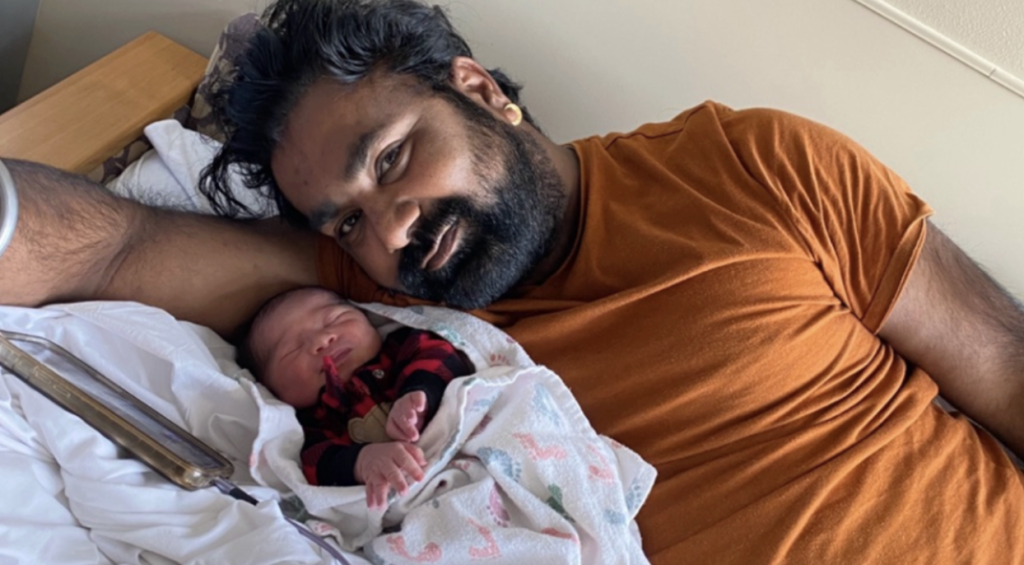
When Donald Trump took office in January 2025, he set to work on a sweeping change in immigration enforcement, unprecedented in modern American history. It has included mass deportations, workplace raids conducted by masked ICE agents, and a rollback of protections in what were formerly safe spaces, including churches, schools, and hospitals. Most of these actions have been highly visible. But one hidden impact is the devastation it has wrought on the mental health of millions who call America home. Read more.
How Immigrant Trauma Harms the Developing Brain: An Interview with Harvard’s Martin Teicher
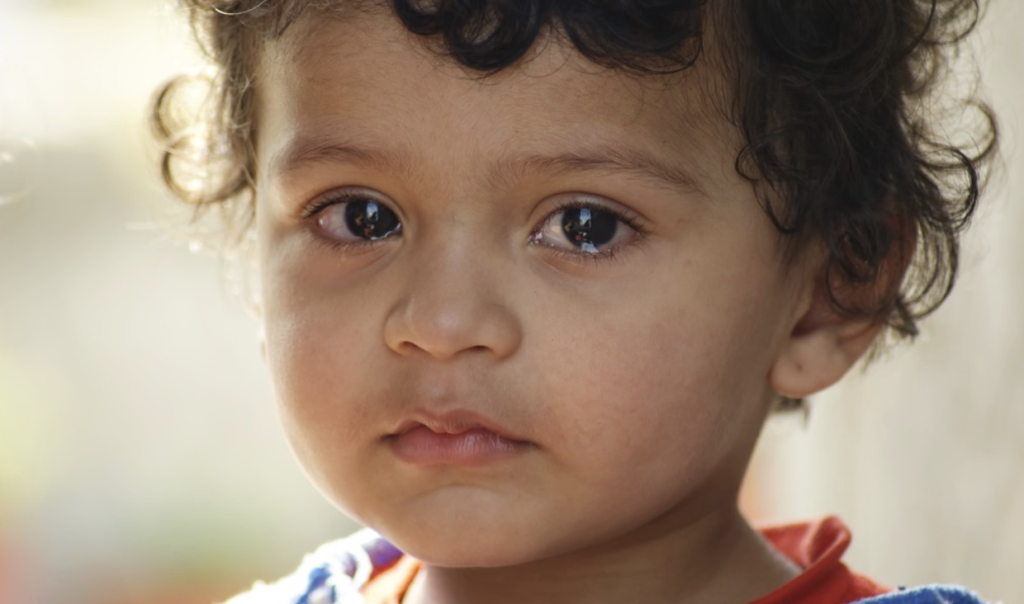
Children separated from their parents suffer severe trauma that can do lifelong damage to their physical and mental health, and potentially upending their ability to trust people and maintain relationships. Read more.
Know Your Rights: Managing ICE Encounters on the Job and Elsewhere
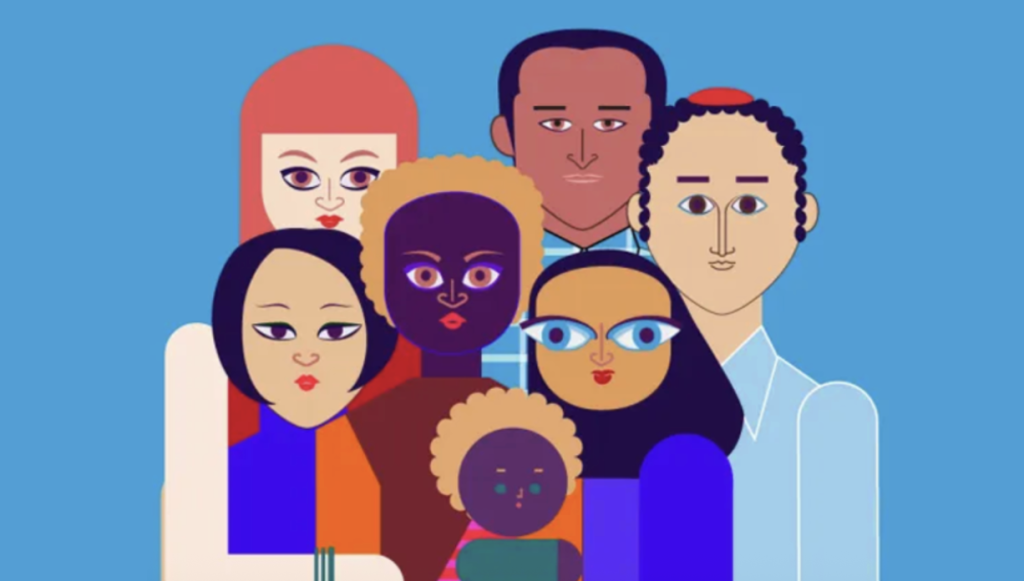
In the United States, both citizens and noncitizens have legal rights. Knowing your rights and carrying your documents can help protect you if you are approached by ICE agents. Get the guide.
Family Preparedness Guide
This is a comprehensive guide for families and individuals dealing with ICE. Everyone—regardless of their immigration status—should know their rights. This includes the right to remain silent if ICE or the police come to your home or workplace or stop you in public. Get the guide.
Thanks, and please feel free to share this issue with friends and colleagues.
Best,
The MindSite News team
The name “MindSite News” is used with the express permission of Mindsight Institute, an educational organization offering online learning and in-person workshops in the field of mental health and wellbeing. MindSite News and Mindsight Institute are separate, unaffiliated entities that are aligned in making science accessible and promoting mental health globally.

Author

Related Articles

Millennials Weigh Having Children On Their Own Terms
Not having children is also a valid path, and one that everyone should consider, Merle Bombardieri argues in her 1981 book.

Waiting for Word on Relatives Under Attack in Iran
Iranians in the US are caught between two “unrepentant regimes,” says Iranian-American writer and professor Shervin Malekzadeh.
Will the Pursuit of Profit Suck the Benefits Out of Psychedelics?
Many new programs have removed the most transformative, curative and life-affirming parts of the psychedelic experience.
