
Gen Z Knows How to Lay Down a Boundary – But Too Much Therapy Speak Could Further Disconnection
Experts warn that therapy speak and social isolation are rising among Gen Z as “self-care” language is increasingly used to avoid meaningful social connections.

Gen Z seems like it might be the most therapy-literate generation ever, but that hasn’t necessarily translated into amazing well-being. In fact, Rachel Hale, a 24-year-old mental health reporter at USA Today, argues that her generational peers have let friendships wither in service of short-term self-care. “Protect your peace,” she says, is often an easy excuse to flake out on a friend – or worse, avoid important confrontations and situations just because they might be uncomfortable. It’s a problem made even more pertinent by our loneliness epidemic.
“The use of therapy speak to justify, in essence, being non-committal socially, sort of withdrawing socially, or having the right to withdraw socially, I think, is really hurtful,” says Jamil Zaki, director of the Social Neuroscience Lab at Stanford University. Hale points to her own potluck-style party in which several invitees didn’t respond, or cancelled at the last minute.
Sociologists used to measure the strength of folks’ social connections by asking how many people they could depend on to pick them up from the airport at 1 am, Zaki says. But these days, young people might simply request a ride on Uber or Lyft. Technology has reduced our need for face-to-face interaction, and we haven’t ramped up our in-person social efforts to make up for it. “Where we’ve gained convenience, we’ve lost community,” Hale writes. Older generations simply couldn’t drop out with a last-minute message, but today’s youth have both the option to withdraw on a whim and the language to justify it.
The thing is, relationships require us to be burdened or inconvenienced sometimes – and that’s a good thing. Our connections with each others are vital for our health and well-being, and helping out, far from something to avoid, makes us calmer, happier people, says Zaki. “If we focus on keeping ourselves comfortable… we’re missing out on, I think, a critical opportunity… When we show up for others, our stress decreases, our sense of agency and autonomy increases, our happiness increases, and so when we focus on a hyper individualistic almost single-serving version of well being… we actually are depriving ourselves of one of the great sources of well being,” Zaki explains.
The thought of re-engaging socially after a period of isolation is anxiety-inducing for plenty of people, but it’s worth pushing through, according to Zaki. “On the other side of that anxiety is a connection that you vitally need for your health and well being,” he says. Technology might be part of the solution – Hale mentions apps that can help, specifically Bumble BFF and Yubo, in addition to in-person options like Camp Social, a women’s-only sleepaway camp designed for folks to arrive solo and leave with new friends. “The obvious demand for these groups shows the elusive village exists if we’re willing to make the effort,” she says.
The name “MindSite News” is used with the express permission of Mindsight Institute, an educational organization offering online learning and in-person workshops in the field of mental health and wellbeing. MindSite News and Mindsight Institute are separate, unaffiliated entities that are aligned in making science accessible and promoting mental health globally.

Author

Related Articles

New Mexico Investigates Allegations of Abuse, Buried Bodies on Epstein’s Zorro Ranch
State lawmakers say their state’s Epstein Truth Commission is the first full investigation into the property.
Brain Training Reduced Dementia Risk by 25% for Up to Two Decades, Study Finds
A new study tracking people over time found those who completed cognitive speed training sessions were 25% less likely to be diagnosed with dementia 20 years later.
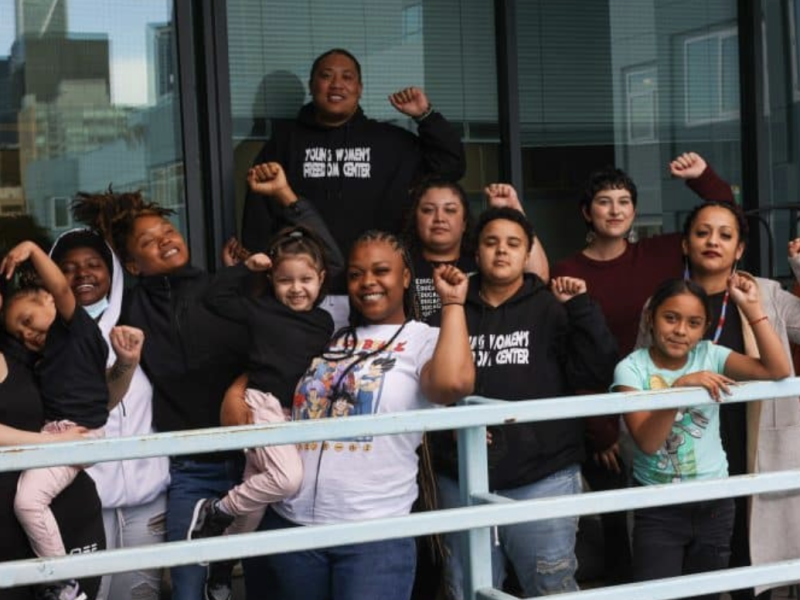
Young Women Driving Justice and Mental Health Change to Take Stage at Bay Area Event
MindSite News hosts the Young Women’s Freedom Center and Congresswoman Lateefah Simon at the Commonwealth Club for a public conversation on healing, leadership and justice.
