
“No Beds”: Despite Improvements, Detroit’s Shelter System Continues to Let Families Down
When a Detroit mom and her two sons faced homelessness last year, she spent months calling the city daily for beds – in vain.
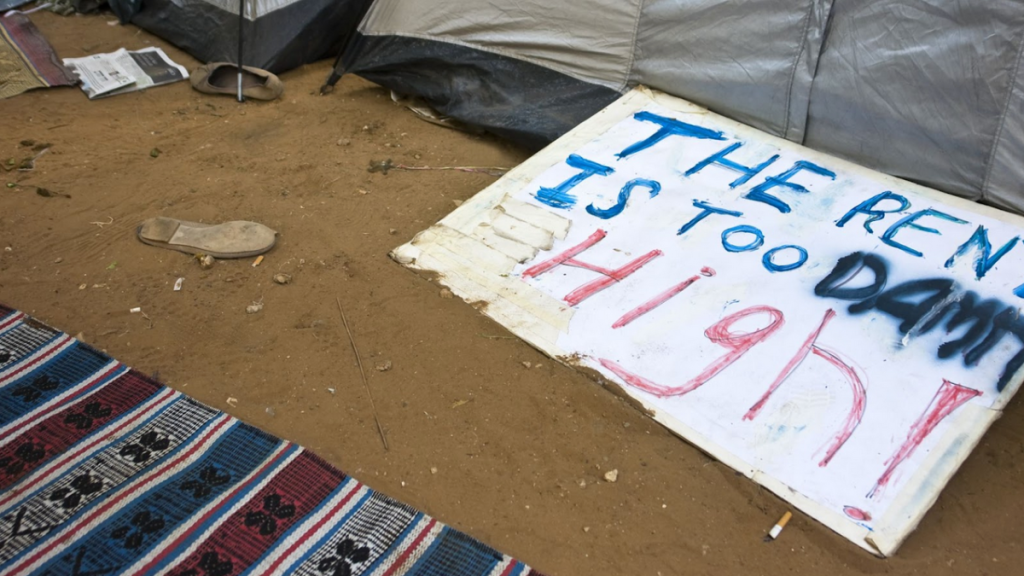
When Detroiter Symone Wilkes and her two young sons faced homelessness last year, she sought help from the city’s safety net.
Former Mayor Mike Duggan had rolled out a seven-point plan following the tragic death of two children living in their family’s van last winter expanding services and assuring unhoused residents, particularly those with children, that they could be placed in shelters immediately if they called the city’s Coordinated Assessment Model (CAM), which is supposed to streamline shelter placement.
But Wilkes and her sons spent about four months bouncing between friends’ homes as she called the line day in and day out.
“You’re waking up every day calling a phone number, waiting 20 minutes to even get somebody on the line,” Wilkes told the Detroit Free Press. “Each day you gotta keep telling CAM why you’re calling.”
And each day they’d say there were no beds, though she was occasionally offered a chair. It was demoralizing. She eventually found a subsidized place on her own.
Wilkes’ experience underscores the persistent failings of Detroit’s shelter system. While grassroots workers say they’ve noticed some improvements, including expanded call-line hours and greater awareness around available resources and drop-in beds, the gaps in service remain overwhelming as homelessness continues to grow.
In Detroit, Hamtramck and Highland Park homelessness rose 16% from 2023 to 2024, according to the latest data from a one-night count of unhoused residents taken each January. Available data for 2025 points to a 2% increase in people living in emergency shelters and other housing programs year-over-year, though unsheltered numbers aren’t yet available.
According to CAM data, families spent an average of 154 days on a waitlist for shelter in September, up from 85 days in January 2025. And while those running CAM would like to do more, they say the system can only refer to available resources; it can’t make more beds open up.
So while the entry points may be expanding – the seven-point plan doubled the number of emergency drop-off beds – there is still nowhere for people to go down the line. Families are staying for as long as six months in centers meant to house people for two weeks at most.
With that strain, more and more people are complaining about conditions in shelters, which don’t normally get funding for maintenance.
Last month, Detroit Mayor Mary Sheffield announced a new Department of Human, Homeless and Family Services, uniting relevant, formerly separate departments under one umbrella.
“Our hope is that this department will… provide the wraparound services and the accountability that is needed to ensure people are placed into housing,” Sheffield said.
The real issue though, says Cheryl P. Johnson, CEO of the Coalition on Temporary Shelter (COTS), is over-prioritizing shelter but not treating the development of more affordable housing as equally urgent.
“If you don’t have the end in mind in terms of more affordable housing and putting resources there,” she said, “you’re going to have people stuck in a shelter system, which is horrible.”
The name “MindSite News” is used with the express permission of Mindsight Institute, an educational organization offering online learning and in-person workshops in the field of mental health and wellbeing. MindSite News and Mindsight Institute are separate, unaffiliated entities that are aligned in making science accessible and promoting mental health globally.

Author

Related Articles


How Denmark Is Using Storytelling to Erase Stereotypes About Mental Illness
A Danish program, “One of Us,” invites “ambassadors” to share their stories and combat stereotypes about mental illness.

New Report Finds Online Gambling is Undermining Mental and Financial Health for Millions, Especially Young People
The explosion in digital gambling is undermining both finances and mental health, especially among young people.
