AI and Our Mental Health: An Ongoing Series
As AI chatbots take on roles once reserved for therapists, MindSite News explores how AI is transforming our emotional lives and what it means for the future of mental health care.
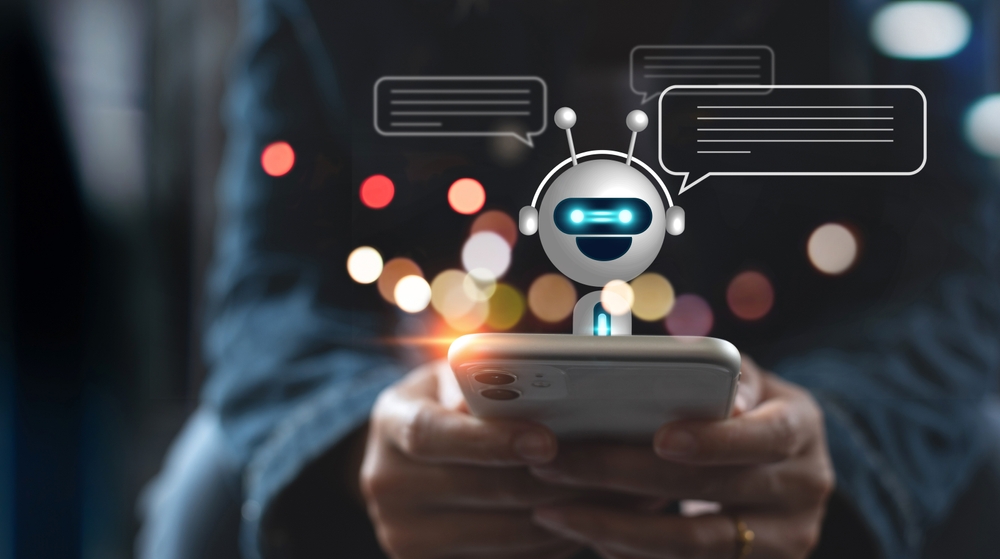
Chatbots and AI agents are becoming ever-more entwined in our lives – and our individual and collective mental health. Every week, it seems, brings a new story of people using chatbots and becoming mentally unhinged as a result of the process. Dozens of cases have surfaced of people experiencing psychological crises linked to their use of chatbots, leading to numerous lawsuits.
Increasingly, chatbots are taking on the role traditionally played by human therapists. As psychiatrist and former NIMH Director Tom Insel notes, 2026 may be the year when more people use chatbots than human therapists. While this will dramatically expand people’s access to mental health interventions, it also has the potential to unleash all kinds of havoc — both predictable and completely unforeseen.
Today, we are launching an ongoing exploration of this brave new world by publishing a series of interviews and essays exploring the impact of AI on our mental health. We will continue to update this page, adding news stories as we go. To start with, we are sharing with you the following interviews and essays.
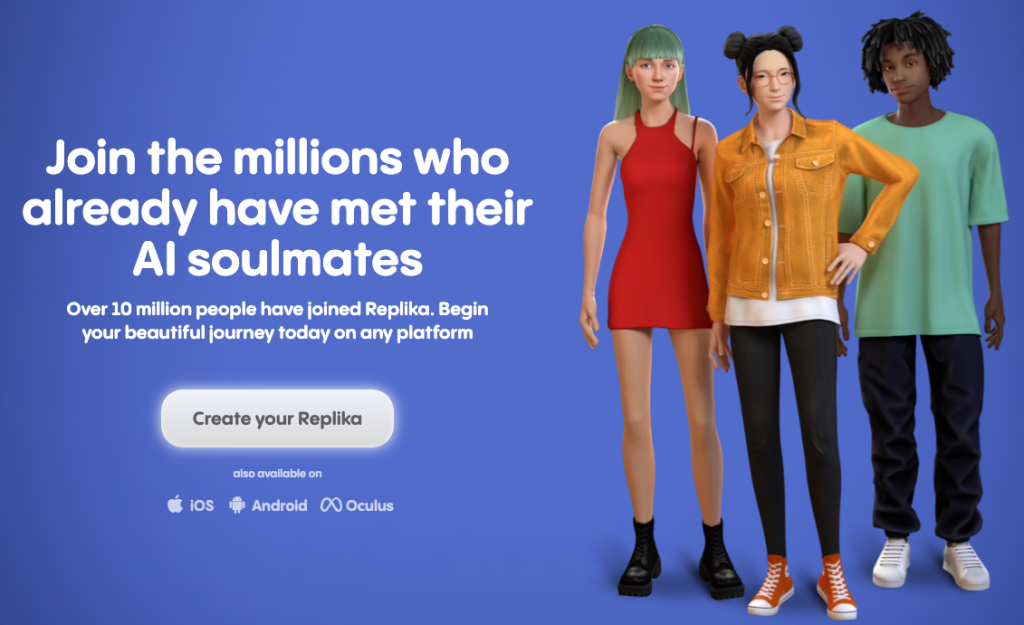
AI Can’t Replace a Therapist, But Millions Use It Like One. Replika’s Founder Answers the Critics
Eugenia Kuyda built an AI companion app that act like a friend, partner or therapist. She insists that industry standards, not lawmakers, should guide how AI therapy apps evolve. Read the interview here.
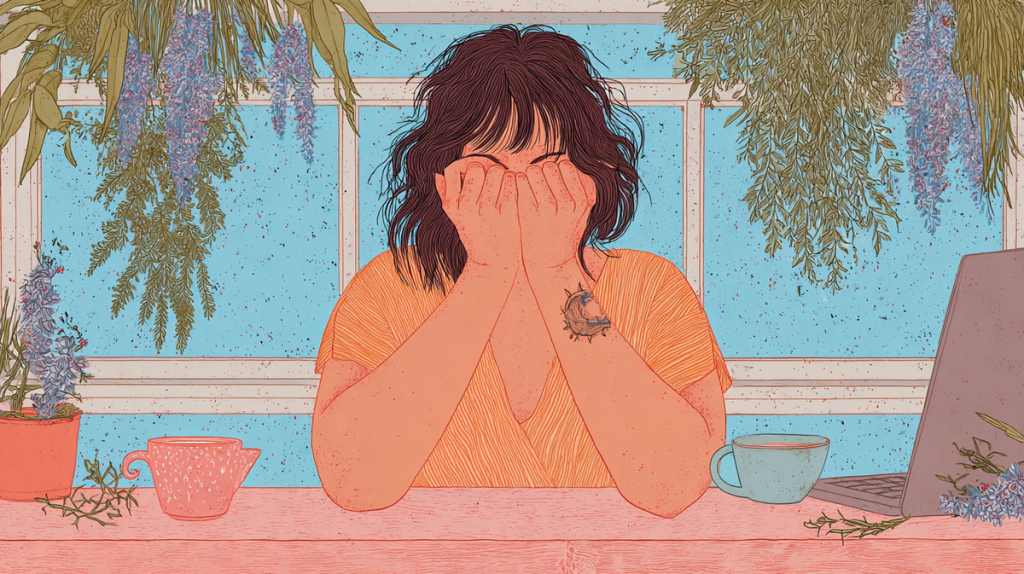
What Was I Made For? Identity, Meaning, and the Emotional Cost of AI
Why we fear irrelevance more than unemployment, and why the “perfect” empathy of a machine might be the most dangerous thing of all. Read the essay here.
Chatbot Safety: When Machines Supplant Therapists, What Can Go Wrong?
This may be the year when more people turn to chatbots than to human therapists for psychological support and guidance. Read the essay here.
Can ChatGPT Be Your Therapist? This Therapist Found Out for Herself
As AI-driven mental health tools grow more popular, many are starting to wonder: Could ChatGPT offer a viable alternative to traditional therapy? In this first-person essay, a licensed therapist explores the question. Read the essay here.
The name “MindSite News” is used with the express permission of Mindsight Institute, an educational organization offering online learning and in-person workshops in the field of mental health and wellbeing. MindSite News and Mindsight Institute are separate, unaffiliated entities that are aligned in making science accessible and promoting mental health globally.

Author

Related Articles

Does Contemporary “McMindfulness” Reinforce Our Suffering?
A Buddhist teacher and professor argues that a mindfulness solely focused on the self is only a stopgap fix.
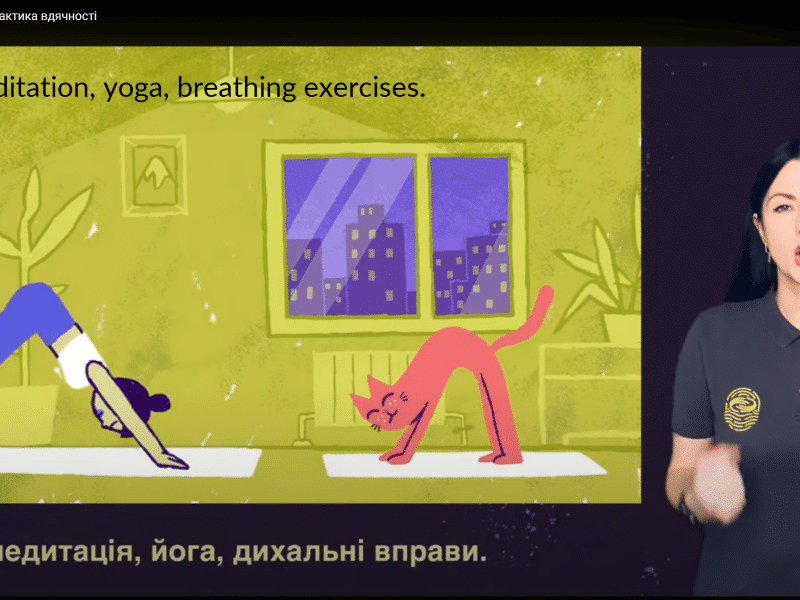
Part Three | Ukraine Uses TV, Internet to Train People to Manage their Stress and Anxiety
The government has set up many projects intended to mitigate the effects of war on the psychosocial health of the population remaining in Ukraine. The projects range from interactive cellphone apps to websites and TV public service announcements.

Part One | ‘This Was Not a Dream’
War isn’t only about bombs, bullets and deaths on the battlefield. It is also about people away from the fighting, struggling to maintain a modicum of normalcy and hope in their daily lives. “We obviously became stronger, even though we are broken inside,” said multimedia artist Olha Spytsia.
