
A Father’s Story: Harpinder Chauhan on Being Torn from His Family by ICE
One year ago today, Harpinder Chauhan, who had come to the U.S. from England nine years earlier on an investor’s visa, was detained by ICE. He was deported back to England in June.
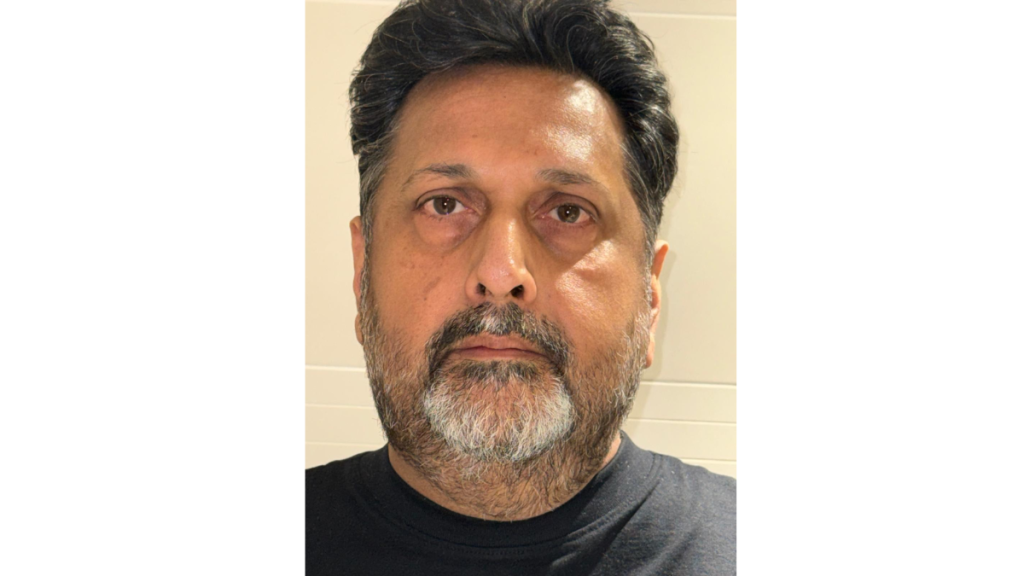
Until February 11, 2025, Harpiner Chauhan, 57, lived legally in the United States with his family for nine years, running restaurants and other businesses. He was then detained in Orlando, Florida following a routine check-in with his probation officer (PO) after he was charged, but not convicted, for alleged sales tax theft in his restaurant business, a case outcome known as withheld adjudication
Simran Sethi wrote about the grief and numbness of Chauhan’s son here after his father was arrested by ICE. Following is his father’s direct account of that lifechanging day and the aftermath, which included detention in Krome North Service Processing Center—an ICE facility in Miami, Fla. cited by both Amnesty International and Human Rights Watch for “overcrowding in temporary processing areas, inadequate and inaccessible medical care, and alarming disciplinary practices.” Chauhan was also held in FDC Miami, a federal correctional institution managed by the Federal Bureau of Prisons, and Broward Transitional Center, where he collapsed and had to be hospitalized. Chauhan was deported to England on June 5, 2025.
This is Chauhan’s story, as told to Simran Sethi.
We had several caterings to get done at our restaurant on the morning of Tuesday 11th February, 2025. R, my wife, woke me up with a cup of tea and after a few all-too-brief moments, we set off. It was too early to pop in to see the children sleeping; didn’t want them to wake up early.
I had to attend a PO meeting in person so dropped R at the restaurant. The van was already in gear. We didn’t even look at each other, much less embrace. “I will be back in a few minutes,” I said. I did not know that would be the last time I would be in the same room as my kids—or have a chance to hold my wife.
Things went very smoothly at the PO’s office. Even though the waiting room was full, my PO Leonard called my name soon after I arrived. But there was something different. We, apparently, were not going to turn right after the security doors as we normally did. Instead, we are going to another room, what looked like a canteen, of sorts. Two people with IDs around their necks stood nearby. I had never seen them before, but they knew my name. They approached me, claimed I had overstayed my visa, and told me they were there to arrest me. Handcuffs went on and my pockets emptied before I could even reply.
I look at Leonard who is not making eye contact with me. I protest my position and tell them that they are mistaken. It all falls on deaf ears.
In the back of their Dodge SUV with blacked out windows, I am frantically trying to explain that we have been approved for the I-526 [visa] and are awaiting our Green Cards. When I saw one of them Googling I-526, I realized that not only are these ears deaf but also ignorant.
My heart sank. R? The kids? How do I let them know? But I also tell myself, “It will all be okay and I will be back later. They have made a mistake.” As bad as I felt that morning, the coming months would reveal that was the best it was going to be.
Shackled in ankle cuffs and handcuffs attached to a chain around my waist, I was herded on to a prison bus with 50 others on a nighttime journey to Miami.
The bone-bruising bus ride ended with four days and nights in a grossly overcrowded cell with nothing but concrete for comfort. Cold, sick, disorientated; hungry, thirsty, tired, and scared, I would stand near the door, as if going deeper into that cell would be akin to accepting defeat and resignation. Any minute now the door would surely open, I thought. A guard would butcher my name and apologize for the misunderstanding, setting me free.
That was not the case. Each setback and demeaning experience, every second of incarceration, would reset expectations and prove to me that this process [of immigration enforcement] is bereft of compassion, reason, and justice. Abusive guards, disgusting conditions, lack of medical care, and the colossal apathy and indifference displayed by all wore away my last fragment of hope until all that was left was despair and helplessness. And I was not the only one: Pastors, fathers, hardworking men were in despair right alongside me.
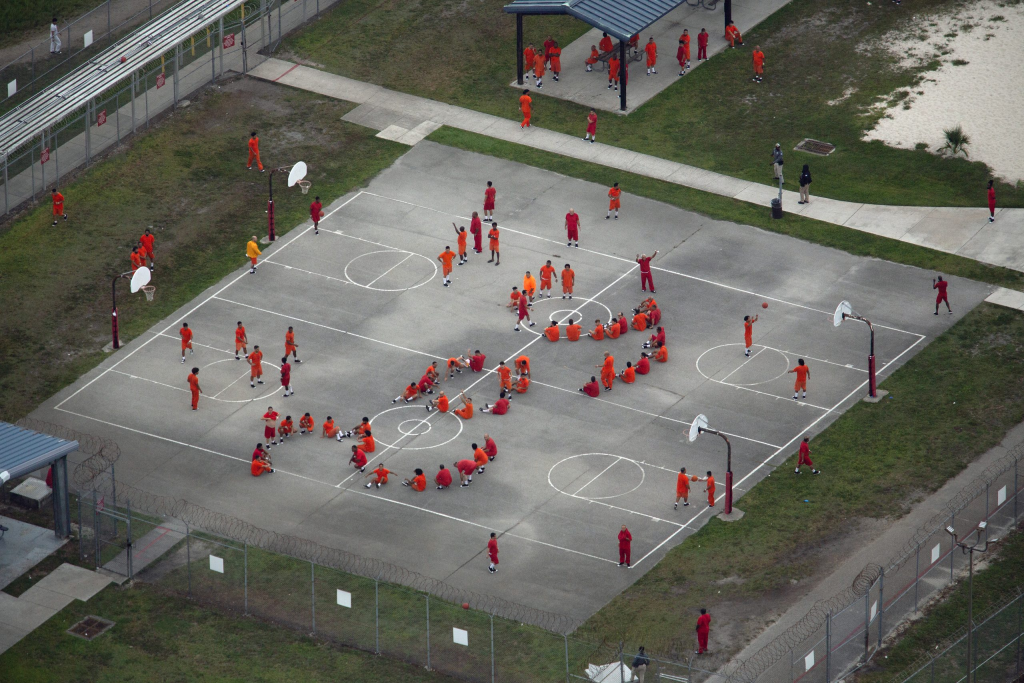
We were not criminals, we were people waiting on a process. But one month into detention, I was sent to FDC Miami, a federal prison—yes, a federal prison!!—where my cell commanded a 30” by 4” view of downtown Miami. The view was spectacular, but I didn’t want to look. America had turned its back; these vistas no longer belonged to me.
By the time of my final hearing four months later, I didn’t even look at the judge. My attorney’s voice sounded in my ears like “blah, blah, blah.” I learned I was to be deported through a letter sent to my son.
Five weeks after that final verdict, I was set to be put on a flight back to England. But honestly, I had lost trust in the system to the point where even sitting on the bus en route I was skeptical as to whether these people were taking me to the airport or to another facility where I would experience another level of depravity. Only as the bus turned towards the airport did the realization hit: I was finished.
The last insult, however, was to come: an ICE officer stopping the passengers boarding the American Airlines flight to London to have his colleague take a picture of me as I was being uncuffed while the rest of the passengers looked on. I made my way to the back of the plane, trying to avert their gazes.
It has been a year since I hugged my wife and children. Since I held them and felt their cheeks against mine. I am as lost now as I was in ICE detention. The only difference is that, now, I have also lost hope. Those months destroyed my soul.
My family and I had made our home in the U.S. We were never out of legal status, and I never fell into the criteria that the authorities said they were pursuing. And none of it was easy. There were years and years of effort and money my family and I put in. Not only my own, but the inheritance from my parents, their hopes and dreams, as well. After investing all we had and then some, we were on the verge of becoming permanent residents in a country we genuinely loved.
What ICE has taken from me, I cannot get back. Living without the family is desperately difficult. Trying to start afresh now may be beyond me. My family and I did not deserve this. My American dream has shattered.
Harpinder Chauhan is an entrepreneur now based in outside of London, U.K.
The name “MindSite News” is used with the express permission of Mindsight Institute, an educational organization offering online learning and in-person workshops in the field of mental health and wellbeing. MindSite News and Mindsight Institute are separate, unaffiliated entities that are aligned in making science accessible and promoting mental health globally.


Author

Related Articles
Fleeing Afghanistan After Its Fall Was ‘Like An Avalanche’
Shock, disbelief and numbness overtook Eman Darwish as she was forced to flee her country.
Fighting in War Still Didn’t Prepare Me for the Prison Mental Health Crisis
Nine years ago, I began serving as a volunteer peer counselor at the prison I’d transferred out of, providing support to people in the mental health unit. I’ve learned that trauma affects us all, and I’ve felt a growing sense of purpose.
Driving with ADD: Medication Was the Answer for One Teen Driver
Teen driver Hannah Henderson, who has attention deficit disorder, says medication helped her focus on the road.
