
Mental Health Coalition Protests ICE Raids and Detention
Patients are avoiding health care, even in serious medical emergencies, because of ICE raids on clinics and hospitals.
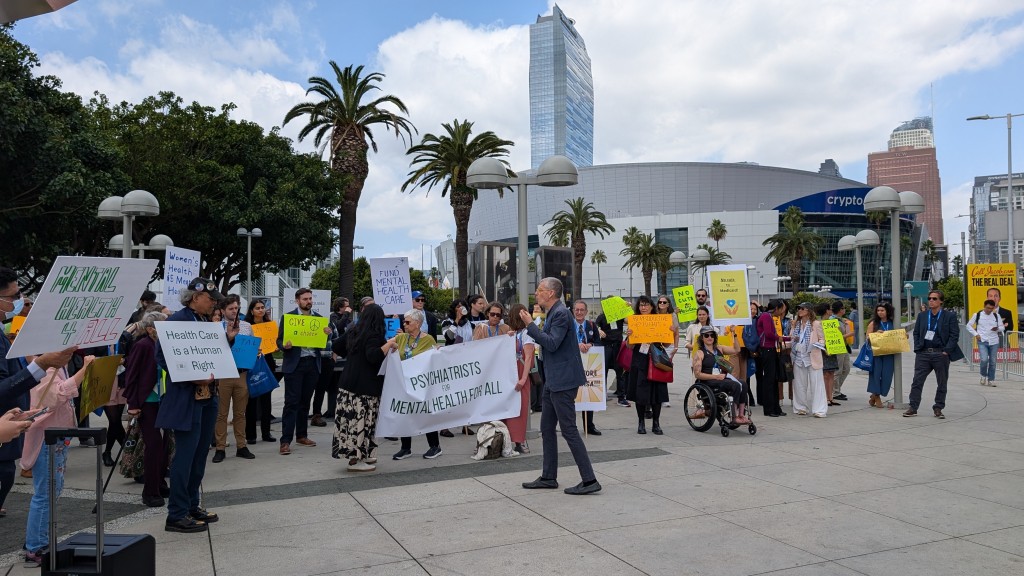
Many leading mental health and public health organizations have issued statements condemning ICE raids, detention centers and deportations and decrying the trauma they are inflicting on families, children and residents of affected communities. In an email interview with MindSite News, Eric Rafla-Yuan, psychiatrist and chair of the leadership team of the Committee to Protect Public Mental Health, spoke to the direct impact health care providers have already seen as a result of the surge in ICE activity, particularly as it relates to mental wellbeing.

In what ways have you seen ICE enforcement actions already impact public mental health in clinics and hospitals?
We know that immigration enforcement activity in (or even near) health care settings drives avoidance of care. That deterrent effect is itself a public mental health harm: it increases fear, hypervigilance, sleep disruption, and trauma-related symptoms, and it destabilizes people who already have anxiety disorders, PTSD, depression, serious mental illness, or substance use disorders. Additionally, when individuals delay care until conditions worsen, clinical presentations become more acute and crises are more frequent and harder to manage.
The impact extends far beyond only undocumented patients. Aggressive (and at times violent) enforcement of immigration related issues, which are actually civil misdemeanors (not criminal issues) cause entire communities to interpret these environments as unsafe. This amplifies our collective stress, mistrust, and isolation as a nation – all factors that predictably worsen mental health outcomes at the population level.
How have both patient and provider behaviors changed? What ongoing effect will these actions have on health care settings and public health in the long term?
Changes we’re seeing for patients include missed appointments, delayed presentation for urgent symptoms, reduced ability to follow-up or stick with treatment plans, and reluctance to share information or seek referrals. People also avoid any kind of health care, even in cases of serious medical emergencies, if they believe that contact with institutions is unsafe. Patients and families are also less likely to seek care that they are legally entitled to due to fear that their personal information will be misused down the line for uses that it was never meant to be initially.
Changes for psychiatrists and other health care professionals include a whole bunch of operational challenges, and the increases in burnout that comes from trying to do your best for patients who may be being mistreated right in front of your eyes.
I’ll give an example. Medical professionals are mandated to report instances of child abuse and elder abuse. There is no similar ability for reporting abuse for patients who may have been violently assaulted or otherwise harmed by federal agents, even when the harm is potentially irreversible or leads to disability and death.
In addition to all of this, long term there will be a serious erosion of trust. Once communities learn that seeking care may not be safe, avoidance can persist even after specific threats subside. That leads to later-stage illness at presentation, higher emergency utilization, poorer chronic-disease control, reduced preventive care uptake, and predictable downstream increases in psychiatric morbidity and crisis volume.
What protections, if any, should patients expect from their health care professionals and other relevant staff when entering clinics and hospitals should ICE attempt enforcement actions while they are receiving care?
Patients should expect health care professionals and staff to prioritize medically-necessary care and to protect confidentiality within the limits of the law.
In more practical terms, appropriate protections typically include:
- Continuing clinically indicated evaluation and treatment, particularly in urgent and emergency situations, consistent with standards of care and facility obligations.
- Limiting disclosures of patient information to what is legally required and routing any law-enforcement requests through designated privacy/compliance personnel rather than responding informally at the bedside or front desk.
- Enforcing access controls for non-public clinical areas consistent with facility policy and applicable law, rather than granting open access to treatment areas.
- Avoiding unnecessary collection or sharing of immigration-related information that is not required for clinical care.
It’s important to note that the specifics can vary by jurisdiction and facility policy, so these are just generalizations and may not be true in all instances. There are some good resources on this, including:
Know Your Rights: National Immigration Law Center
ACLU: Immigration Enforcement Guidance for Health Centers
What do you want the public to do as a result of receiving the information you’re sharing in this press release?
As psychiatrists, we want the public and policymakers to understand that immigration enforcement practices like those being reported now can harm the emotional wellbeing of society at large. The effects include measurable mental health outcomes, such as anxiety, depression, trauma-related symptoms, and crisis presentations, as well as broader, harder-to-quantify, but very real consequences: fear, mistrust, social withdrawal, and disruption of family stability. Trauma lasts for a lifetime, and we witness, both in our clinical settings, as well as through daily news coverage, regular traumatization of individuals living in the United States, both citizens and non-citizens alike.
There are ways to ensure that these federal actions are done in a way that has oversight and accountability. Another very important thing to restore is the protection for sensitive areas, which has historically been bipartisan policy. People need to be able to access essential services such as health care, schools, and places of worship without fear that doing so will endanger themselves or people they care about.
The name “MindSite News” is used with the express permission of Mindsight Institute, an educational organization offering online learning and in-person workshops in the field of mental health and wellbeing. MindSite News and Mindsight Institute are separate, unaffiliated entities that are aligned in making science accessible and promoting mental health globally.


Author

Related Articles

“It’s More Horrific Than What Is Being Told”: Filipinos Speak Out About Being Targeted by ICE
A series of audio interviews about detention, abusive treatment and deportation for the 4th largest immigrant group in the U.S.
The Trauma and Resilience of Afghans: An Interview with Dr. Qais Alemi
Alemi says refugee trauma stems not only from war atrocities, but from cultural dislocation and the loss of language and identity,

How the Trauma of Immigration Can Harm the Developing Brain: An Interview with Harvard’s Martin Teicher
Dr. Martin Teicher explains how immigrant trauma and family separation act as toxic stressors, permanently rewiring a child’s brain, reducing IQ, and increasing the risk of lifelong mental health challenges.
