
Photo Essay: Looking Back at a Historic Fight Against Solitary Confinement in California
A decade after a historic hunger strike, a visual essay explores the lasting psychological impact of solitary confinement on survivors who spent decades in isolation.
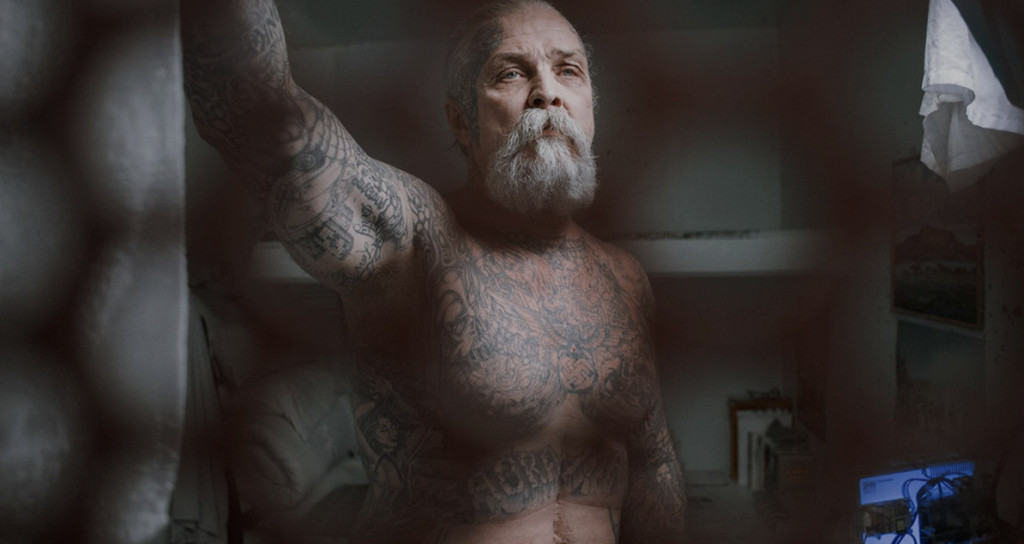
In July 2013, thousands of California prisoners took action to improve their lives: They launched a history-making hunger strike to protest the state’s practice of subjecting incarcerated people to indefinite solitary confinement.
At the time, hundreds of people in Pelican Bay State Prison had been in solitary for over a decade — most for being labeled as gang members. After 60 days and a lawsuit, the hunger strikers won major policy changes in the state including an agreement to move most people in long-term solitary to new units, giving many a new chance at parole.
Since then, many of the men have returned to society and are working to rebuild their lives, make sense of the trauma they endured – and help others inside. In a stunning visual essay, The Marshall Project and Catchlight, a photojournalism organization, revisited the story in text and photographs by Brian L. Frank. The images are mostly taken at Alcatraz, the former federal prison that closed in 1963 and now serves as a national park and tourist attraction.
Frank had previously photographed men inside the Pelican Bay Security Housing Unit (SHU) in 2014.
“It was a traumatizing and defining experience,” Frank said. “To think that I might be the only human from outside the prison they really spoke to, maybe in 10 years. It was something that stuck with me.”
Participants in the project include strike leaders like Sitawa Jamaa and hunger striker Jack Morris. Morris spent over 30 years in solitary confinement, came home in 2017 and now runs a reentry program for a community health clinic.
“When I think of guys having to do time in solitary confinement, I can’t even begin to make a suggestion as to how to endure that,” Morris told the Marshall Project. “Because I don’t know I could survive again.”
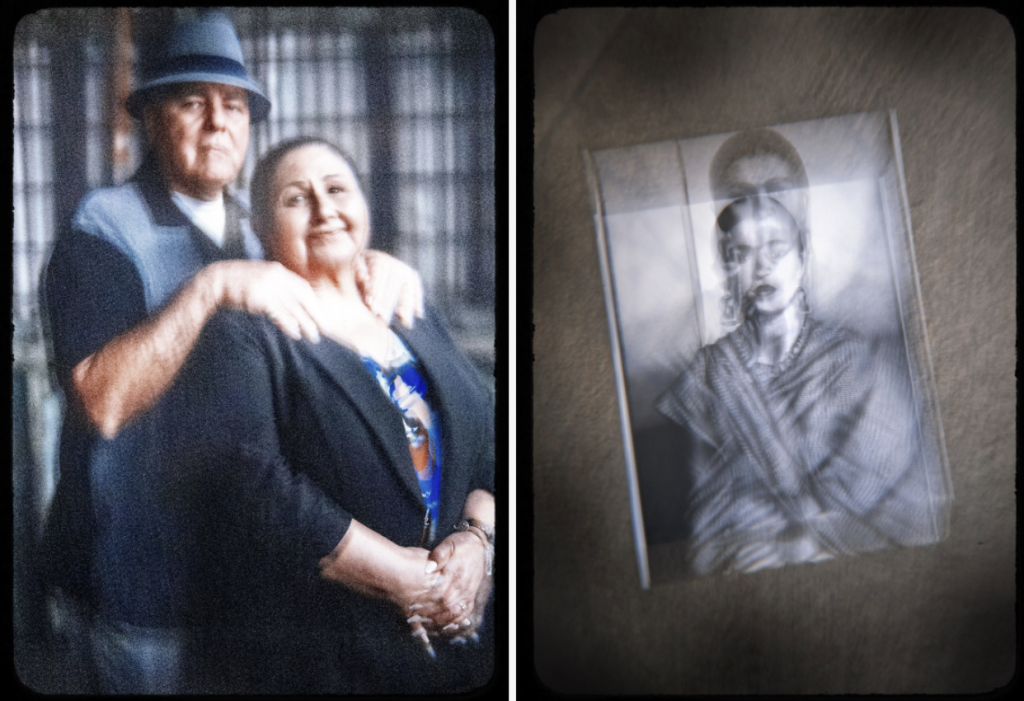
Psychologist Craig Haney studies the mental toll of long-term isolation and interviewed more than 100 men in the SHU at Pelican Bay. His research found that their prolonged isolation led to paranoia, anxiety, despair, anger and, eventually, numbness.
“I had guys ask me, ‘Where are we in the world, where are we in the state?” Haney told the Marshall Project. “They could have been on Mars because they never got visually in contact with the world around them.”
When the unit was built in the late 1980s, it represented a new kind of incarceration with human contact between guards and detainees mostly eliminated.
“When you’re in the SHU, you don’t feel,” said Frank Reyna, who spent 20 years in solitary at Pelican Bay. “If you feel, you start getting weak. When people die, you just move on. You lose your emotions.”
To read the full essay, listen to the interviews and experience the photography, click here. This story was produced in collaboration between The Marshall Project and CatchLight as part of a three-year Mental Health Visual Disk Reporting Initiative.
The name “MindSite News” is used with the express permission of Mindsight Institute, an educational organization offering online learning and in-person workshops in the field of mental health and wellbeing. MindSite News and Mindsight Institute are separate, unaffiliated entities that are aligned in making science accessible and promoting mental health globally.

Author

Related Articles

Recovery Homes Work, but Georgia Cities Want to Keep Zoning Them Out
Recovery residences help Georgians beat addiction, but neighbors and zoning laws across Georgia are pushing sober living homes out.

Despite Warnings, the Navy Refused to Investigate the Connection Between Flying Fighter Jets and Brain Injuries to Pilots
A House Oversight report finds the Navy ignored years of warnings about brain injuries in fighter pilots, despite deaths and low-cost fixes.

Punished for Parenting
A Virginia mother’s conviction has reignited a national debate on free range parenting laws.