
Checking for ICE Before Every Class: The New Reality for Minnesota’s International Students
Since the start of Operation Metro Surge, S, an international student in St. Paul, has lived in a state of high alert.
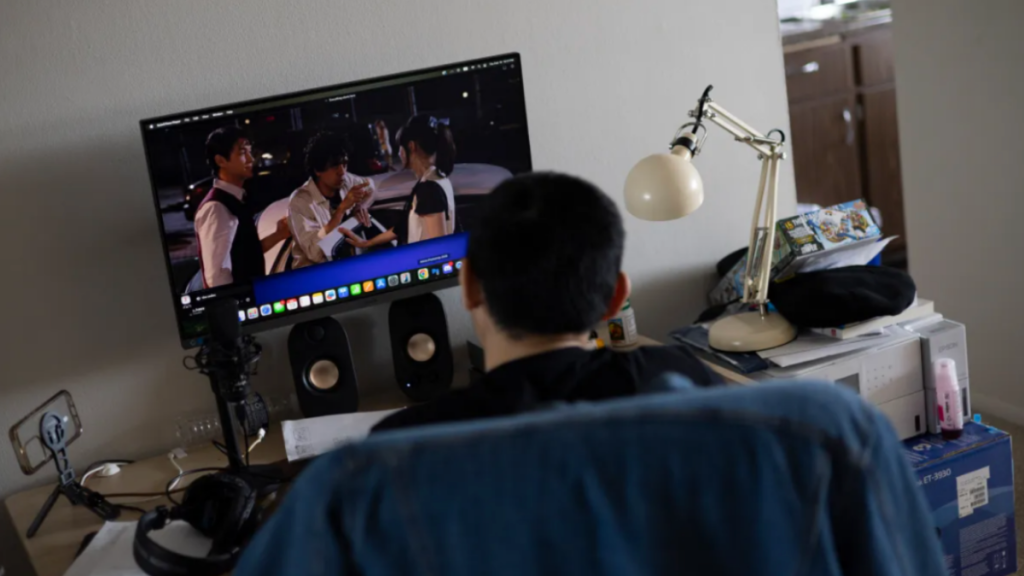
Before heading to his college classes each morning, S scans iceout.org to check for ICE activity between his apartment and campus. He packs his driver’s license, photo copies of his passport from Myanmar, his F-1 visa and his I-94, marking his legal arrival in the U.S.
“I have to make sure there is a safe route,” said S, who is earning his degree in computer graphics and design. He did not want to use his name in this story for fear of arrest.
Since the start of Operation Metro Surge in December, S – one of nearly 15,000 international students attending Minnesota colleges and universities – has lived in a state of high alert. And despite U.S. Border Czar Tom Homan’s announcement on Feb. 12 that the surge would end, he remains anxious.
So begins a look at the distress ICE activity is bringing to the Twin Cities’ international students, originally published by MinnPost and now available on our site.
For S, the stakes are clear. Friends have been snatched away – in January, one seeking asylum was pulled over by ICE agents, detained, and sent to Texas within 24 hours. Two days later, ICE pulled an apartment building’s fire alarm to force residents outside. Terrified and mentally overwhelmed, a friend living in the building attempted suicide.
“This has caused a lot of stress on the whole community,” S said.
While universities in the Twin Cities have responded with emergency housing funds, expanded walk-in counseling, legal resources, and “Know Your Rights” sessions, the situation continues to put international students in an impossible bind – hiding inside feels like the safest option, but their visas require them to attend in-person classes.
“I couldn’t study well this semester,” he said. “Even when I am on campus, where it is supposed to be safer, I am on high alert.”
Coming from Myanmar, where therapy isn’t as popular, S had never considered trying it before the surge. Amid the stress, though, he says he’s had two free sessions and plans to book more.
His counselor has equipped him with some coping tools, including breathing exercises and grounding techniques. They’re small, but making an impact. “She helped me see that even though things are hard now, on the inside at least I am still safe.”
The name “MindSite News” is used with the express permission of Mindsight Institute, an educational organization offering online learning and in-person workshops in the field of mental health and wellbeing. MindSite News and Mindsight Institute are separate, unaffiliated entities that are aligned in making science accessible and promoting mental health globally.

Author

Related Articles

Take Aim, Let Go: How Archery Is Helping Women Heal
At the Woodley Park Archery Range in Los Angeles, Mindful Archery helps women process and prepare for everything from breakups to burnout.


The Quiet Trap of Using Cannabis to Sleep
Millions rely on cannabis as a nightly sleep aid, but a neurologist warns the relief is deceptive. THC helps people fall asleep faster while delivering less restorative rest, and quitting can trigger withdrawal that mimics the original problem. Here’s what actually works for insomnia instead.