
No Good Choices: The Plight of Afghan Girls Forced to Present as Boys Under Taliban Rule
Forced to live under the Taliban’s strict patriarchal rules, Afghan families with no fathers or sons turn to girls to meet basic needs.
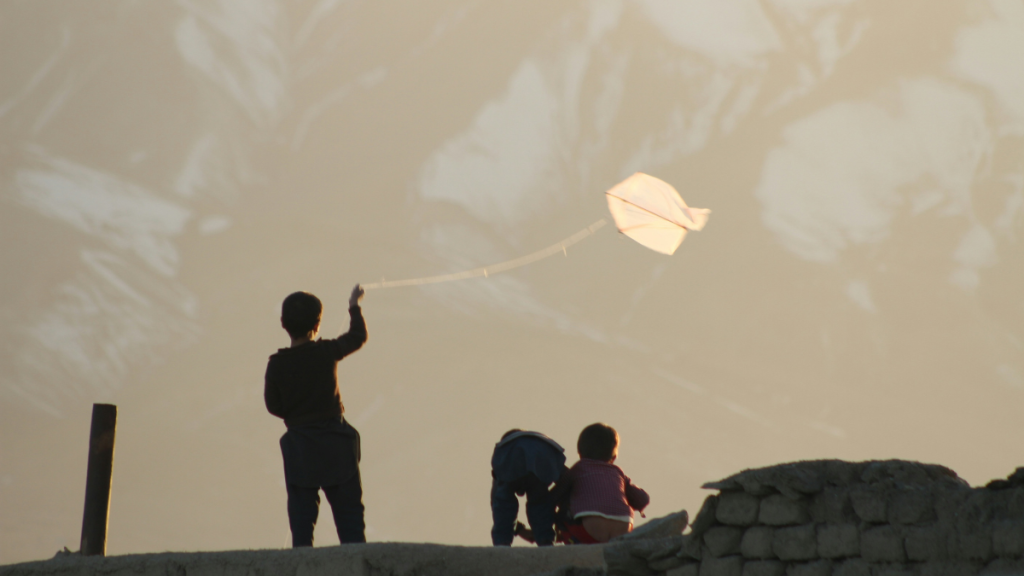
Bacha poshi is a term for a centuries-old practice in Afghanistan – when girls disguise themselves as boys. In a patriarchal society living under harsh Taliban rule, Afghan women hold few freedoms – they are barred from most employment, and can be randomly prevented from even appearing in public without a male guardian.
Survival is a challenge for most households, even those with men: The United Nations estimates that approximately 85% of Afghans are surviving on less than a dollar a day, and says the situation for women “markedly worsened” after the Taliban came to power in August 2021.
No wonder then, that “the practice of bacha poshi persists and rises,” Sahar Fetrat, a researcher at Human Rights Watch, told NPR. Forced to live under what Fetrat describes as “the Taliban’s vision of a society built on total female subordination,” families with no fathers or sons turn to girls in an effort to meet basic needs.
Beyond providing for a family, dressing as a boy allows a girl to act as a mahram, or male guardian, for her mother, sisters, aunts or any family members – without her, they might not be allowed to simply move through public space without Taliban interference.
The girls who take on this role don’t leave unscathed, though. While dressed as boys, they “face abuses, including sexual abuses outside the home, child labor, severe psychological, physical and identity-related harms,” Fetrat said.
NT, a mental health counselor from western Afghanistan who asked to be identified only by her initials, said that while the practice does help families survive, it can also wreak havoc, specifically on the mental wellbeing of girls who reach adolescence and have to leave their male identities behind.
One 16-year-old using the name Omid has moved about as a boy since age 3. It wasn’t her choice, but her mother’s – one made following the death of her father. Because of it, she’s experienced freedoms her sisters can only imagine: playing outside, visiting shops, walking without scrutiny on public streets. Omid even has friendships with local boys.
But now that puberty has hit, it’s likely she will have to give it all up. That shift can be traumatic, NT said.
No longer able to blend in among boys, the sudden expectation “to conform to the feminine traits and behaviors required by conservative society,” causes some girls tremendous mental strife. In the end, Fetrat told NPR, there are no good choices for women and girls in Afghanistan – bacha poshi is just one of many imperfect survival strategies with a lasting human cost.
The name “MindSite News” is used with the express permission of Mindsight Institute, an educational organization offering online learning and in-person workshops in the field of mental health and wellbeing. MindSite News and Mindsight Institute are separate, unaffiliated entities that are aligned in making science accessible and promoting mental health globally.

Author

Related Articles

How Denmark Is Using Storytelling to Erase Stereotypes About Mental Illness
A Danish program, “One of Us,” invites “ambassadors” to share their stories and combat stereotypes about mental illness.

New Report Finds Online Gambling is Undermining Mental and Financial Health for Millions, Especially Young People
The explosion in digital gambling is undermining both finances and mental health, especially among young people.
