
Gen Z and the Unbearable Brightness of BuzzBallz
Buzzballz drinks’ playful packaging and fruity flavors attract young drinkers, much like candy-flavored vapes hook kids on nicotine.
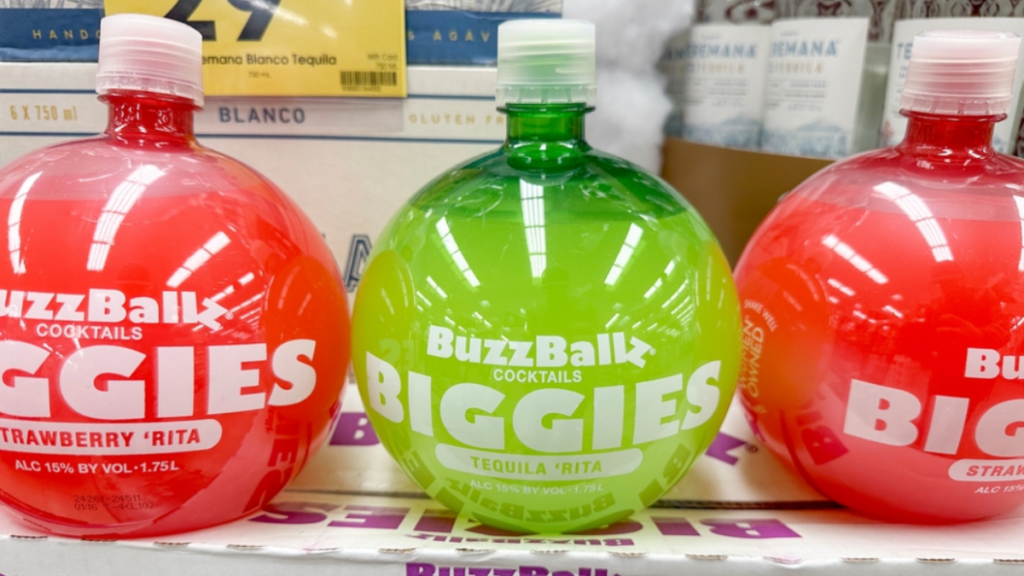
BuzzBallz are phosphorescent balls containing high-alcohol fruit drinks that the New York Times says “are all the rage” among Gen Z. I can confirm as much, having heard of them from my high school-age child: Apparently teen parties and beach bonfires in the Bay Area are overflowing with beer and BuzzBallz.
Often featured in youth posts on Instagram and Tiktok, the brightly colored drinks are not confined to the United States. Lucy Rocca, 50, living in Sheffield, England, first heard of BuzzBallz when she was planning a New Year’s party. She was talking to her daughter and a friend about what to buy for it, and when they suggested BuzzBallz, “I was like, ‘Whoa, no way.’” She told the Times that when she asked her 13-year-old daughter where they had heard of Buzzballz, the girl responded, “All my friends are drinking them.”
The playful packaging and fruity flavors that attract young drinkers are much like the candy-flavored vaping products that Big Tobacco sells to hook kids on nicotine. And Gen Z’ers are more likely than other generations to drink to excess and to binge drink, according to researchers at University College London. They attribute the increase to high rates of anxiety and stress, the promotion of drinking on social media, and easier access to alcohol through grocery stores and online delivery services.
The BuzzBallz brand was bought up in 2024 by the spirits company Sazerac, which claims it doesn’t market to underage drinkers. But in December of last year, Sazerac came out with Boulders, a supersize version of BuzzBallz that contains three liters of drink “and about as much alcohol as 25 standard cans of beer,” according to the Times.
With this in mind, now is a good time for parents and teachers to sit down and talk with their young ones about the dangers of alcohol poisoning and drinking and driving – no matter how playful the package of the drink.
The name “MindSite News” is used with the express permission of Mindsight Institute, an educational organization offering online learning and in-person workshops in the field of mental health and wellbeing. MindSite News and Mindsight Institute are separate, unaffiliated entities that are aligned in making science accessible and promoting mental health globally.

Author

Related Articles


Future Friends, a Concert Series to Reduce Loneliness and Increase Belonging
The Future Friends concert series pairs live music, phone-free social events, and mental health resources to fight loneliness on college campuses.

California Orders Sacramento County to Work With Five Cities to Reduce Homelessness
New legislation requires Sacramento County homelessness efforts to be coordinated among five cities to bridge funding gaps and shelter needs.