
Mental Health for Ukrainian Medics: ‘When We Save One Medic, They Will Save 100 Lives’
Rehabilitation retreats help emotionally wounded medics recover so they can better care for their fellow soldiers.
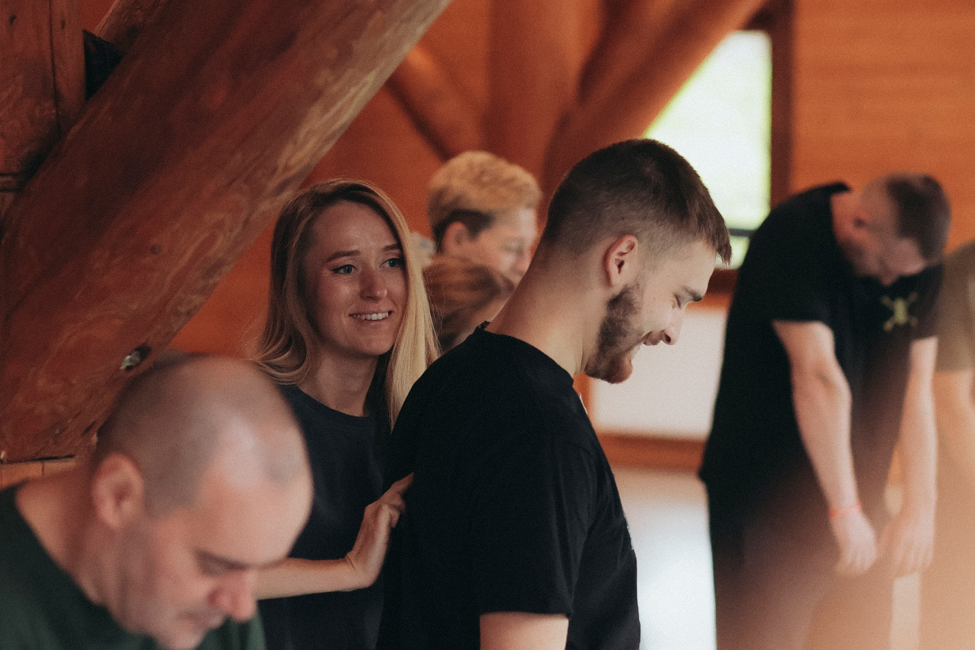
Sitting in the front seat of a coach bus inching near the Ukrainian border, Ostap* argued with the organizers of the journey he was on. Even after spending months tending to injured Ukrainian soldiers, the young Ukrainian army combat medic didn’t want to leave his comrades for a remote mental health retreat. But his commanding officer had ordered him to go, and now he was stuck on a bus full of other combat medics and a woman named Maryna Sadykova, who had organized the retreat.
Why waste money on a recovery retreat for frontline paramedics when drones were so desperately needed to win the war? he protested. Why not devote every spare dollar to purchase more weapons for the Ukrainian army?
A medic with the Azov brigade, Ostap longed to be back on the frontlines. But sometimes, perspectives change quickly. Just days later — after swimming, painting and attending group therapy sessions with other medics – he turned to Sadykova and said he understood: Mental health is also a weapon.
As Ukraine battles through its fifth year of all-out war, the country is struggling to keep its frontline units filled – especially since many of the soldiers who were first to enlist are now injured, exhausted or dead. The shortage is particularly acute among combat medics, since many of the country’s most skilled physicians were killed after volunteering in the early days of the conflict.
For those medics who remain on the frontlines, conditions are brutal, with drone warfare at an all-time high and attacks on healthcare facilities common. In February, the United Nations estimated that Russia had killed 359 Ukrainian health workers and attacked healthcare facilities 2,591 times since 2022.
“We don’t have enough resources to help all the (soldiers),” said Sadykova. “But when we save one medic, they will save 100 lives.”
The Ukrainian government has invested heavily in rehabilitation centers for wounded veterans, but, Sadykova said, “it doesn’t help people who are wounded emotionally and not physically.”
So in 2022, Sadykova co-founded the Ukrainian charitable organization Repower to support the mental health of combat medics’ by hosting rehabilitation retreats, first abroad and later in the relatively safe western regions of Ukraine. To date, nearly 2,000 frontline medics have taken part in more than 20 retreats.
Sadykova developed the idea for Repower in the early months of Russia’s full-scale invasion, while she was dealing with the mental health consequences of living under constant siege. In September 2022, six months after Russia tried – and nearly succeeded – in capturing her home city of Kyiv, Sadykova took her young daughter on a vacation to the Carpathians, a quiet mountain range in western Ukraine. She was burnt out from the ceaseless barrage of air raid alerts, and a few days in nature helped her recover.
Sadykova developed the idea for Repower in the early months of Russia’s full-scale invasion, while she herself was dealing with the mental health consequences of living under constant siege. In September 2022, six months after Russia tried — and nearly succeeded — in capturing her home city of Kyiv, Sadykova took her young daughter on a vacation to the Carpathians, a quiet mountain range in western Ukraine. She was burnt out from the ceaseless barrage of air raid alerts, and a few days in nature helped her recover.
When a friend in Sweden reached out shortly thereafter to see if she’d be interested in co-founding a charity, Sadykova knew she wanted to share that same kind of recovery with frontline medics.
She reached out to a small team of organizers who’d met during the early days of Russia’s invasion while volunteering with World Central Kitchen, the nonprofit started by restaurateur and chef José Andrés that provides food to people in crisis zones, including Ukraine. Together she and her colleagues launched Repower.
Sadykova and her team allow military brigades to choose those they believe are most in need of rest – prioritizing those who’ve been on the frontlines for at least six months.
“Medics especially, they don’t want to leave their comrades,” said Lesia Melnychuk, Repower’s arts program manager. “We also have this stigma in our society towards mental health, because in the Soviet Union the government oppressed people with mental disorders” or accused people who spoke out against the state of being mentally ill, she added.
But Repower employs a simple, but psychologically powerful, formula to help medics relax and open up to the experience.
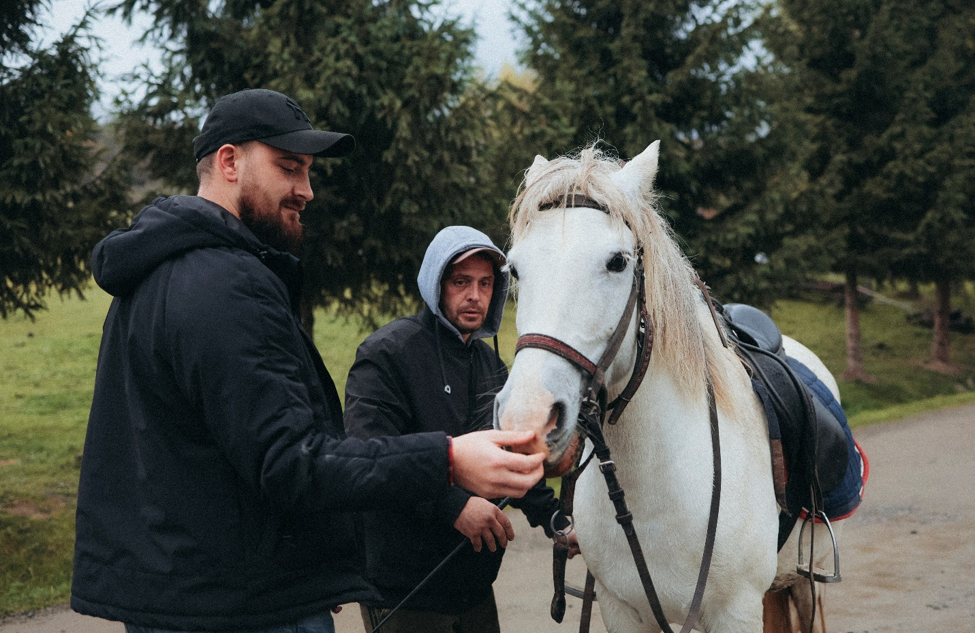
After arriving at the retreat, often traveling hundreds of miles by train or bus, medics participate first in calming activities such as walking in nature, catching up on sleep and visiting with animals. By day three, Repower project manager Dariya Kulynych says, “They usually ask, ‘Okay, nature is good, but what about the city? We want to see something.’”
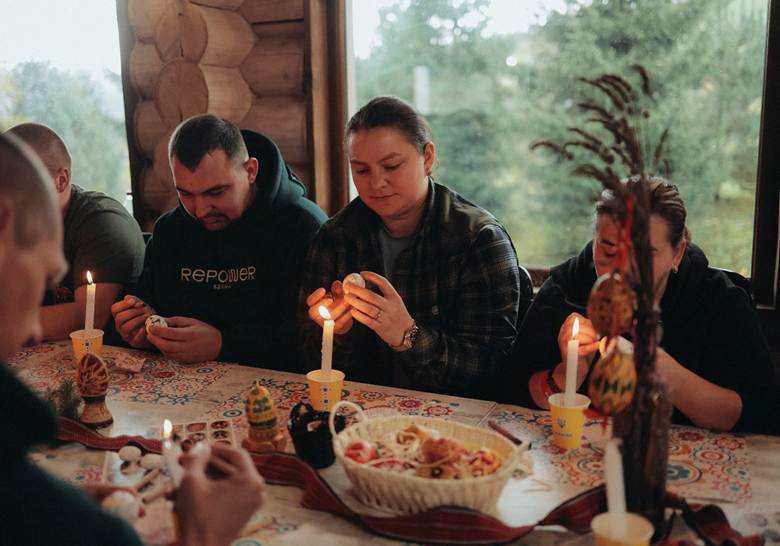
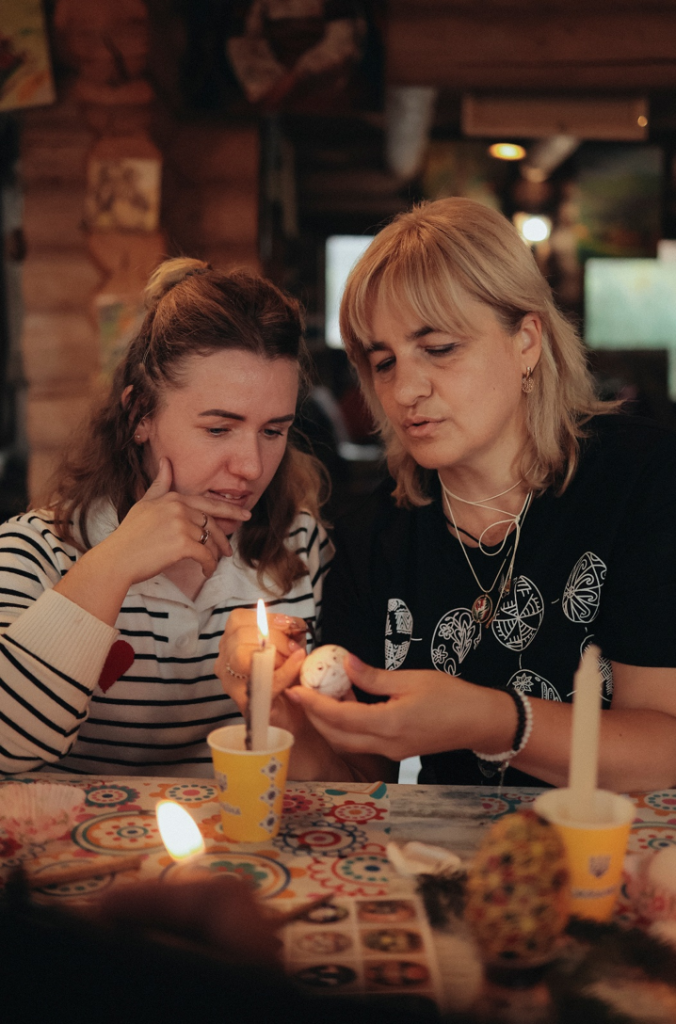
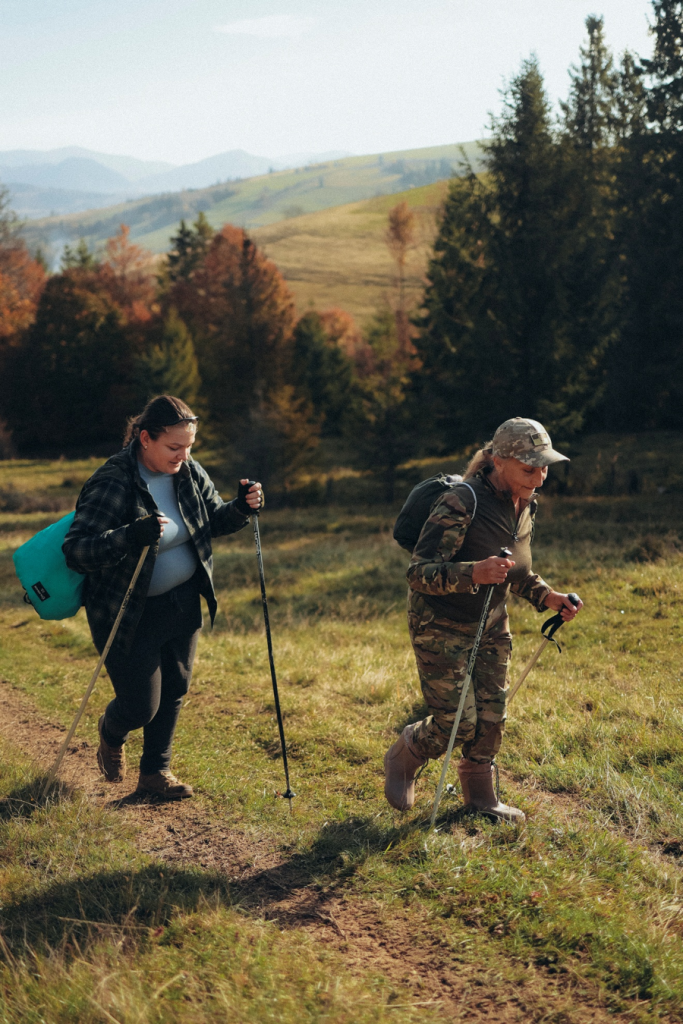
Then the program begins to ramp up, with cultural activities, singing, crafting, arts and sometimes professional exchanges with physicians in neighboring countries. After about a week, the programming shifts to physical activities, some of them quite intense.
“The extreme is super important here – positive adrenaline, controlled adrenaline,” said Kulynych.But throughout, Repower makes sure medics still have access to calming activities, like yoga, saunas and hours of group therapy.
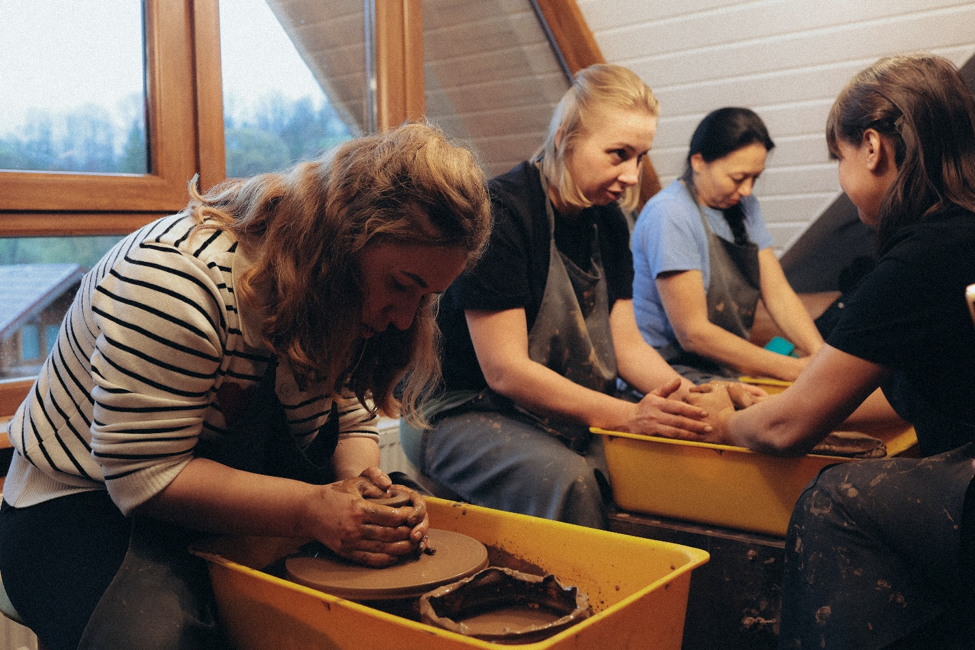
At first, Repower coordinated with organizers in foreign countries, including Sweden, Denmark and Spain, to host recovery programs abroad. Although the logistics of getting a group of 100 medics abroad were complicated, the team understood that combat medics would only be able to fully rest if they left the country.
“When our soldiers have a few days of vacation, they return to their hometowns and those cities are bombed,” said arts manager Melnychuk. “We don’t have civilian and safe places in Ukraine.”
In October 2025, Repower hosted its first recovery program in Ukraine – in the same region of the Carpathian mountains where Sadykova vacationed in the early days of the full-scale war.
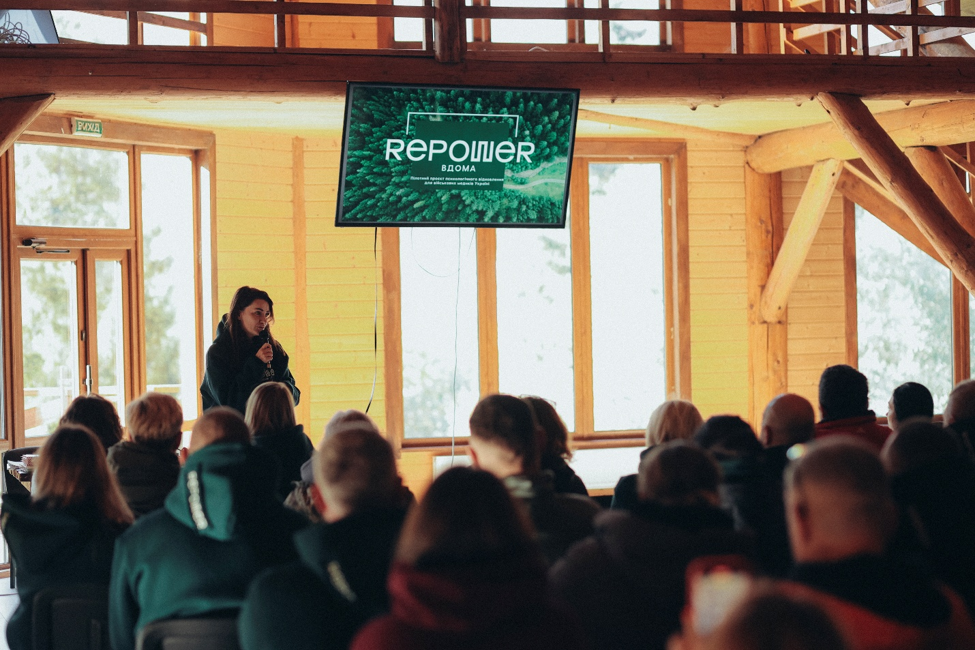
Located along the border with the European Union countries of Slovakia, Hungary and Romania, Transcarpathia is the only region in Ukraine without a curfew as Russian attacks remain uncommon. The organization has continued hosting retreats in the region and hopes to open a permanent, full-time recovery program there this year with the aim of supporting 3,500 medics each year.
Sadykova says the idea to open a full-time program was sparked by a conversation she had with a former Repower participant, 20-year-old combat medic Dmytro, in July 2025. A year after he’d participated in a Repower retreat in Denmark in July 2024, Dmytro reached out to thank Sadykova for the program, which had connected him to combat medics across the country, including one who’d performed surgery on him after he took shrapnel from a drone on the frontline.
“This is the circle where there is no secret, and these people experienced the same experience as I did, and it makes life easier,” Dmytro said, speaking through a translator, of his experience building friendships through Repower.
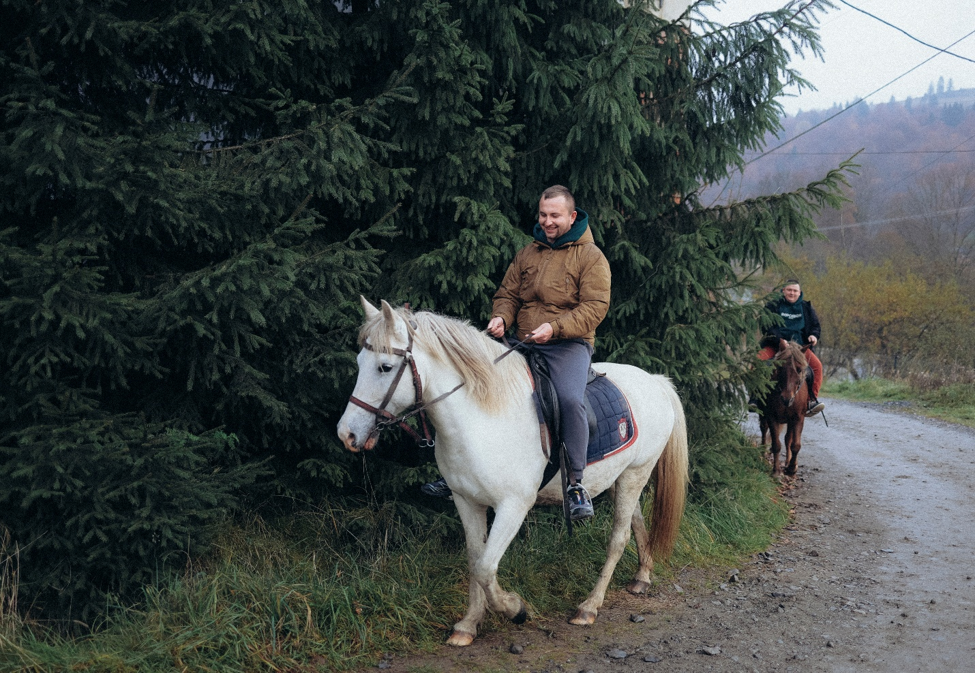
A few months after Dmytro shared his thanks with Sadykova, she and her colleagues held Repower’s first retreat in Ukraine, bringing Dmytro back alongside 100 other combat medics who’d previously participated in programs abroad. After 10 days of hiking in the snowy Carpathian mountains, decorating tote bags with traditional Ukrainian motifs, visiting artisan cheese factories and dancing at a banquet dinner, Dmytro had tears of happiness in his eyes.
“Here, soldiers who have seen the worst things that you can see, can be a healthy person and cry like a child,” he said. “I’m extremely happy to be here now with all the best people in the world.”
* Many Ukrainian combat medics and soldiers prefer to be identified by their first names only for security reasons.
The name “MindSite News” is used with the express permission of Mindsight Institute, an educational organization offering online learning and in-person workshops in the field of mental health and wellbeing. MindSite News and Mindsight Institute are separate, unaffiliated entities that are aligned in making science accessible and promoting mental health globally.


Author

Related Articles
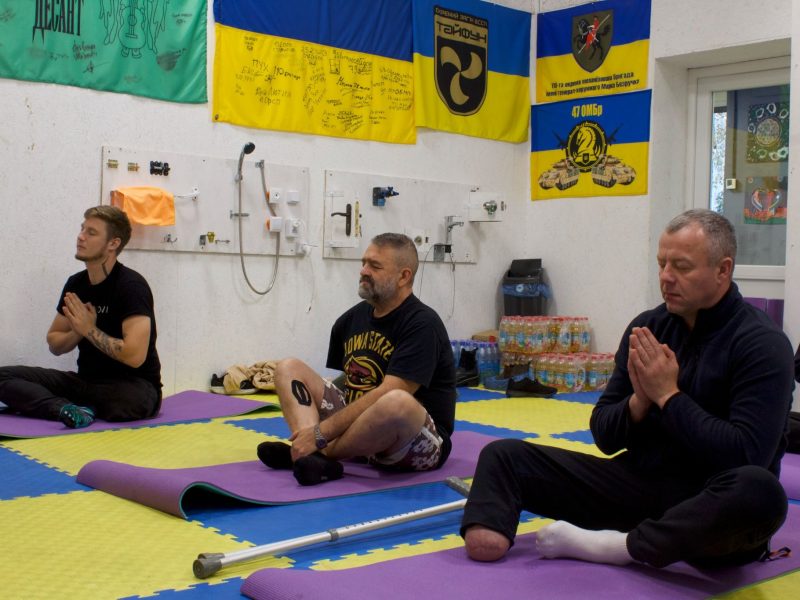
Ukrainian Vet Amputees Seek Healing With Yoga ‘To Feel the Connection With Themselves Again’
Up to 100,000 Ukrainians have sustained amputations since the Russian invasion in 2022.
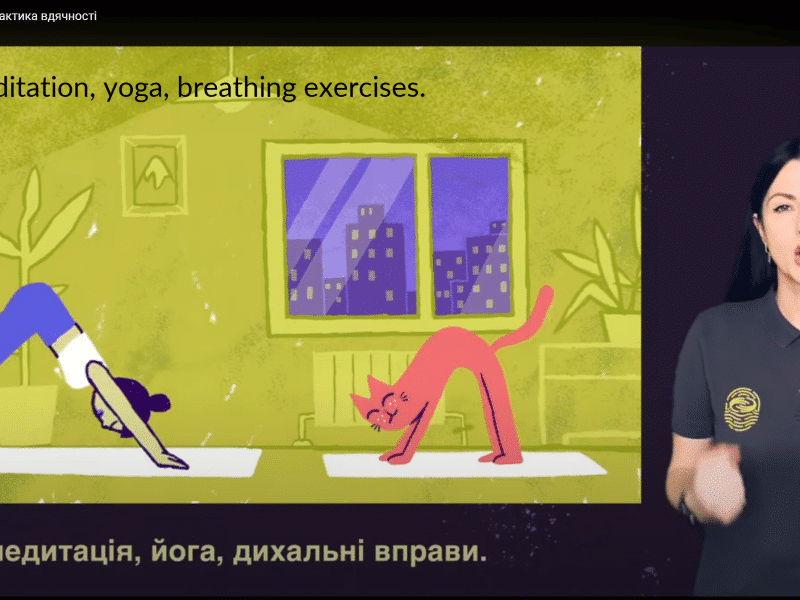
Part Three | Ukraine Uses TV, Internet to Train People to Manage their Stress and Anxiety
The government has set up many projects intended to mitigate the effects of war on the psychosocial health of the population remaining in Ukraine. The projects range from interactive cellphone apps to websites and TV public service announcements.

Part Two | “Living under war tests the strength of the psyche and body”
An interview with Ukrainian psychologist Anna Katruk:
“People are living in a so-called napiv stabilizovanyy – “semi-stabilized” – environment: That’s the term I use to describe the situation of people living inside Ukraine but away from the front lines – people must withstand high levels of tension, uncertainty and exhaustion.”