
Research Suggests Exercise, Other Lifestyle Changes Could Prevent Almost Half of Dementia Cases

A study from researchers at Curtin University and published in The Lancet Healthy Longevity last week found that nearly half of all dementia cases could be prevented with consistency in certain behaviors, including maintaining an exercise regimen, not smoking, access to education, not drinking in excess, getting adequate sleep and building strong relationships with other people. Current public health strategies aren’t translating that awareness into actual behavior change. Study co-author and Curtin University Professor Mario Siervo told Newsweek that the findings show a disconnect between what people know and what they do. Up to 45% of dementia cases are linked to factors that can be changed such as our lifestyle, health status and environment.
Another related Curtin-led study, published in Clinical Nutrition this March, shows that muscle strength and body composition are significant and previously underappreciated factors in dementia risk. Following nearly 500,000 adults over more than a decade, researchers found that people with sarcopenic obesity, which indicates both low muscle strength and excess body fat, face a higher risk of developing dementia. But obesity alone wasn’t linked to increased risk when muscle strength was preserved.
Laura Bojarskaite, a neuroscientist at the University of Oslo, added that in this case, “preventable dementia” comes with caveats. “Preventable is a population estimate, not a personal guarantee,” she said. “It means that if these risk factors were removed across an entire population, up to this share of cases might be avoided or delayed. It doesn’t mean an individual can guarantee they’ll never develop dementia by ticking boxes, and it shouldn’t become a new source of blame for people who do.”
For the Lancet study, researchers examined prevention campaigns across eight countries and found that large-scale awareness campaigns reach wide audiences but produce limited behavior shifts and small gains in knowledge. Interactive approaches were more effective, including online programs walking people through practical brain-health steps, personalized risk assessments and community-based programs led by trusted local figures like peer educators and health workers. Programs combining culturally-relevant content in familiar settings with realistic goal-setting, unsurprisingly, drove the most lasting change.
The name “MindSite News” is used with the express permission of Mindsight Institute, an educational organization offering online learning and in-person workshops in the field of mental health and wellbeing. MindSite News and Mindsight Institute are separate, unaffiliated entities that are aligned in making science accessible and promoting mental health globally.

Author

Related Articles

After Deadly Oregon School Shooting, Experts Offer Advice to Grieving Families and Advocates Renew Call for Stronger Gun Laws
Following the tragic shooting in Bend, Oregon, grief experts share advice for families while the debate over federal and state gun laws re-emerges.

‘Going Into the Tunnel’: Doomscrolling Steals Sleep and Takes a Toll – But Prompts Some Youth to Action
New CDC and Hopelab reports show that late-night doomscrolling severely disrupts sleep and worsens mental health among young people.
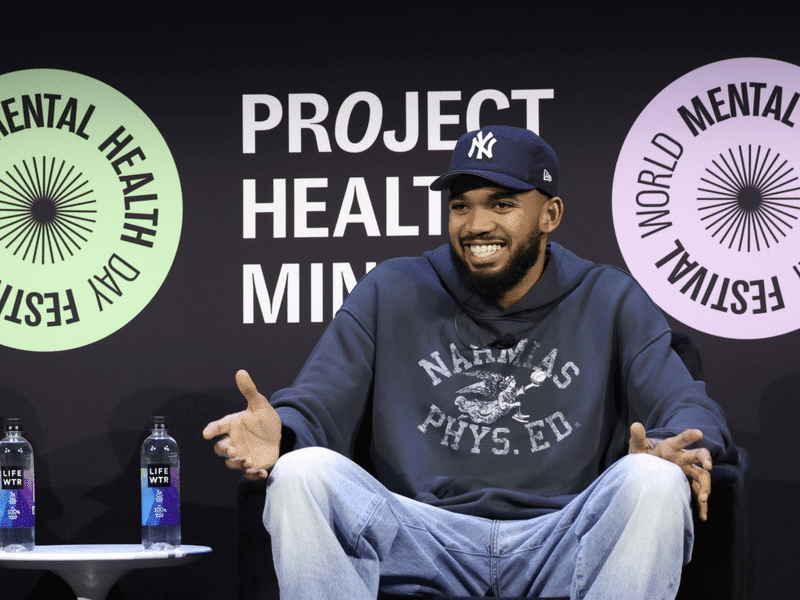
Superstar Athletes Open Up at Project Healthy Minds 5th Annual World Mental Health Day Festival
Bringing together athletes, entertainers, and mental health experts, the 5th Annual World Mental Health Day Festival featured candid conversations on identity, screen time, and emotional resilience.