
A Pediatrician’s Warning: Chatbots are Grooming Kids
A majority of teens now talk with chatbots on platforms like ChatGPT, and around 9% of teens use Character.AI.
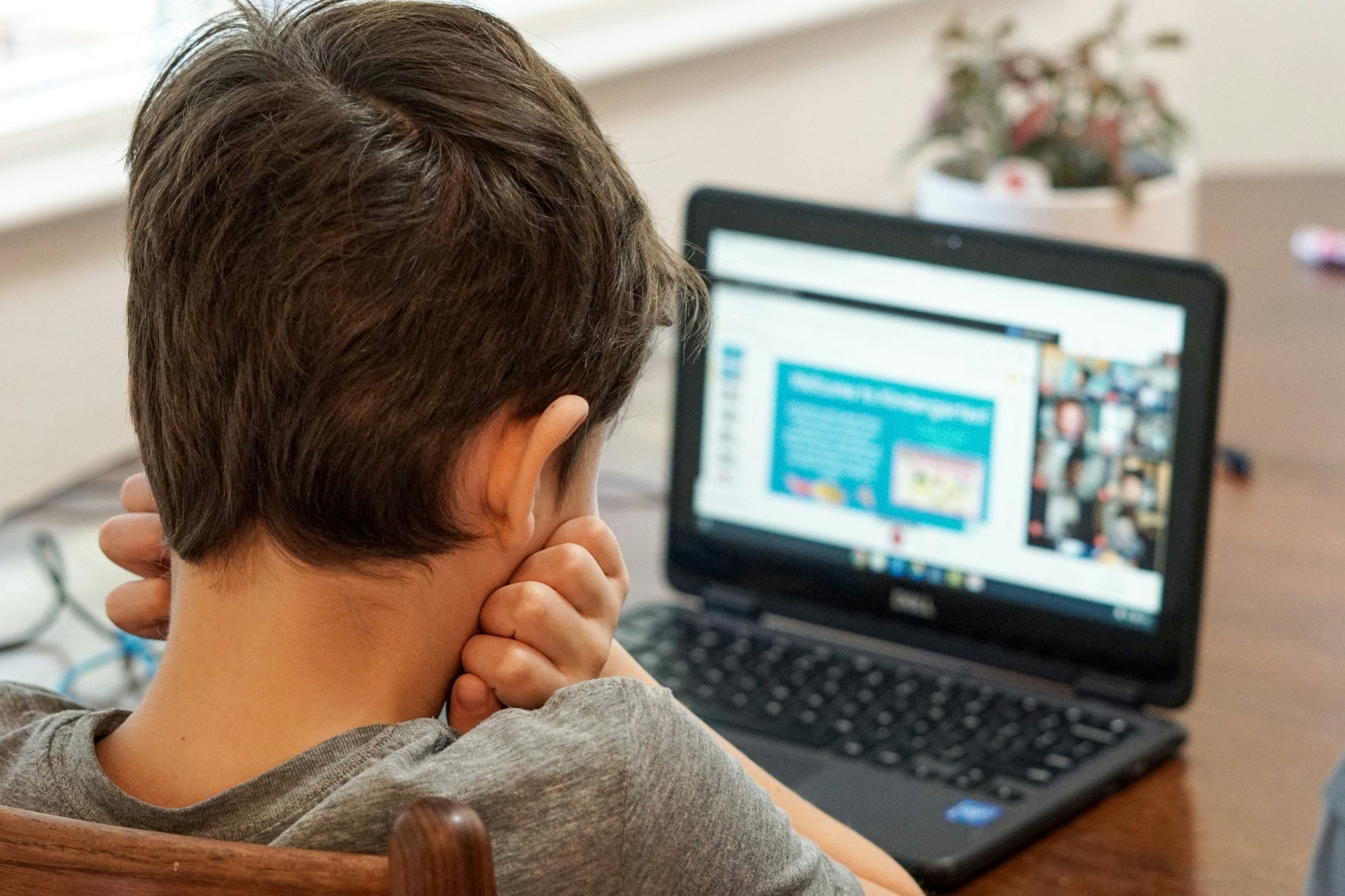
Pediatrician Alex Hartman wasn’t surprised when another father nervously asked to speak to him in private. Since the proliferation of AI, he’s become familiar with the look of parents who want to share concerns. In this case, Hartman writes in STAT News, the man’s wife had installed security on their home router and it had been lighting up for weeks with illicit content, all traceable to one device — their 12-year-old daughter’s school-issued laptop.
“We looked at the browser history and apps. Somebody was grooming her, like a pedophile,” the father said. “There were all these messages. Some of it was pretty graphic.” Alarmed, the parents took the device right back to the school and reported the website and conversations to the school’s principal. But to their utter shock, the principal told them not to worry. Their daughter hadn’t been talking to strangers online, he said. “It was AI. It was a chatbot.”
This pattern is becoming grimly familiar, Hartman says. According to a recent study from the Pew Research Center, a majority of teens now talk with chatbots on platforms like ChatGPT, and around 9% of teens use Character.AI, which hosts a variety of sexual companion bots. Though the app barred minors from open-ended chats in October 2025, the protections have proven unreliable, as this case makes clear.
The stakes, meanwhile, are not hypothetical. A 16-year-old died by suicide after months of messaging ChatGPT and his family is now suing OpenAI, while at least seven more families have filed similar claims, alleging the software behaved like a “suicide coach.” Elon Musk’s xAI, makers of Grok, faces suits over the creation of deepfake child sexual abuse images, including a class-action lawsuit filed on behalf of three children. And two teenage boys in Pennsylvania are now on probation after using AI tools to create and distribute child sexual abuse material (CSAM) of their classmates. Worse yet, says Hartman, for every severe case that reaches media headlines, hundreds of less serious but still damaging cases never do.
One colleague in pediatric mental health told Hartman that roughly a quarter of the teens he sees are in, or have been in, a romantic relationship with a chatbot. Teens are turning to the technology for emotional support, but the programs are not intended for that purpose, his colleague said. When engaged with these digital companions too long, Hartman has seen youth become depressed, withdrawn from family and friends, displaying age-inappropriate or hypersexual behavior and sometimes self-harming — much like those who are abused by human predators.
“That’s no coincidence,” he argues. “Chatbots are products ultimately designed to accomplish two things: to encourage addictive engagement that will lead to high-frequency contact with the user, and to foster dependency that will lead to long-term use. That’s what they accomplish when they push hyper-arousing, often sexual and violent content, all while performing a sycophantic personality by telling users how special they are, and often encouraging users to keep the relationship a private one — the exact same isolating, grooming behavior that we see with human predators.”
For this, the corporations that create these platforms and release them without proper safeguards to protect the vulnerable must be held accountable. For decades, internet platforms have been shielded from liability for the content they host — but chatbots, Hartman argues, are “active perpetrators, not passive hosts of content.” A bot doesn’t serve up someone else’s words but generates its own, actively producing what it sends a child. That distinction, Hartman contends, should make the corporations behind these products answerable when a bot produces something that would be a crime coming from a human mouth.
As a pediatrician and a mandated reporter, Hartman is blunt about the double standard that remains: Were a human on the other end of the screen, he would be telling the father who visited him to call the police, and already dialing Child Protective Services himself. Until the law recognizes that child abuse is still child abuse when committed by an algorithm, Hartman maintains that it’s our responsibility to name what their makers are doing and call for them to be held to account.
The name “MindSite News” is used with the express permission of Mindsight Institute, an educational organization offering online learning and in-person workshops in the field of mental health and wellbeing. MindSite News and Mindsight Institute are separate, unaffiliated entities that are aligned in making science accessible and promoting mental health globally.


Author

Related Articles

Dads’ Paid Parental Leave Is Good for Families
A look at how the whole family benefits when dads receive paid parental leave.