Meta’s $17 Billion Reckoning for Teen Social Media Addiction
The company is reshaping its Facebook and Instagram platforms after 47 states argued its content was addictive by design.
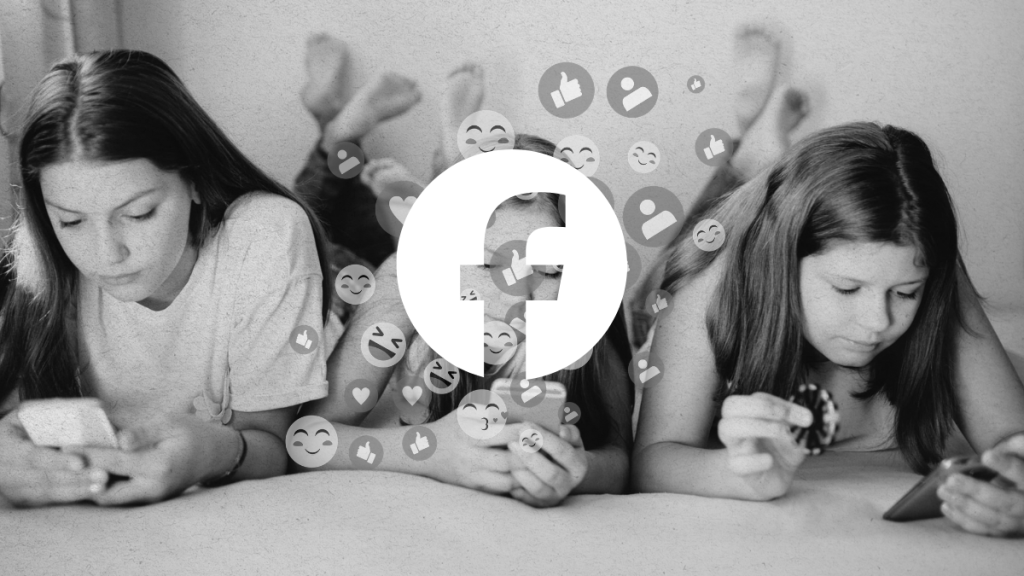
Meta agreed Wednesday to pay up to $17.1 billion to settle claims from 47 states, the District of Columbia and U.S. territories. The plaintiffs argued that Facebook and Instagram violated child privacy and states’ consumer protection laws, endangering children through addictive design. The sum is among the largest a tech company has ever paid to the states. According to the New York Times, the deal ended a bellwether federal trial in Oakland where California, Colorado, Kentucky and New Jersey had sought roughly $200 billion for violations of child privacy and consumer protection laws.
A separate $1 billion settlement with Texas over similar allegations was also announced. Funds there will support youth mental health services and grants for Texas schools, pushing the company’s combined total payout above $18 billion.
For child and adolescent users under age 18, the Times noted, Meta will impose two-hour daily limits on Instagram and Facebook. It will restrict usage between midnight and 6 a.m. and silence notifications during school hours (8 a.m. to 3 p.m.). It will also curb features that psychologists have tied to negative self-image, like beauty filters and visible “like” counts, while tightening age verification and parental controls.
“The focus of this case was to protect our kids: stopping notifications and alerts at night and when they are in school, encouraging them to take breaks from social media, protecting them against harmful features,” Colorado’s attorney general, Phil Weiser said in a statement. He also noted that Meta agreed to more than what courts might have ordered.
The full scale of the payout will depend on whether other social media corporations also settle and agree to penalties and changes to their products. Meta will release nearly $12 billion up front, but will only issue the remaining $5 billion if Snap, TikTok and YouTube also settle. “This framework will only work if all our peers join us,” Meta’s chief legal officer C.J. Mahoney said in a blog post. “Because teens move fluidly across dozens of apps, we need an industrywide solution.”
The slew of lawsuits from states and school districts alike borrowed from the legal playbook used against Big Tobacco in the 1990s. They are chipping away the defense of social media companies by leaning on Section 230 of the Communications Decency Act, which immunizes platforms against liability for what their users share and post.
Analysts believe the historic settlement points to Meta’s understanding that they stood to pay far more at trial. The company and YouTube were ordered to pay $6 million in a personal-injury case they lost back in March. Just this month, a New Mexico judge ordered Meta to pay nearly $1 billion in penalties for violating that state’s consumer protection laws.
“The cost of maintaining infinite scroll, auto play, filters, etc., is just too big a risk for the company,” said Stuart Benjamin, a Duke School of Law professor and the co-director of the university’s Center for Innovation Policy. “And they have concluded that they’ve just got to end that risk one way or another.”
Another group of federal cases, of which some states are a part, is being heard in Oakland. Meta said it will continue to fight those lawsuits, and is confident it can defeat any additional personal injury claims.
This action is the latest in a global reckoning with the dangers of social media. Last year, Australia became the first country to ban use of social media for anyone under 16, and Denmark, France, Germany, Spain, India, Indonesia and Malaysia have each passed or floated versions of the same rule. Last month, the European Union took its first step toward a ban that, if implemented, would be the largest in the world.
Some of these restrictions already exist in Europe, said Vincent Joralemon, director of the Life Sciences Law and Policy Center at the Berkeley Center for Law and Technology. The changes Meta agreed to are “significant, but not totally revolutionary,” Joralemon said, adding “I do think that using these platforms as a minor will start to look pretty different than it did five years ago.”
State officials were buoyant over the win. “This is a monumental public health victory for young people in D.C. and across the country, and the safety features Meta is required to install will fundamentally and immediately change how young people use Instagram and Facebook,” District of Columbia Attorney General Brian Schwalb said in a statement. Meta is the first social media company to settle, he said, but it “will not be the last.”
The name “MindSite News” is used with the express permission of Mindsight Institute, an educational organization offering online learning and in-person workshops in the field of mental health and wellbeing. MindSite News and Mindsight Institute are separate, unaffiliated entities that are aligned in making science accessible and promoting mental health globally.


Author

Related Articles

Depression Isn’t the Only Post-Birth Mental Illness Recent Mothers Experience
Postpartum depression gets the spotlight, but anxiety, psychosis, and other perinatal mental illnesses often go unnoticed and untreated.

TikTok Suggests Scores of Students Are Leaving College Weeks Into the Semester. Is It True?
TikTok videos of freshmen quitting college are going viral, but the data says Gen Z isn’t dropping out more than past generations.

Recovery Homes Work, but Georgia Cities Want to Keep Zoning Them Out
Recovery residences help Georgians beat addiction, but neighbors and zoning laws across Georgia are pushing sober living homes out.