How 9/11’s firefighters began to heal from unspeakable trauma
‘At the FDNY, we lost 343 members…The devastation was so total that action seemed like the only antidote.’

“In the days after 9/11, grief was everywhere, not the kind that wails or weeps, but the kind that settles into silence. At the FDNY, we lost 343 members. Sixty-two firehouses across New York City had at least one loss. Many firehouses became places of mourning as well as service – some losing multiple members from the same shift, entire crews gone in a single morning.
“It felt, at times, like walking through a city of ghosts. The air was thick with smoke, but also with absence.
“At the time, I was helping lead the FDNY’s behavioral health response. The devastation was so total that action seemed like the only antidote. We devised a practical and compassionate plan: place a trained clinician in each firehouse that experienced a loss. The hope was that if mental health support was made physically present, it would be emotionally accessible. A kind of therapeutic proximity.
“The clinicians, often seasoned and experienced, brought with them deep compassion and professional skill. But even with that background, they found themselves sitting alone in firehouse kitchens, waiting for someone, anyone, to speak. Most of the firefighters didn’t. Some couldn’t. And quietly, another problem emerged: the therapists themselves were becoming overwhelmed. They had parachuted into a world they didn’t truly belong to, where the grief was only the beginning, and fresh trauma kept arriving with every new call. Eventually, we had to create support groups for the support providers. That was our turning point.”
So begins an essay on the World Trade Center attack and firehouse trauma for Psychiatry Research, a piece so beautifully realized that it should be read in its entirety. Its author, Frank Leto, joined the FDNY in the 80s and later became deputy director of its counseling service; now retired, he continues to stay involved in behavioral health and peer-support work with responders. What he and his fellow firefighters came to realize, he wrote, “is that trauma doesn’t respond well to clinical schedules. It doesn’t announce itself at 3 p.m. for a fifty-minute session. Trauma lives in the culture. In the rituals. In the unspoken. In the doctrine silence.”
A code of silence, he said, “discouraged sharing even the things that were breaking you.”
Before, including, and after 9/11, the job of a firefighter involves “walking into the worst day of someone’s life, ten times a shift, hundreds of times a year. You learn to push it down. But it doesn’t stay down. It finds a way out, in your body, your relationships, or your silence. And if there’s nowhere safe to put it, it starts to take things from you.”
What emerged from these discoveries, he says, was the decision to train firefighters to support firefighters, and paramedics to support paramedics – “not to replace clinicians, but to walk alongside them, as translators, as bridges, as peers.” It formalized, he said, the candid conversations, quiet support and burden-sharing that had been happening informally for generations. “Somehow we needed to bottle that. Because that was where the healing was happening.”
At first, the peer check-ins were met with politeness, he said, but then firefighters heading for the door might say, as if it were an afterthought, “I’m having trouble with my daughter.” These last-minute, hesitant disclosures – the start of real trust – became known as “peer doorknob therapy,” Leto wrote. As word spread, “people who had never asked for help in their lives began to open up, because someone they trusted was willing to listen… Over time, we built one of the largest and most resilient peer support networks in the country.”
Such programs are needed nationwide, Leto writes. The mythology around first responders can work against them, Leto says. They’re rightly seen as heroes, he says, but the word “hero” can trap them in armor and isolate them. Firefighters often carry the weight of disasters alone, “not because no one cares, but because no one quite knows how to ask, or what to say.” There’s guilt for surviving, for not doing more, and disconnection “from a world that’s moved on.”
What helps, he says, is practical support, like support with childcare or insurance claims, “and giving people permission to be where they are” on the trajectory to recovery. “What works, most of all, is connection… someone who’s been there saying, ‘Me too.’ That kind of connection can’t be faked. And it can’t be forced. But when it’s there, it can save lives.”
Editor’s note: In honor of the first responders and everyone who lost their lives in the 9/11 attack, we’re reprinting this story about 9/11 fire fighters, which we first published in October of last year.
The name “MindSite News” is used with the express permission of Mindsight Institute, an educational organization offering online learning and in-person workshops in the field of mental health and wellbeing. MindSite News and Mindsight Institute are separate, unaffiliated entities that are aligned in making science accessible and promoting mental health globally.


Author

Related Articles
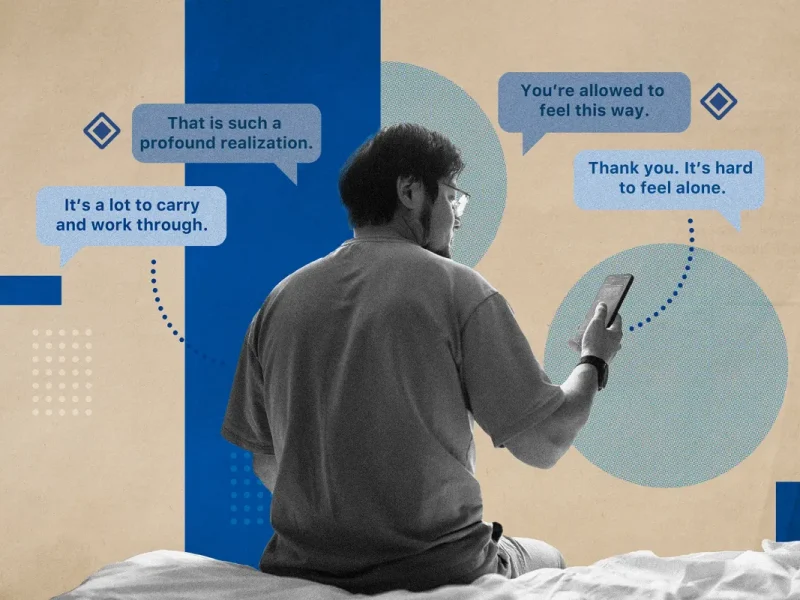
As AI ‘Therapists’ Dish Out Advice, California Lawmakers Try to Set Some Limits
The use of chatbots has exploded over the last two years, and people are increasingly turning to them for mental health advice.
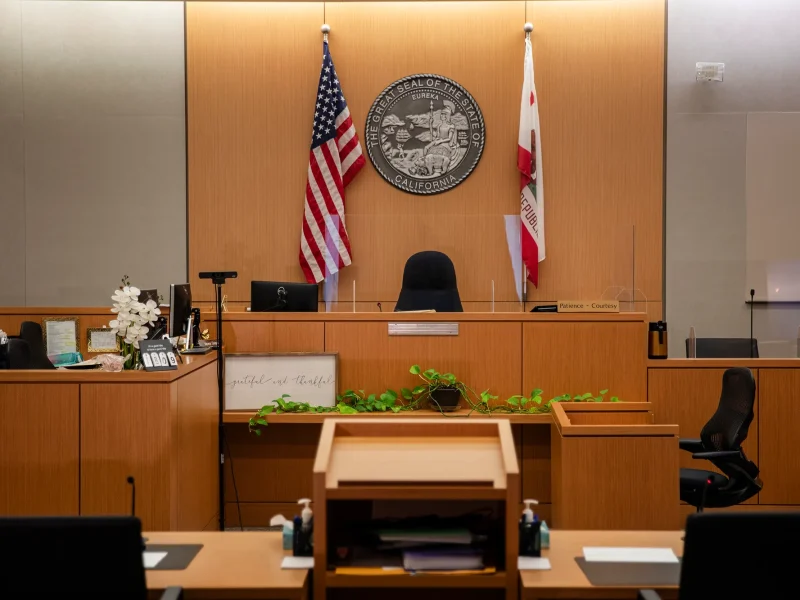
LA County Says a Program Meant to Help People with Serious Mental Illness is Gaining Traction
Gov. Gavin Newsom’s mental health court is gaining more participants in Los Angeles County. CARE Court treats people with serious mental health conditions.
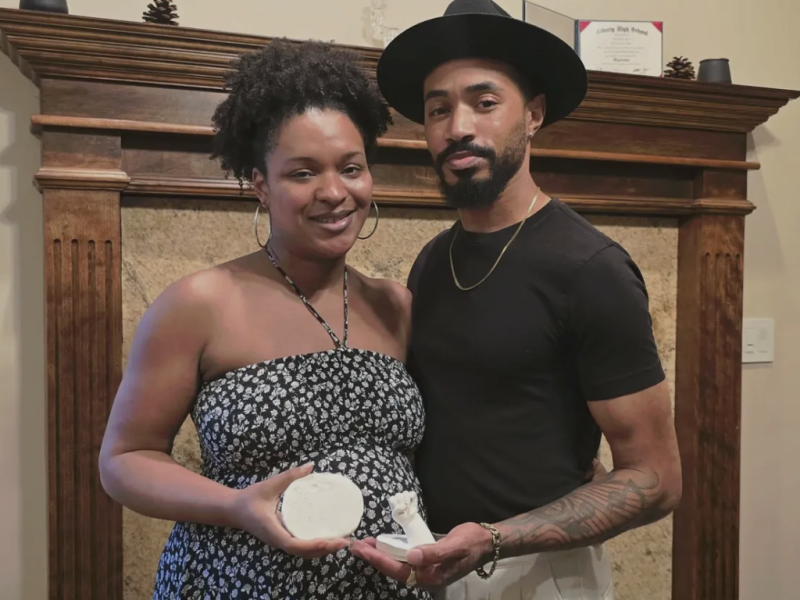
Silent Cry: The Unseen Toll of Infant Loss on Black Families in California
Across the United States, Black parents experience infant loss at rates twice as high as their white counterparts. In California, Black infants die at nearly three times the rate of white babies, a disparity that persists in Kern County, where socioeconomic challenges leave infants dying at triple the rate of white babies as well.