
6 Tips for Welcoming Trick-or-Treaters With Autism This Halloween
Make Halloween more inclusive with six tips for welcoming trick-or-treaters with autism.
A guest essay from Easterseals Northern California
If you’re planning to hand out candy this Halloween, there’s a good chance you’ll meet at least one trick-or-treater with autism.
According to the Centers for Disease Control and Prevention, 1 in 31 children nationwide have been identified as having autism. In California, the rate is even higher, at 1 in 22 4-year-olds. Autism’s growing prevalence is all the more reason to make community traditions like Halloween welcoming and inclusive for everyone.
For children with autism, Halloween can be a great opportunity to engage with their local communities and share in the excitement of trick-or-treating. However, sensory sensitivities and communication differences can sometimes make the experience challenging and stressful for them. By making a few simple accommodations, you can help every trick-or-treater who comes to your door feel included in the Halloween fun.
Here are six tips from Easterseals Northern California, a nonprofit that helps people with autism and intellectual disabilities, to help you get started:
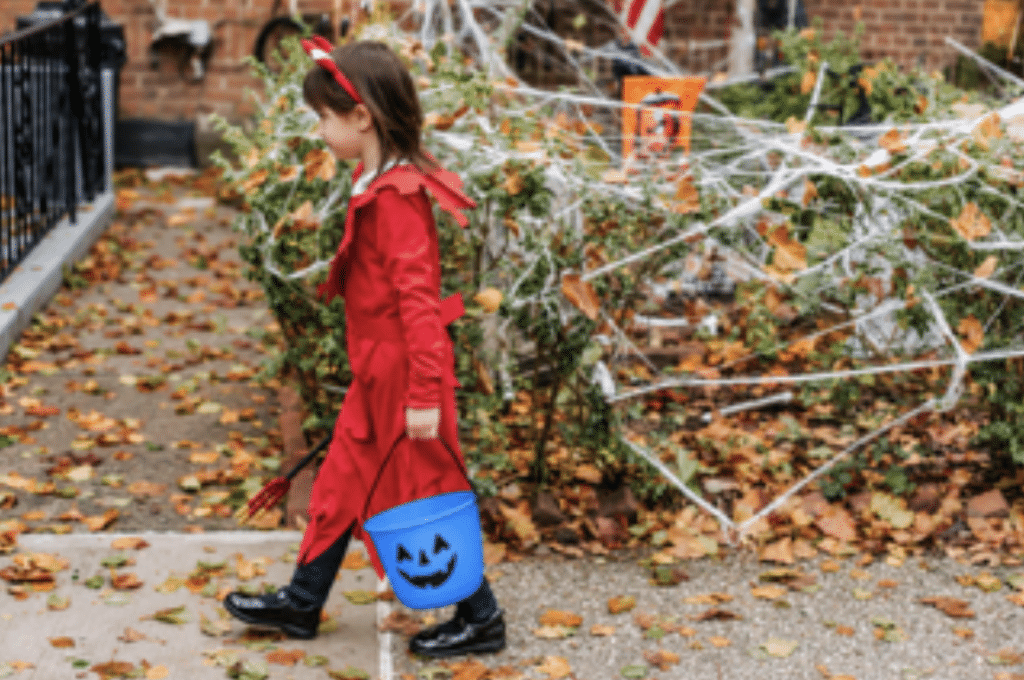
- Know what a blue pumpkin means: Some trick-or-treaters may carry a blue pumpkin or bucket to indicate that they have autism. You might also see a blue-painted pumpkin displayed on someone’s entryway. That often signals autism awareness or that the home is a sensory-friendly space.
- Be patient and flexible: Making eye contact and saying “trick-or-treat” or “thank you” may not come naturally to some children with autism. Others may need a little extra time to respond. With a bit of patience and understanding, you can help every child have a positive Halloween experience.
- Offer different types of treats: Since not all children can enjoy Halloween candy due to food allergies or sensory sensitivities, consider offering non-food options. Popular alternatives include small fidget toys, squishies and stickers.
- Create a calm environment: While Halloween decorations can be exciting, loud noises, bright strobe lights and scary displays may be overwhelming to some children with autism. Turning down the music, softening harsh lighting and skipping sudden scares can prevent sensory overload and make it easier for every child to join in the fun.
- Keep walkways clear and accessible: Some trick-or-treaters may use wheelchairs, walkers or crutches, so keeping pathways clear, well-lit and free of obstacles will help ensure that they can reach your door safely.
- Include everyone: Halloween is a celebration meant to be enjoyed by people of all ages. Teens and adults with autism, Down syndrome or other disabilities often look forward to dressing up and participating in trick-or-treating just as much as younger children. A friendly greeting and a treat can help make the night special for them, too.
These are only a few ideas to show how small acts of kindness can make a big difference on Halloween night. By creating a welcoming environment for trick-or-treaters of all abilities, you can help ensure everyone feels included and has the opportunity to build happy memories alongside friends, families and neighbors.
The name “MindSite News” is used with the express permission of Mindsight Institute, an educational organization offering online learning and in-person workshops in the field of mental health and wellbeing. MindSite News and Mindsight Institute are separate, unaffiliated entities that are aligned in making science accessible and promoting mental health globally.


Related Articles
Secret Shopper Survey Finds Therapists Listed in Insurer Networks Are Often Phantoms
A JAMA Health Forum study reveals over 75% of attempts to book in-network therapists fail due to “ghost networks” in insurance directories.
Going Beyond Consent: Teaching Boys to Speak Up
Raising boys to respect consent, challenge peer pressure, reject rape culture, and stand up against sexual assault on college campuses.