
More Research Should be Done on Psychedelics to Treat the Dying, One Doctor Says
Psilocybin may ease fear and anxiety in terminally ill patients, raising questions about psychedelic therapy and end-of-life care.
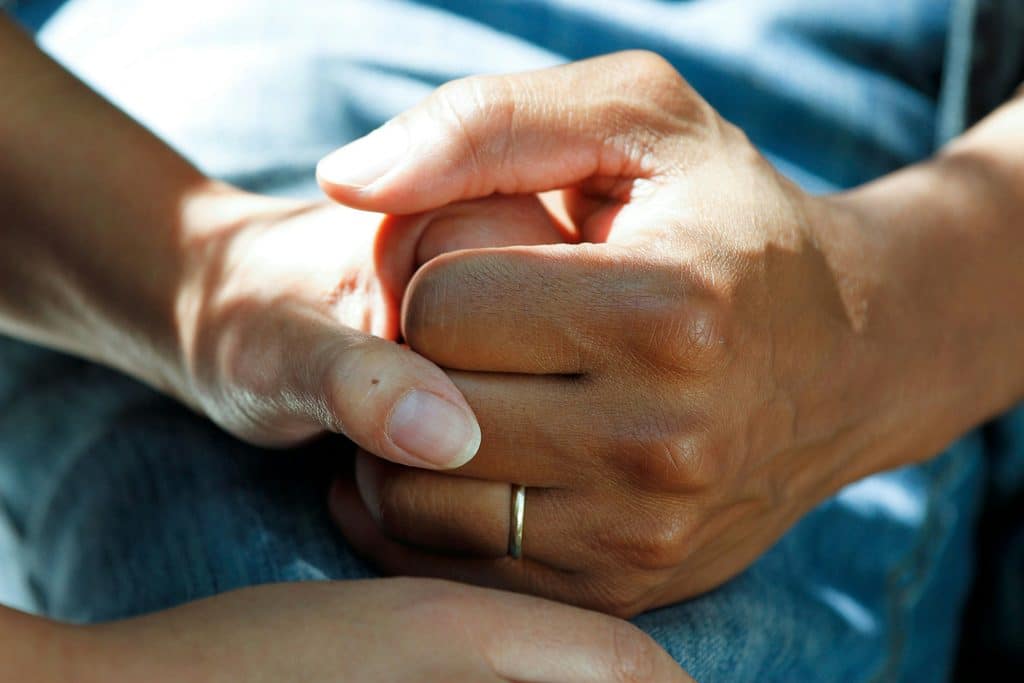
Physicians are trained to provide treatments that cure illnesses and reduce suffering. But few tools help ease the existential fears that some terminally ill patients experience as they near death, Dr. Daniela Lamas writes in the New York Times. As a pulmonary and critical care physician at Brigham and Women’s Hospital in Boston, Lamas has seen that gap at the bedside. Describing the suffering and terror she witnessed in one patient whose cancer had spread to her bones, Lamas wondered whether she “could have done something more for her than to blunt her consciousness” with calming meds and sedatives.
While not quite ready yet, Lamas is optimistic about the small but growing body of research suggesting that psilocybin, the psychoactive compound in so-called magic mushrooms, can relieve the fear and hopelessness some people experience as they contend with death. By acting on the brain’s serotonin receptors, the drug produces several hours of altered perception and, for some, a lasting change in how they view and understand their own lives. Researchers believe it briefly relaxes the brain’s rigid habitual patterns, leaving patients more receptive to the therapy that accompanies it.
The Food and Drug Administration has finalized its guidance on how psychedelics should be studied and heard from the public on how they should be delivered. The agency could decide whether to approve psilocybin for treatment-resistant depression as soon as early 2027.
That’s good news for lots of people — except her critically ill and dying patients, Lamas writes. Psychedelic trials tend to enroll people who are medically stable, able to complete hours of preparatory therapy and remain available for weeks of follow-up. Moreover, the studies are nearly impossible to blind, because people who take psilocybin can tell that it isn’t a placebo. Patients who expect a life-changing experience or who get extra time with a therapist may feel better for those reasons alone. The drug has risks, too: some people have lasting anxiety after a trip, especially outside of a research setting.
Still, Lamas argues, those concerns are fundamentally different at the end of life. A dying patient seeks less terror and more meaning — something only the patient can judge. This makes rigorous study all the more vital. “If some of the benefit comes from the attention, the sense that someone is trying to help, those are important data,” she writes, urging the regulators and health officials shaping policy to consider whether and how psychedelic treatments can benefit hospitalized patients, too.
The name “MindSite News” is used with the express permission of Mindsight Institute, an educational organization offering online learning and in-person workshops in the field of mental health and wellbeing. MindSite News and Mindsight Institute are separate, unaffiliated entities that are aligned in making science accessible and promoting mental health globally.


Author

Related Articles

Voters Reject GOP’s Health Care Agenda While Doctors, Scientists Win Key Races
Election results put Medicaid cuts, Affordable Care Act subsidies and access to mental health care at the center of the healthcare debate.
For Workers with Long COVID, Asking for Help Now Feels Like a Risk
Workers with long COVID face growing challenges as employer resistance and disability policy changes create uncertainty.
Trump Threats Harm California Election Workers’ Mental Health
California election officials report anxiety, staffing concerns and workplace disruptions as threats and investigations intensify.