
Writing Obituaries for Deaths by Suicide
The way media reports on suicide matters. Responsible journalism can reduce stigma, challenge long-standing taboos and help prevent suicide.
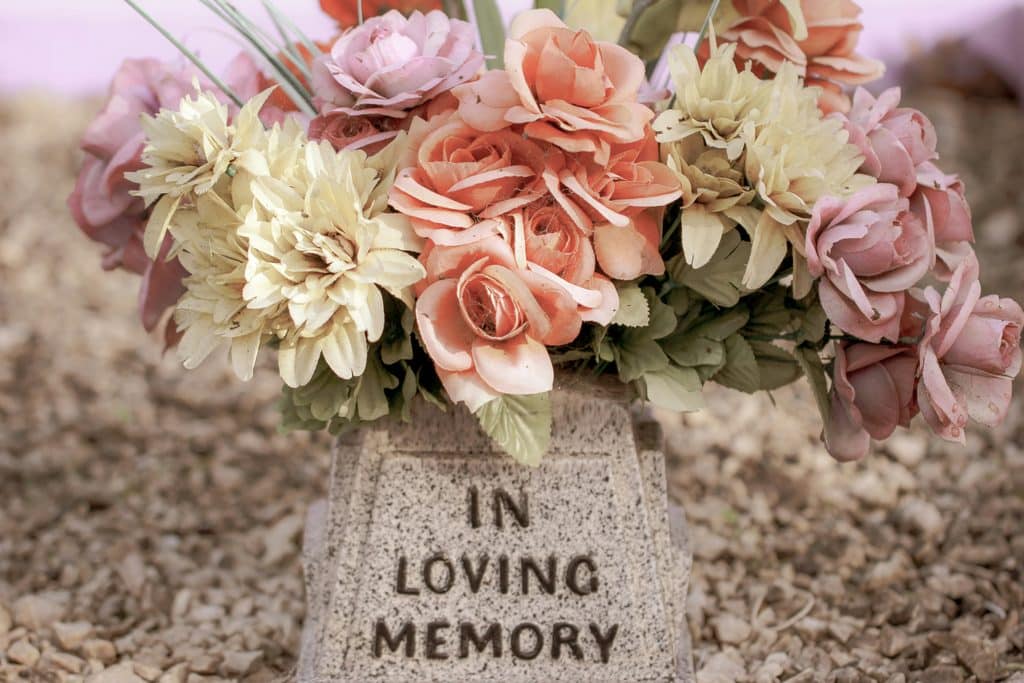
New York Times writer Clay Risen, part of the Obituaries desk at the paper, recently reflected on his job and the Times’ evolution on covering suicide in a poignant essay. Although families are more open to talking about suicide, some are still reluctant to broach the subject and some avoid it entirely.
This isn’t unexpected; for many years, obituary reporters were just as uncomfortable. For much of its history, the New York Times’ obituary desk either hid suicide behind euphemisms like “died suddenly” or covered it with sensational, moralizing headlines. That approach reflected an era when suicide was widely seen as a moral failing or as madness, not a mental health issue. When Ernest Hemingway died in 1961, for instance, the Times reported his death as an accident following the account that his wife, Mary, first gave authorities. But five years later, she confirmed to the paper that he had died by suicide after years of mental turmoil. “In the very first day I could not accept the fact,” she said. “Later I admitted it to myself. I spoke about it to friends.”
Her decision to publicly acknowledge his suicide, in the manner that she did, was radical for the time. Rather than condemn Hemingway, she placed his death in the context of mental health struggles and gave voice to the people who loved him, which psychologists say may help deter people considering self-harm. Still, the shift in media coverage has been far from steady, despite evidence that reporting on suicide carries real risk. Social scientists call it the Werther effect after Johann Wolfgang von Goethe’s 1774 hugely influential novel “The Sorrows of Young Werther,” which ends with the protagonist’s suicide. The book was followed by so many copycat deaths that critics urged Goethe to add a warning for readers.
It was not until after a 1989 federal workshop that health officials adopted standard reporting guidelines, including a caution against blaming suicides on a single cause. Coverage done with that kind of care can honor one life while possibly helping to protect others. “Journalism and reporting of suicides can actually be part of the solution,” said Dr. David Jobes, a professor of psychology at the Catholic University of America. “It brings into the larger public an awareness that this is a public-health issue.”
Still, old taboos die hard. As Risen concludes, “There is more openness about discussing suicide now. But the topic remains tinged with shame, taboos, moralizing and even romanticizing, in a way that other kinds of death are not.”
The name “MindSite News” is used with the express permission of Mindsight Institute, an educational organization offering online learning and in-person workshops in the field of mental health and wellbeing. MindSite News and Mindsight Institute are separate, unaffiliated entities that are aligned in making science accessible and promoting mental health globally.


Author

Related Articles
SNL’s “Sister” Sketch Hits Home for Women Caring for Aging Parents
SNL’s “Sister” sketch sparks a conversation about unpaid labor, caregiver burnout and sharing responsibilities.
Under RFK Jr., a Mental Health Crisis Envelops HHS
The Health and Human Services department has been roiled by suicides and workplace trauma since Robert F. Kennedy, Jr. took over.

The Cost of Keeping Teen Social Media Lawsuits Quiet
Inside the confidential payouts used to settle teen social media lawsuits ahead of trial, and what those deals mean for youth mental health accountability.
