
Kratom and 7-OH Can Feel Like a Miracle. Quitting Can Feel Like a Nightmare.
7-OH, a potent opioid sold at gas stations and online, offers pain relief for some but carries serious addiction risks.
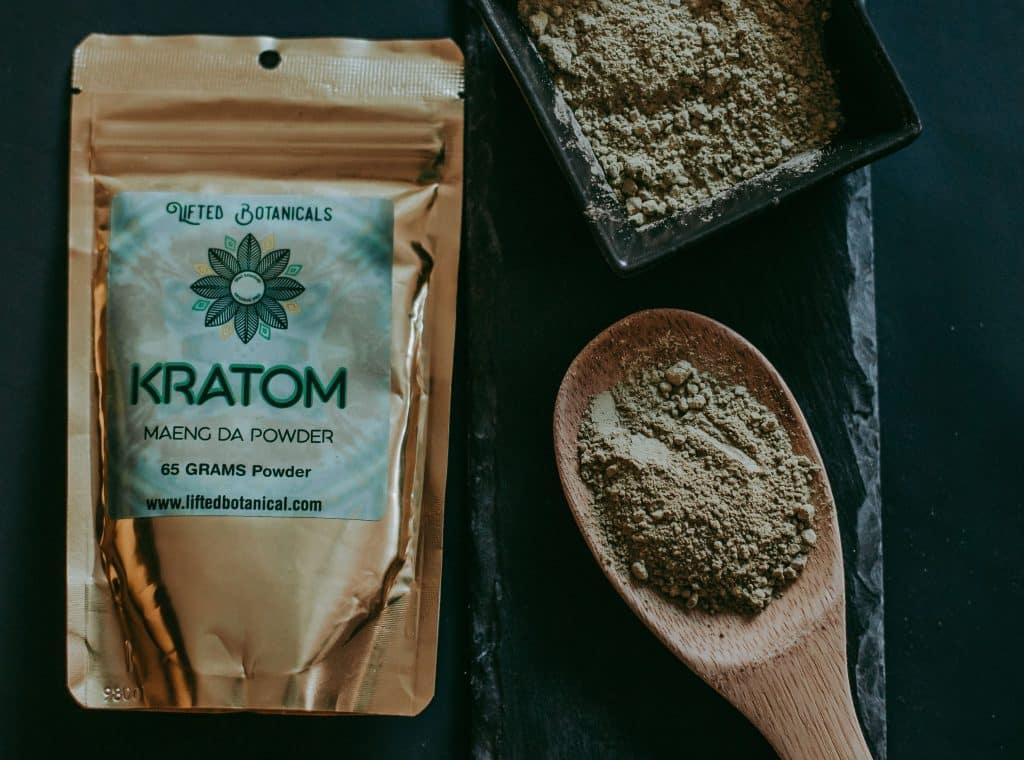
To Angela Wilson, 7-OH has been “truly life-changing.” The 44-year-old Delaware mom, who has no health insurance, told NPR she takes 32 to 40 milligrams of the substance each day to manage endometriosis pain and chronic depression. The potent, semi-synthetic opioid, found in small amounts in Kratom leaves, doesn’t produce side effects, unlike the kratom powders she tried for a while. It is also widely available at gas stations, smoke shops, liquor stores and online. Seeing no other options for such effective and accessible relief for her health concerns, Wilson hopes 7-OH remains available. But there is a high probability that it will soon become restricted as legislators and regulators learn more about the substance’s addictive nature.
David Epstein of the National Institute on Drug Abuse said that his ongoing research suggests the risk of addiction is higher with 7-OH than with whole-leaf kratom, and unclear labels leave users guessing at how much they are taking. Chris Holstege, a professor of emergency medicine at the University of Virginia, said that he has a growing list of patients struggling with addiction because of the substance. Moreover, poison control calls tied to kratom rose about 1,200% from 2015 to 2025, though the data do not separate kratom from 7-OH.
In response, the U.S. government has tried to restrict both kratom and 7-OH over the last decade, though strong opposition from users and powerful advocacy groups has kept the substances federally legal. That began to change in August, when the Drug Enforcement Administration placed three semi-synthetic opioids derived from 7-OH and other similar compounds in Schedule I of the Controlled Substances Act, the same category as heroin and LSD.
Tyler and Brian, both former opioid users who asked that only their first names be used due to the addiction stigma they’ve experienced, never thought that 7-OH would pose a problem. Tyler, 38, had used kratom powder to stay sober from opioids for a decade before trying 7-OH tablets in early 2025. At first, he said, the euphoria “felt like a kind of a miracle.” But within a year and a half, he was taking about 10 times the daily dose taken by Angela Wilson and needed the support of a rapid detox program to help him survive withdrawal and stop using the product. “It’s just too addictive and too accessible,” he said.
That same accessibility had prompted Brian, 41, to assume the substance was safe, saying “it looks like those 5-Hour Energy shot type things,” right next to the gas station register. But after six years of sobriety from opioids, he soon found himself spending $150 on the substance each day. “I was like, ‘What is this?'” Brian said. “‘Like, are you telling me I found a legal, you know, healthy opiate that f***s you up and, you know, you feel great and no consequences, like the legality of it and everything?’…It was game over.”
Yet the move to restrict the substance in August alarmed kratom advocates. The American Kratom Association sued the DEA, demanding that the agency ensure that natural kratom products with only trace amounts of MGPI, one of the newly restricted compounds, remain legal and accessible. In October, the U.S. Department of Health and Human Services issued a new recommendation, and the DEA changed course. Its revised plan targets only products with higher concentrations of 7-OH and MGPI, and leaves natural kratom alone.
The name “MindSite News” is used with the express permission of Mindsight Institute, an educational organization offering online learning and in-person workshops in the field of mental health and wellbeing. MindSite News and Mindsight Institute are separate, unaffiliated entities that are aligned in making science accessible and promoting mental health globally.


Author

Related Articles

Medicaid’s Lifeline for Foster Youth
In an essay for the Imprint, Timothy Evans argues for automatic, uninterrupted Medicaid coverage for foster youth, and for youth with lived experience to help shape the policies that affect them.

Mamdani Releases Plan to Close Rikers Island and Rebuild NYC Jails
On Friday, New York City Mayor Zohran Mamdani announced a plan to close the Rikers Island jail complex by the end of 2032.

The California Bridge Fairy Has Turned a Freeway Overpass Into a Joyful Place of Protest
For most of the past year, a woman in a blue tutu has danced on a Highway 24 overpass near Walnut Creek, California, waving pom-poms and anti-Trump banners.
