
Policing the Vulnerable: A Series
Policing the Vulnerable
A collaboration between MindSite News, Invisible Institute, South Side Weekly and the Medill Investigative Lab-Chicago examining the mental health landscape in Chicago.
Forced hospitalizations. Police using force on people in mental distress. Donald Trump bringing back institutionalization.
The mental health reform movement is under attack. In this package of stories, produced in collaboration with Invisible Institute, Medill Investigative Lab-Chicago and South Side Weekly, we take a deep look at some disturbing trends that are taking place across the country and focus in on events in Chicago, where the beleaguered administration of Mayor Brandon Johnson is struggling to continue an alternative crisis response program as the Trump administration threatens a federal invasion.
This package is built on extensive public records research, enabling our teams to document disturbing trends: Rising rates of police-initiated involuntary commitment on people in psychiatric distress (a legal euphemism for forcing a person to go to the hospital against their will). Continued use of force by Chicago police with people experiencing mental health crises, despite an ongoing legal agreement aimed at reducing force and increasing humane treatment.
Hope is present here, too – in efforts to provide alternative, humane care and in community demands to continue and expand Chicago’s CARE program. We invite you to read on – and to look for ways to become involved. The path to a more just and humane world depends on an informed and active public.
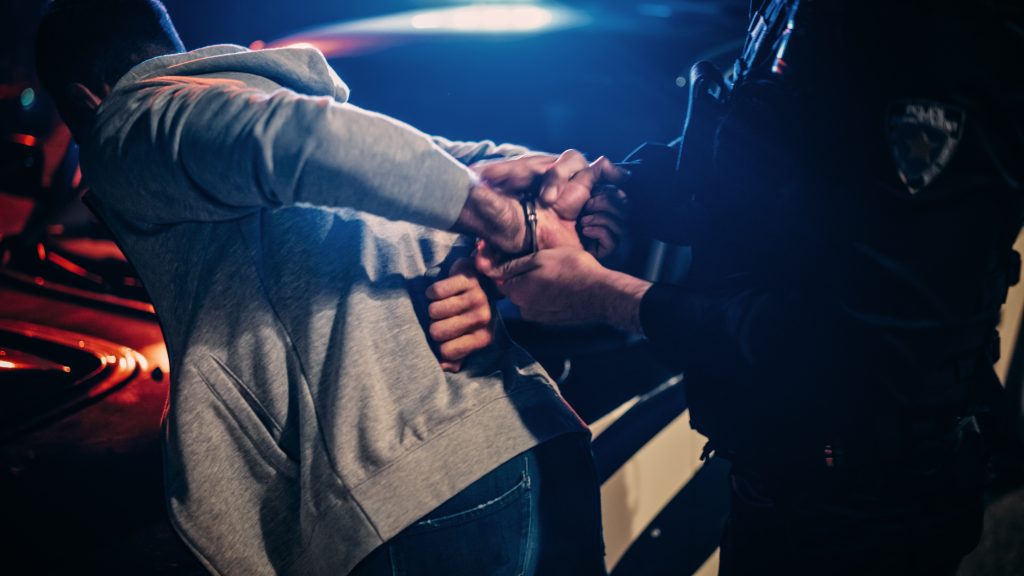
Introduction to Policing the Vulnerable
Coercive treatment of people with mental illness is becoming increasingly common. Read the introduction.
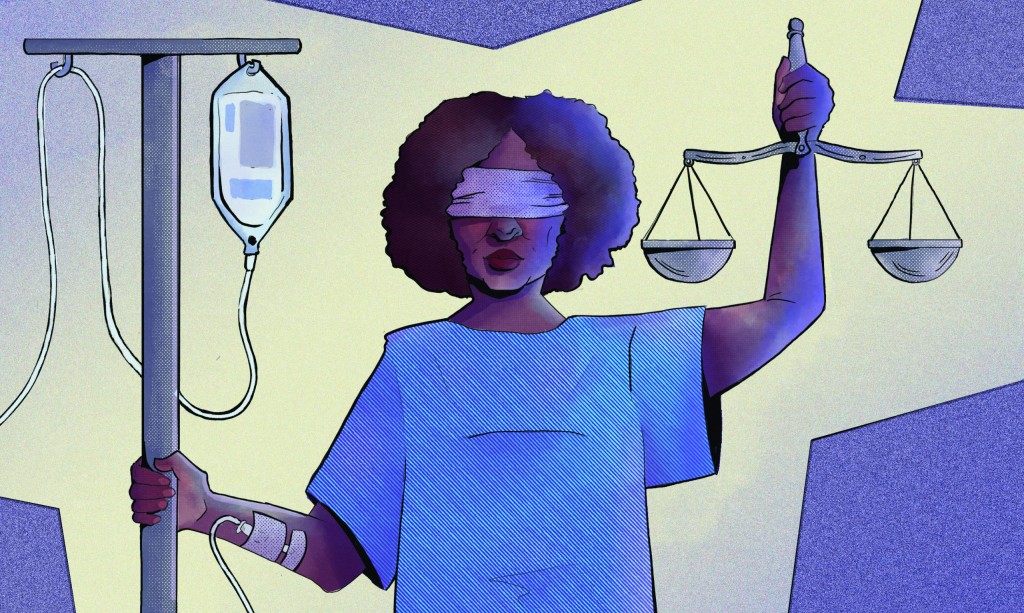
Shadow Arrests: When a Call for Help Turns Into Involuntary Commitment
Thousands in crisis are being involuntarily hospitalized despite little evidence of effectiveness. Read the story.
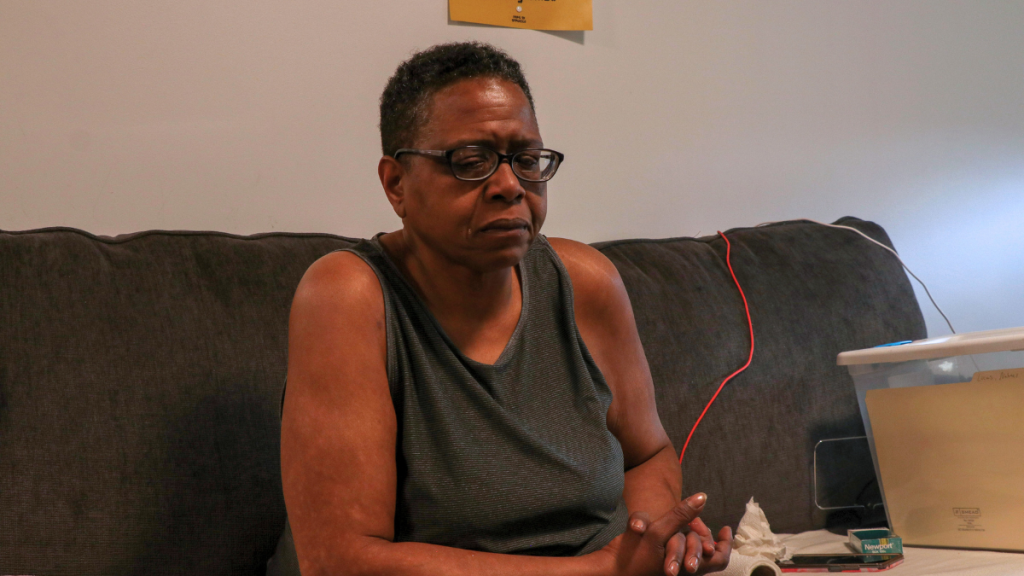
18 Seconds, 16 Shots: A Crisis Veers Into Tragedy
Chicago police are supposed to de-escalate mental health emergencies. This is what can happen when they don’t. Read the story.

‘We Can Walk the Journey With Them’: Another Way to Help Troubled Chicagoans in Crisis
A Chicago mental health provider is offering an alternative to police response by sending peer specialists to mental health crises. Read the story.
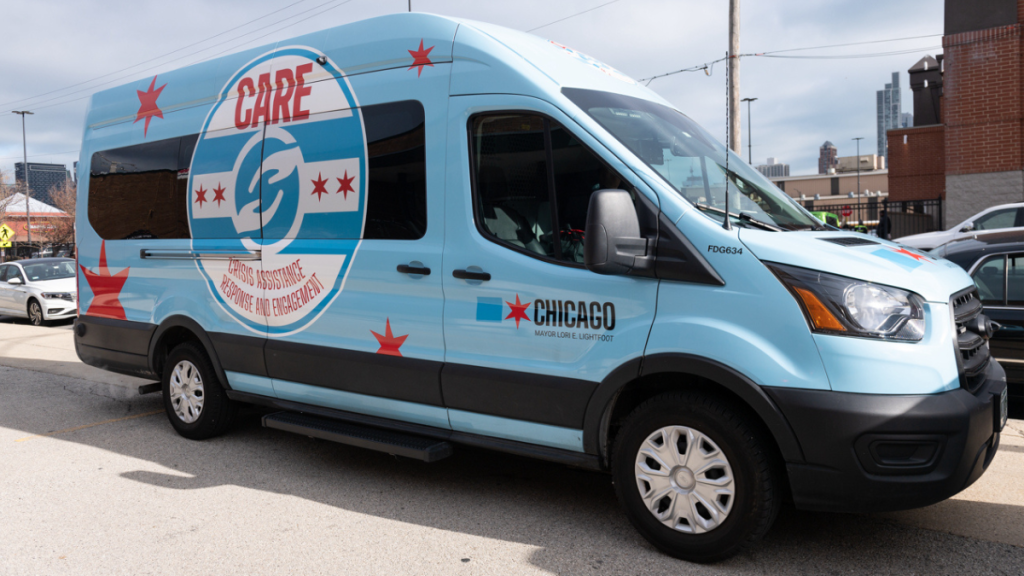
Crisis Response In Turmoil: Chicago’s CARE Program at a Tipping Point
Chicago’s mental health crisis teams were meant to replace police with clinicians. Bureaucratic dysfunction and fading federal support now threaten their survival. Read the story.
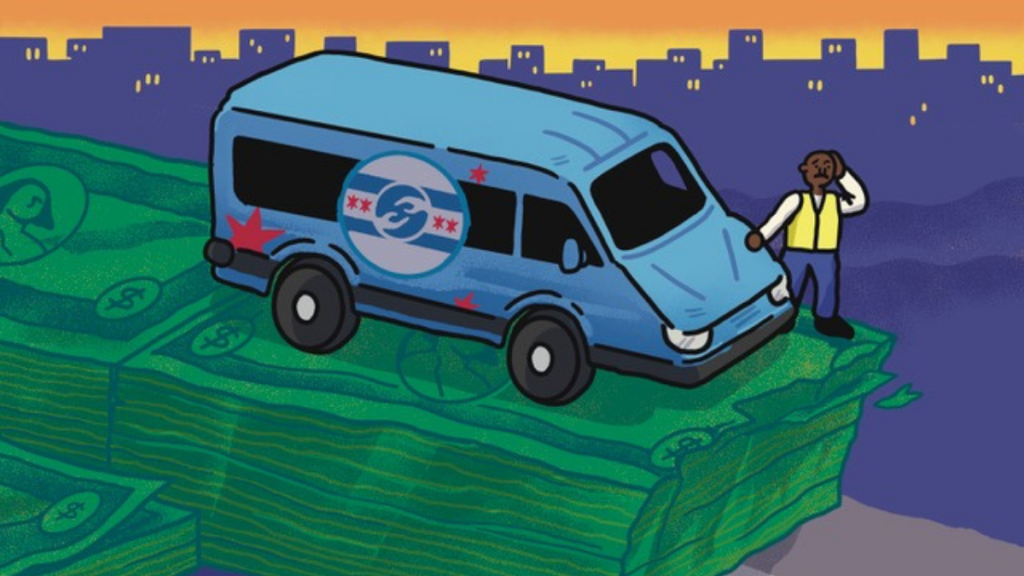
Expiring Federal Funds Threaten Chicago’s Alternative Crisis Response Effort
Chicago will need to dig deep to sustain and expand the CARE program, but state funds could offer hope. Read the story.

Despite Crisis Training for Mental Health Emergencies, Chicago Police Resort to Force
Last year, 169 police officers who received crisis training used force at least once during a mental health-related incident. Read the story.
In Pittsburgh, Involuntary Psych Hospitalizations Do More Harm Than Good
About 40% of involuntary commitments over a decade showed a trail of violence, overdose and suicide in Pittsburgh. Read the story.
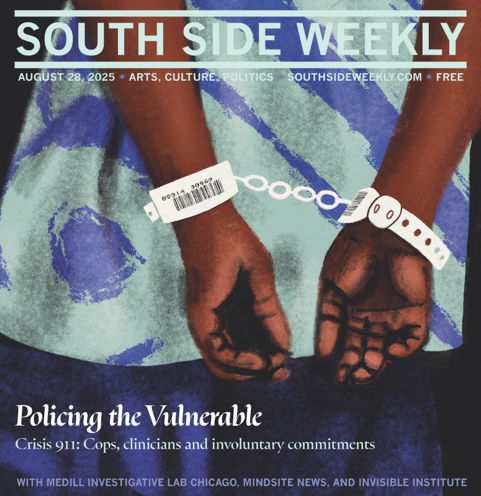
Policing the Vulnerable at South Side Weekly
The entire package of stories was published in print and on-line by South Side Weekly.
Project Writers and Contributors
Stories were produced by the Medill Investigative Lab-Chicago at Northwestern University. Medill students Janani Janarthanan, Rachel Heimann Mercader, Claire Murphy, Maggie Dougherty, Skye Garcia, Nicole Johnson, Rachel Yoon, Tyler Williamson, Jai Indra, Charlotte Ehrlich, Emma Sullivan, Margarita Williams, Sam Biggs, Hope Moses, Ashley Quincin, Jasmine Kim, Mariam Cosmos, Tom O’Connor, Sara Cooper, Sin Yi Au, Christiana Freitag, Mitra Nourbakhsh, Angeles Ponpa, Nora Rosenfeld, Britton Struthers, Arthi Venkatesh, and Sarah Xu contributed. The lab is led by Medill assistant professor Kari Lydersen; Medill assistant professor Matt Kiefer’s students led data analysis and visualization.
The story on involuntary commitments was produced by Invisible Institute and MindSite News. Josh McGhee of MindSite and Dana Brozost-Kelleher, Isabelle Senechal, and Sam Stecklow, of Invisible Institute reported the story, along with Medill externs Jenna Mayzouni, Allende Miglietta, and Stephana Ocneanu.
Project edited by Rob Waters, Josh McGhee, Kari Lydersen, Andrew Fan, Diana Hembree, and South Side Weekly editors.
Fact-checked by South Side Weekly’s Ellie Gilbert-Bair, Ella Beiser, Patrick Edwards, Christopher Good, Jinny Kim, and Lauren Shepherd.
The name “MindSite News” is used with the express permission of Mindsight Institute, an educational organization offering online learning and in-person workshops in the field of mental health and wellbeing. MindSite News and Mindsight Institute are separate, unaffiliated entities that are aligned in making science accessible and promoting mental health globally.
