Gaslighting and Mental Health in the Age of Trump
A look at the impact on our collective mental health of attacks on free speech and the rise of authoritarianism in the U.S.
In Georgia, when I was little, my beloved father used to draw cartoons for me. One day, when I was about 4, he drew a smiley cartoon dog that resembled Disney’s Goofy and asked me what it was. I told him it was a dog. “No, honey, it’s a cat,” he said. I examined it again – long, droopy ears, a long, pointed snout… “No, daddy, it’s a dog!” I protested, laughing. Again, he insisted it was a cat. We went back and forth a few more times, and I felt confused: For some reason, I wasn’t sure why, it seemed my father really needed me to agree with him. “Ok daddy, it is a cat,” I said reassuringly. My father smiled and patted my hand. “No, honey, it’s a dog; you were right from the beginning. And just remember: You can trust yourself and your good mind and what you see in front of you. So don’t ever let anybody, even your dear old dad, tell you a dog is a cat.”
My father had been shipped out to fight the Nazis at just 16, and what he was trying to inoculate me against, early on, was gaslighting. Since the murder of Charlie Kirk, I’ve been thinking about that lesson. I oppose killing in all circumstances, including capital punishment, and I’m sorry for the family he left behind. But elevating this man – who espoused white supremacist views and made hateful remarks about Black Americans (especially Black women), gay and trans people, immigrants, Martin Luther King, and the Civil Rights Act of 1964 – to hero status is dead wrong, as theologian and Episcopal priest Matthew Fox argues.
Let’s pause for a moment to consider the reality of Charlie Kirk’s opposition to the 1964 bill that overturned segregation.
My parents grew up in the south in the time of segregation, and they hated it.
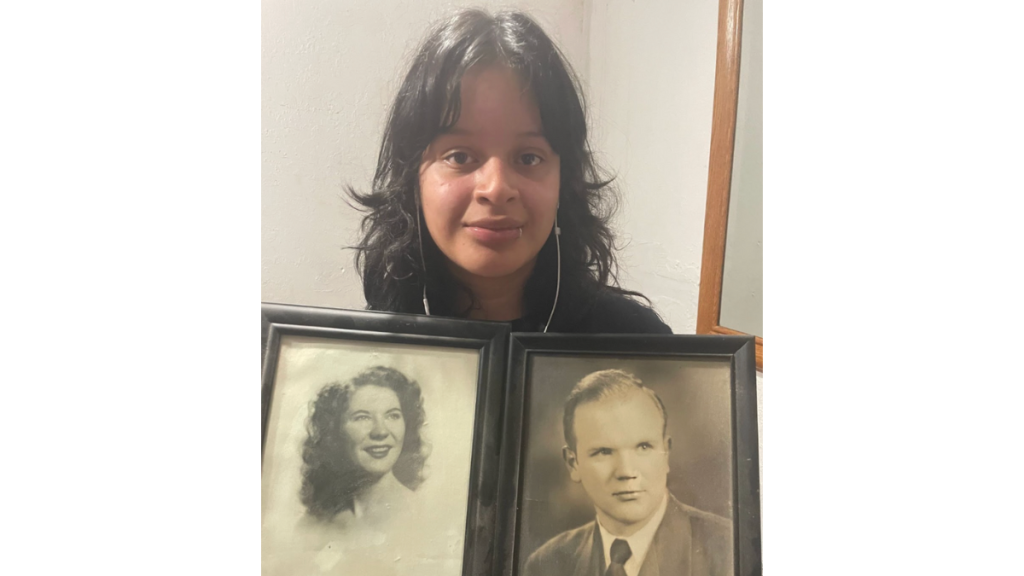
As my mother lay dying, she told me about something that happened when she was a child, and every time she talked about it she would cry. She had grown up on a little farm outside Ashland, Alabama, a tiny postage-stamp of a town, and when she was 6, she and a friend went to get an ice cream cone. The two little girls walked into the store holding hands, swinging their arms back and forth in gleeful anticipation. But when they asked for ice cream, the store owner glared at them and refused to budge.
“It was so awful,” my mother said through tears. “He said he would serve me, but not my friend.” My mother was white; her friend was black. “He said I don’t serve – my mother paused – “well, you know what he said; I can’t bear to repeat it. Oh, her face, her face when he said that. I can never forget it.”
Her father, a Baptist preacher, walked in and saw the girls crying. “Why are you doing this to the children?” he asked the shopkeeper, entreating him to change his mind. “Well, Reverend, I’m sorry but I just can’t do that.” Finally, my grandfather asked the girls to wait outside while he got two cones, and brought them out for the girls to eat. The ice cream tasted like dust, like ashes.
Now let’s travel forward from Alabama’s segregated past to our country in 2025, which I’m thankful my parents did not live to see. Anger and hatred, founded on disinformation and dishonesty, is flourishing once again. As Jennifer Fraiser, author of The Bullied Brain, writes in Psychology Today online, “Gaslighting is designed to destabilize people by making them doubt their own sensations and perceptions.” Trying to turn white supremacist Charlie Kirk into an icon does exactly that, as author and political commentator Jared Yates Sexton notes:
“Something that is becoming abundantly clear with every passing day is that we are, as a nation and as a culture, suffering a collective mental breakdown,” Sexton writes in his newsletter, Dispatches from a Collapsing State.
“Kirk’s death should not have happened, but neither should all this brutality and all this madness. The shootings. The brutality and oppression carried out by the growing secret police. This reign of a mad king… But what has been clear, with the fury and insane reactions to [Kirk’s killing], is that this state of insanity is crazymaking at best and volatile, ready-to-explode, at worst.”
Mental health can't wait.
America is in a mental health crisis — but too often, the media overlooks this urgent issue. MindSite News is different. We’re the only national newsroom dedicated exclusively to mental health journalism, exposing systemic failures and spotlighting lifesaving solutions. And as a nonprofit, we depend on reader support to stay independent and focused on the truth.

It takes less than one minute to make a difference. No amount is too small.
The name “MindSite News” is used with the express permission of Mindsight Institute, an educational organization offering online learning and in-person workshops in the field of mental health and wellbeing. MindSite News and Mindsight Institute are separate, unaffiliated entities that are aligned in making science accessible and promoting mental health globally.


Author

Related Articles

Trump freezes $10 billion in childcare aid to 5 Democratically-led states, baselessly claiming “widespread fraud”
A $10 billion federal child care funding freeze targets California, Colorado, Illinois, Minnesota, and New York.

Seeing Guilt for What It Is: Motivation to Change
Psychology professor Chris Moore explores the difference between guilt and shame, revealing how healthy guilt can motivate healing, repair relationships, and drive restorative justice.
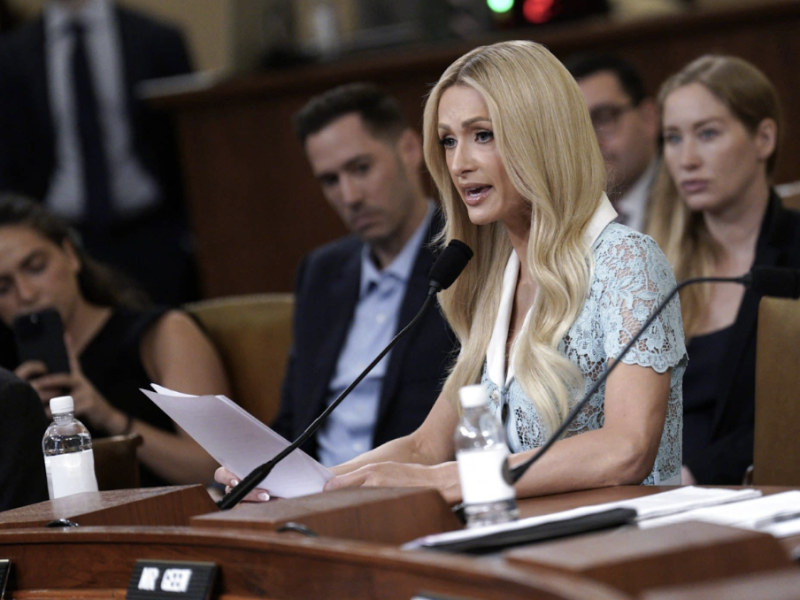
New Senate Bill Targets ‘Troubled Teen’ Industry and Residential Treatment Abuse
Senator Ron Wyden introduced the BRIDGES for Kids Act to increase oversight of residential treatment centers and create a national dashboard to track abuse.
