
Malala Yousafzai Reflects on Maturing from Young Idealist into Optimistic Realist
In her second memoir, Finding My Way, out on October 21, Malala Youdafzai recounts her whirlwind late teens and early twenties.
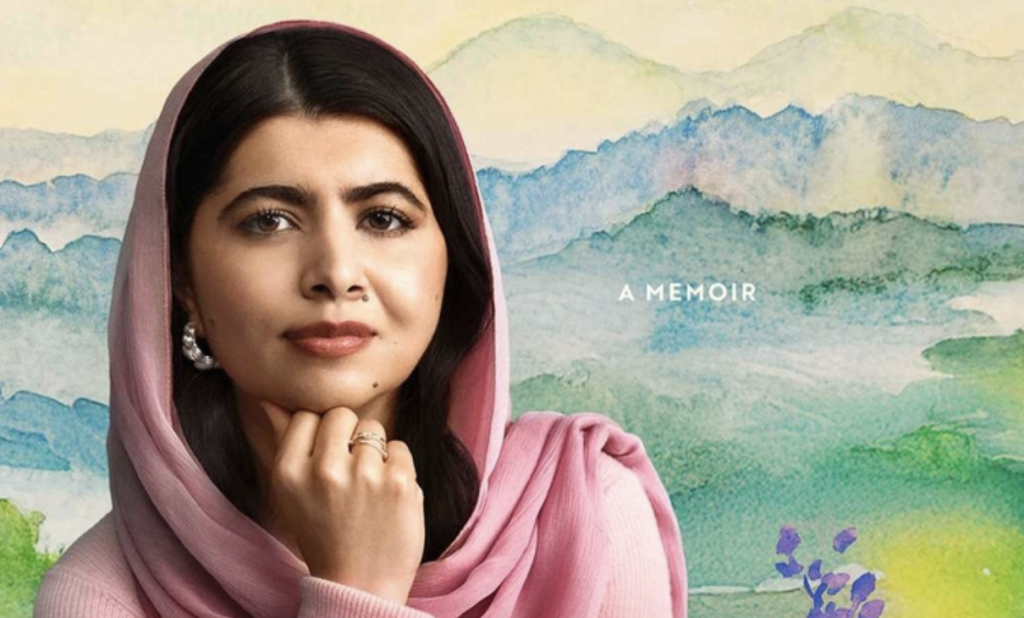
It’s been more than a decade since Malala Yousafzai, then 15, survived a bullet in the head from the Taliban. She was on a school bus, and was targeted for defending the right of girls like her to be educated. After recovering from the assasination attempt, she made the brave decision to continue her activism. Now 28, she’s still fighting that fight, though admittedly feeling less idealistic about it. In her second memoir, Finding My Way, out on October 21, she recounts her whirlwind late teens and early twenties, and she talked to Sirin Kale for The Guardian about how her worldview has shifted. In adolescence, she believed that speaking truth to power was enough to make the world listen. But “as I was getting older,” she said, “I was realizing that things are not as straightforward. Things are more complex.”
Still quite young, Yousafzai has deftly navigated the pressures of coming of age, including marriage, under a world of microscopes; fighting for girls’ global education while satisfying weighty cultural expectations and financially supporting her parents, siblings, and their extended family in Pakistan. The Guardian notes that Yousafzai was at one point also covering college tuition costs for two family friends, one in the US and the other in Canada.
The understanding she has come to is one she grew through pain. For years, Yousafzai’s memory of her attack had been repressed, but one night indulging in cannabis with friends, something familiar to many an undergraduate, unlocked the attack in all its horror – the gunfire, the blood, the chaos. “I felt like I was reliving all of it,” she says. It made the days that followed hard to endure. Yousafzai told her parents some of what had happened, but says they responded a bit dismissively. It was hard getting them to understand that she – the world’s youngest Nobel laureate, who’d bounced right back into activism shortly after being shot, was, after smoking a bong, falling apart from anxiety.
She began to struggle with a litany of symptoms: panic attacks, difficulty breathing and sleeping, brain fog, and a constant fear of a loved one dying. To friends, she lied about being fine, but couldn’t just ignore her deteriorating mental health. Therapy helped her understand what was behind how she felt.
“I survived an attack,” Yousafzai says, “and nothing happened to me, and I laughed it off. I thought nothing could scare me, nothing. My heart was so strong. And then I was scared of small things, and that just broke me. But, you know, in this journey I realized what it means to be actually brave. When you can not only fight the real threats out there, but fight within.”
In her teens, Yousafzai met world leaders from all across the globe, only for them to stop taking her calls just as the Taliban returned to power in Afghanistan. “I feel the world has forgotten about the women in Afghanistan,” Yousafzai says, which is the only nation where girls cannot attend high school or college.
Madrasas, or schools teaching about Islam, remain their only option, and the madrasas available all teach the Taliban’s extreme interpretation of the faith. “For years, I’d smiled in pictures with these leaders, shaken their hands and stood next to them at podiums – but not one of them picked up the phone, or replied to my messages. To the men who ran the world, I was just a photo op,” she says. Leading women were different. Hillary Clinton and Norway’s Erna Solberg stepped up, among others, Yousafzai says. In some ways, she’s grown more cynical, but she continues to move forward: “I do my work. I know that optimism is the only way you can keep going, because there’s no other option.”
Yousafazai’s work and personal life have been defined by her consideration for others – she says she does “sort of overthink about other people’s feelings sometimes” – but now she’s learning how to better set boundaries. “I’m working so hard to learn how to say no,” she says, “and to be more direct.”Once Yousafzai’s memoir hits shelves, it’s expected to hit bestseller lists – and also earn her lots of criticism back home in Pakistan. But she’s “not going to get defensive. If anybody has any confusion, they can read my book and decide for themselves.”
The name “MindSite News” is used with the express permission of Mindsight Institute, an educational organization offering online learning and in-person workshops in the field of mental health and wellbeing. MindSite News and Mindsight Institute are separate, unaffiliated entities that are aligned in making science accessible and promoting mental health globally.

Author

Related Articles

Does Contemporary “McMindfulness” Reinforce Our Suffering?
A Buddhist teacher and professor argues that a commodified mindfulness solely focused on the self is only a stopgap fix.
“No Beds”: Despite Improvements, Detroit’s Shelter System Continues to Let Families Down
When a Detroit mom and her two sons faced homelessness last year, she spent months calling the city daily for beds – in vain.

988 call responses plummet in Georgia after insurer cutbacks
After an insurance company made cutbacks, Georgia’s 988 response rate to mental health crisis calls “fell off a cliff.”
